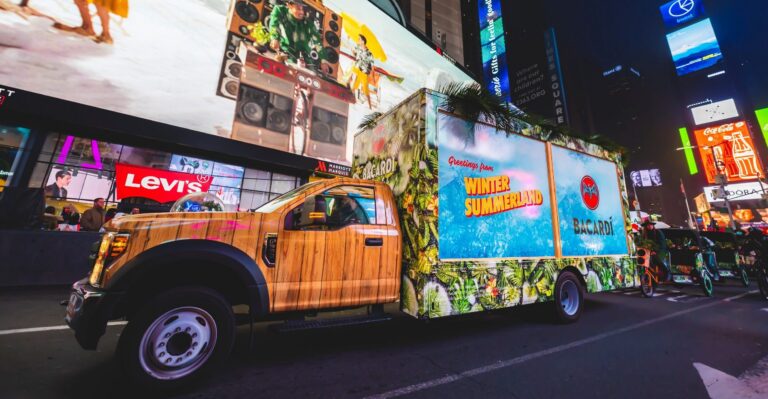
A mobile marketing tour brings your brand directly to customers, using a food truck, tuk tuk, or other branded vehicle to deliver products, samples, and experiences across multiple locations rather than waiting for people to find you. It is one of the most dynamic ways to engage an audience, build awareness, and drive sales, but the difference between a tour that turns heads and one that falls flat comes down to planning.
This guide is the planning playbook. It covers what a mobile marketing tour is, a quick look at why it works and which vehicles fit, and then the five steps to plan and execute one that actually delivers, from setting goals to tracking results. If you want the deeper case for tours or a full vehicle breakdown, we link those along the way.
Key Takeaways
- Planning makes the tour: A mobile marketing tour succeeds on preparation: clear goals, the right vehicle, smart locations, and a way to measure it all.
- Start with a measurable goal: Awareness, trial, sign-ups, or sales: naming the one outcome that matters shapes every other decision.
- Match the vehicle to the product: Food for a truck, urban buzz for a tuk tuk, retail for a pop-up van: the vehicle should fit the goal and the product.
- Location strategy is everything: Targeting high-foot-traffic spots where your audience already gathers is what turns a parked vehicle into a crowd.
- Measure every stop: Build in hashtags, QR codes, and foot-traffic counts so each activation becomes data you can act on.
What Is a Mobile Marketing Tour?
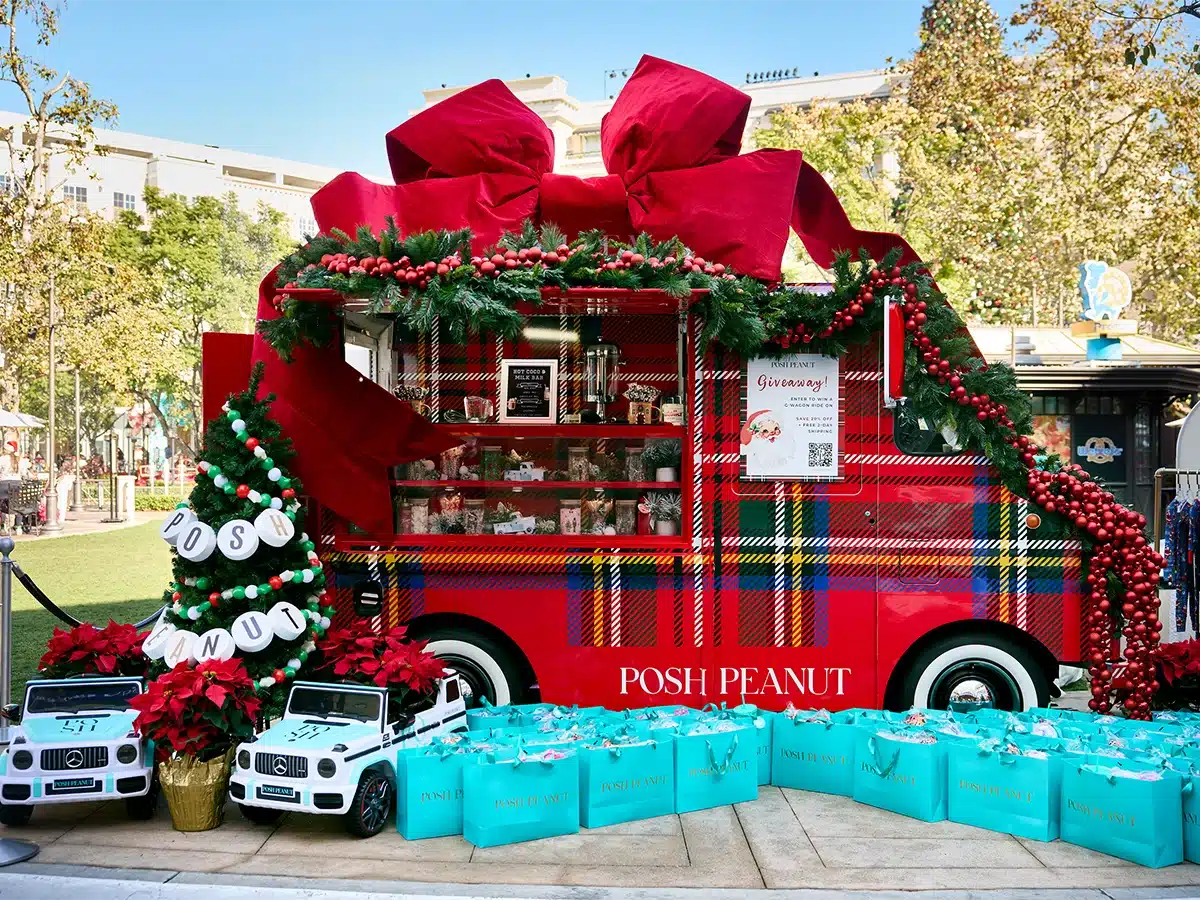
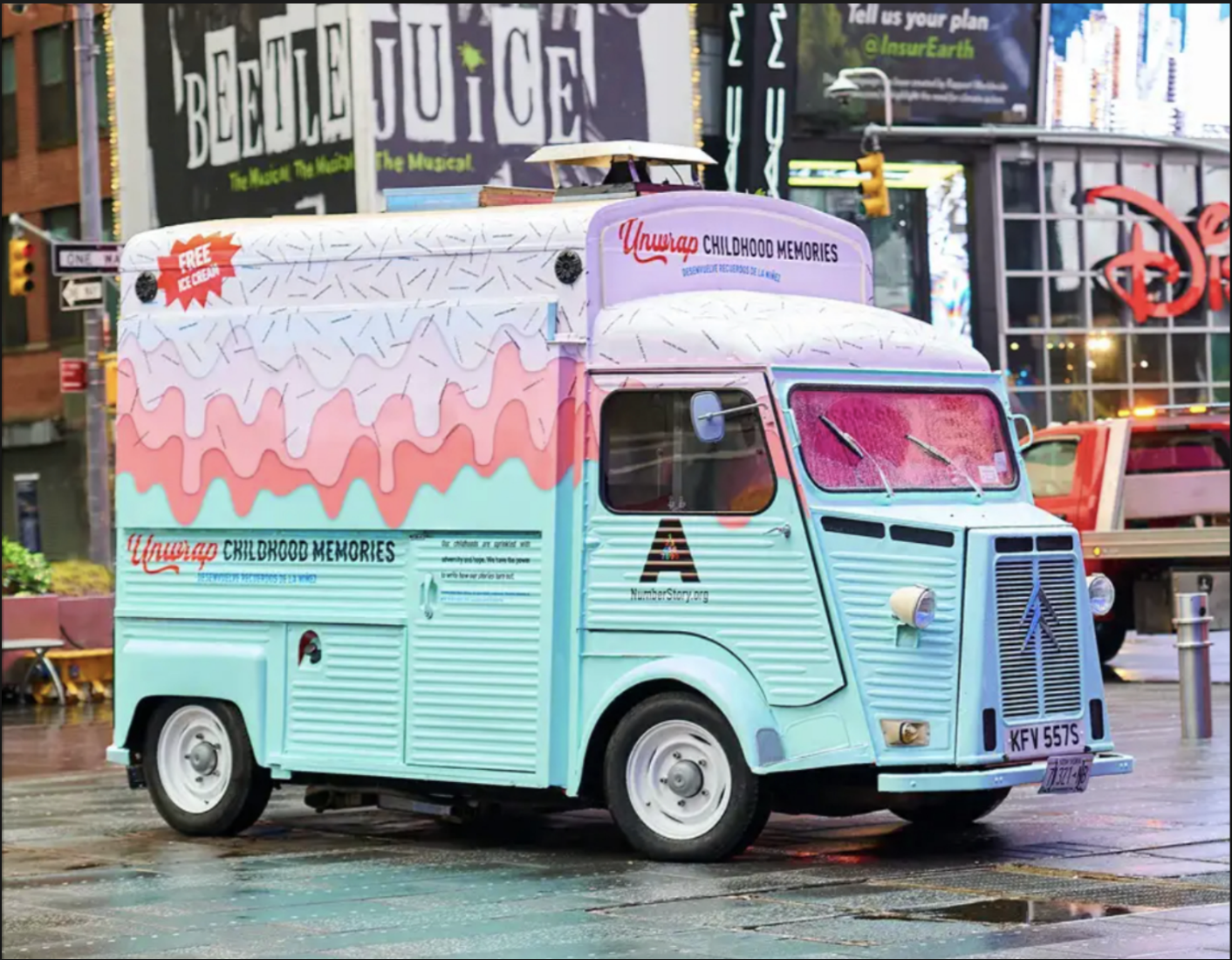
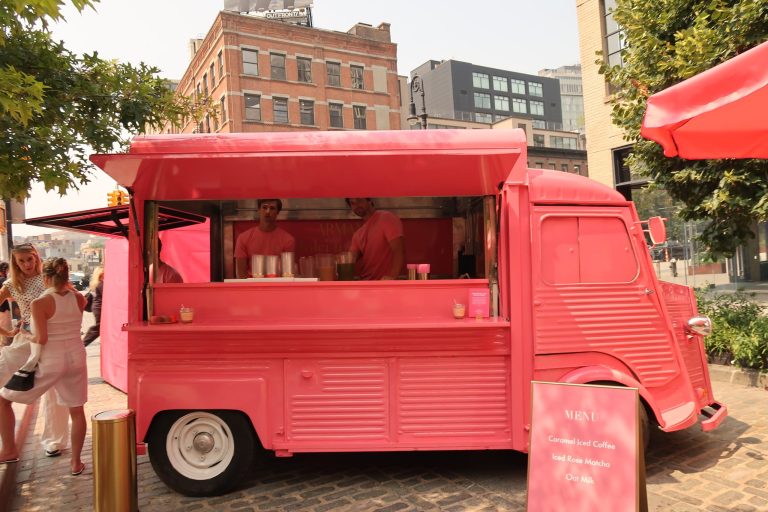
A mobile marketing tour is a campaign built around a custom-branded vehicle that travels to your audience across multiple locations, delivering a hands-on brand experience at each stop. Whether the vehicle is a food truck handing out samples, a tuk tuk drawing a crowd downtown, or a pop-up van running a mini retail experience, the tour meets customers where they already are and creates a live, multi-sensory moment that a static ad cannot.
The face-to-face element is what makes it powerful. In-person interactions build trust that digital channels struggle to match: 95% of attendees say they trust a brand more after an in-person event, according to the 2025 Freeman Trust Report. The rest of this guide is about planning a tour that earns that trust at every stop.
Why Mobile Marketing Tours Work
Before the planning steps, it helps to know why the format works so well. A mobile marketing tour engages all the senses, the taste of a fresh sample, the sound of music, the smell of a new product, which resonates far more deeply than a flat billboard or banner. It stands out visually as a moving billboard, invites hands-on interaction, reaches multiple locations and demographics, and creates naturally shareable moments that extend the campaign online. It is also cost-effective compared with a permanent brick-and-mortar space.
For the full case, including real results, see our breakdown of why mobile tours are a game-changer and the broader benefits of experiential marketing. With the why established, here is how to plan one.
Choosing the Right Vehicle for Your Tour
The vehicle you choose shapes the entire experience, so match it to your brand, audience, and goal. Three of the most popular options cover most tours:
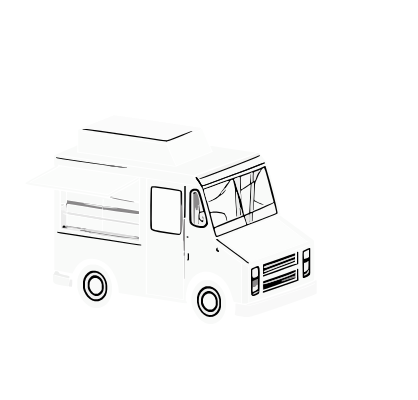
- Food trucks: The ultimate engagement tool for food, beverage, and snack brands, letting customers taste a product firsthand for instant feedback and loyalty.
- Tuk tuks: Small, nimble, and visually unique, perfect for urban activations, brand-awareness campaigns, and social-friendly sampling in crowded areas.
- Pop-up vans and trailers: Retail on wheels for fashion, beauty, and tech brands, turning any location into a temporary storefront with displays and product demos.
That is the short list. For the full fleet and a framework to match a vehicle to your goal, see our guide to experiential marketing vehicles or browse the branded food trucks and tuk tuks pages.
How to Plan a Mobile Marketing Tour in 5 Steps
Here’s a step by step guide on how to plan your own mobile marketing tour.
Step 1: Define Your Goals
Before anything else, set clear, measurable objectives, because they shape every later decision. Ask what the primary goal is: awareness, sales, a product launch, or deeper engagement. Define the target audience by demographics, interests, and buying behavior, whether that is young professionals, families, food lovers, or tech enthusiasts. And identify the locations that will maximize exposure to that audience. Well-defined goals let you optimize your budget, sharpen your messaging, and measure success against a real benchmark.
Step 2: Choose the Right Vehicle and Setup
The vehicle shapes the customer experience, so match it to your product and goal. A food truck is ideal for food, beverage, or snack brands that want customers to taste a product firsthand. A tuk tuk suits urban environments, crowded streets, and social-friendly giveaways. A pop-up van or trailer works for fashion, beauty, and tech brands taking a retail experience on the road. Then design the setup, branded interior, interactive displays, sampling stations, so the vehicle does not just show up, it invites people in.
Step 3: Leverage Social Media and Influencers
A tour is not only about in-person engagement, it should amplify online too. Encourage visitors to share using a branded campaign hashtag, which fuels organic, user-generated content. Partner with local influencers who can promote each stop to their followers, adding reach and credibility. And stream activations live on Instagram, TikTok, or Facebook to engage audiences beyond the immediate location and build anticipation for the next stop. Done well, social turns local engagement into far wider awareness.
Step 4: Target High-Foot-Traffic Locations
A tour’s success depends heavily on location strategy, so set up where your audience naturally gathers. Festivals and events offer built-in crowds and maximum exposure. Shopping districts deliver heavy, steady foot traffic. Concert venues and sports arenas bring excited, engaged audiences primed to interact. College campuses are ideal for younger-skewing brands, and tourist hotspots reach large, diverse crowds. Strategic placement makes sure the tour is not just seen, but experienced by the right audience at the right time.
Step 5: Track Performance and Gather Feedback
Once the tour is live, measure results so you can prove impact and improve. Monitor social engagement by tracking campaign hashtags, shares, and mentions. Assess interactions and conversions by collecting data on how many people engaged, sampled, or purchased at each stop. Estimate brand impressions from foot-traffic counts. And gather direct consumer feedback through quick surveys or on-site conversations. That data closes the loop, turning each activation into a sharper, better-targeted next one.
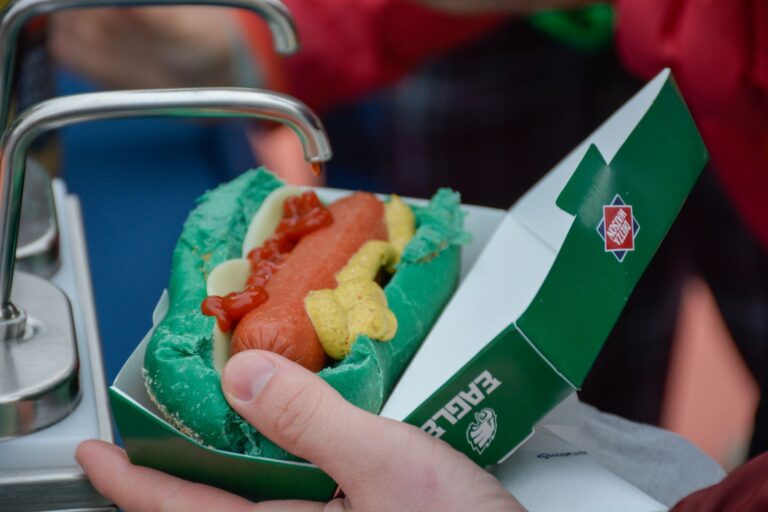
Case Study: Dietz & Watson’s Bird Dog Truck Tour