Newbury Street
Eight blocks of boutiques with foot traffic walking the whole length. Close to ideal for a mobile storefront, and a hot drink here reads as a gift in December.
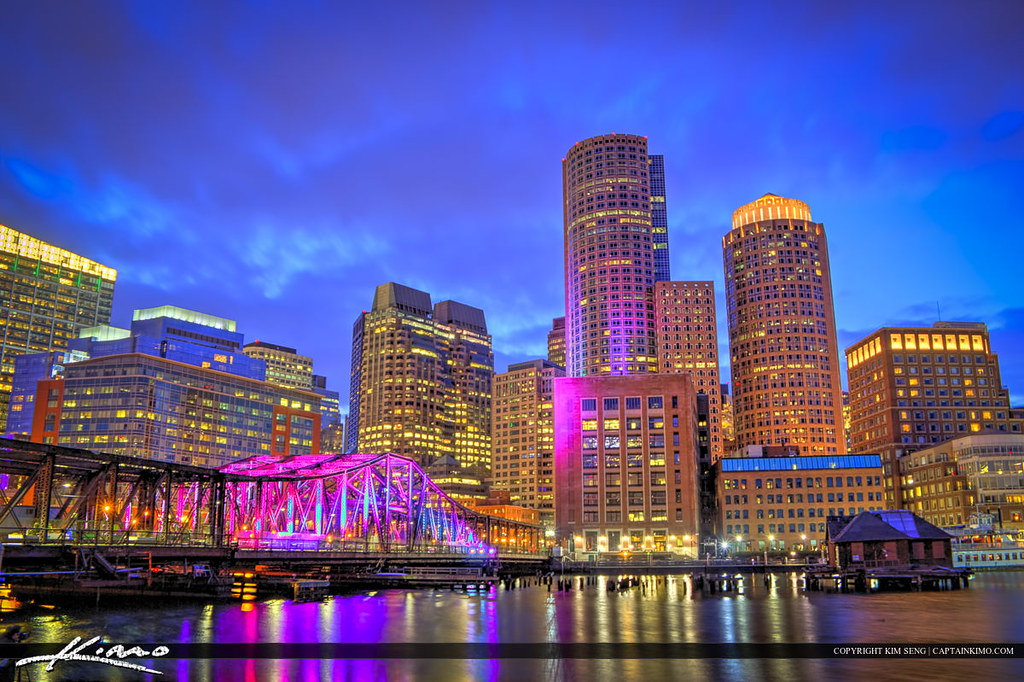
Boston rewards brands willing to work at street level. The city is compact in a way that helps you: Newbury Street’s boutique blocks, the Seaport’s newer flagships, Harvard Square across the river, Faneuil Hall’s tourist volume, and Downtown Crossing’s weekday crowd all sit within a short drive of each other, so one build can work several distinct audiences in a single week.
Food Truck Promotions is an experiential marketing agency running mobile pop-up brand activations in Boston. We took a branded cart through the northeast for Schmooze, stopping at MIT, Northeastern, Harvard, and Boston University to sign up students on the spot, and we run campus activations here for brands reaching the same audience during term.
The streets are the constraint. Back Bay, Beacon Hill, and the North End are narrow, often one-way, and unforgiving of a full-size truck, which is why carts and compact vehicles do most of the work here. The calendar runs hard from April through October, opening with the Marathon and closing with Head of the Charles, and student move-in in late August is its own season. We own the fleet, pull the permits, and staff the day.
Eight blocks of boutiques with foot traffic walking the whole length. Close to ideal for a mobile storefront, and a hot drink here reads as a gift in December.
The newer flagships and direct-to-consumer stores, with the wide roads and real space the rest of the city lacks.
Students, faculty, and a crowd that is on foot by default. The anchor of any campus route.
MIT, BU, and Northeastern within a few miles of each other. Move-in in late August and early September is the best window to reach this city’s largest audience.
Tourist volume and holiday shoppers on the same few blocks, with the Boston Common tree lighting nearby in December.
The weekday office crowd at lunch. Reliable Monday to Friday.
Eighty-one home dates of concentrated foot traffic before the concerts, and Boston Calling in May.

The Boston format. Narrow, one-way streets in Back Bay and Beacon Hill take a cart where a truck cannot go. Schmooze toured on one.

Compact, quick to place, and quick to move between campuses and Newbury Street in a day.

The compact truck for streets that reject a full-size one, with room for a hot-drink program in winter.

For the Seaport, where the roads are wide, and for a pop-up cafe that needs cover from harbor wind.
Boston asks for the smaller end of the fleet, and the Seaport is the exception. See the full fleet on the experiential vehicles page.
We run campus activations across one of the densest college markets in the world, and Boston is where that service earns its keep. Harvard, MIT, Boston University, and Northeastern sit within a few miles of each other, which means one build can work four schools in a week. We took a branded cart through the northeast for Schmooze, a dating app matching people by sense of humor, stopping at MIT, Northeastern, Harvard, and Boston University to explain the app and sign up users on the spot. Campus approval, a sponsoring department, and tight load-in windows all run on the academic calendar rather than the city’s.
We build your brand into Boston’s event calendar and handle the production around it, so you arrive to a crowd that has already gathered. The Boston Marathon in April is the anchor, and it is a wellness and hydration brand’s best day of the year in this city. Head of the Charles in October lines both banks of the river, Boston Calling takes over Allston in May, and Fenway delivers 81 home dates of concentrated foot traffic before you count the concerts.
We match the vehicle to the market, and Boston asks for the smaller end of the fleet. The streets in Back Bay, Beacon Hill, and the North End are narrow and often one-way, so carts, tuk tuks, and compact builds place where a full food truck cannot. The Seaport is the exception, with wide roads and real space. Winter is the other constraint: from December through March we build for cold, which usually means hot product and a setup that works in wind off the harbor.
We run seasonal activations here on a calendar that actually cooperates, because Boston does cold weather properly. A hot cocoa or cider pop-up on Newbury Street reads as a gift rather than an interruption in December. Faneuil Hall and Quincy Market draw holiday shoppers and tourists to the same few blocks, the Seaport hosts its own seasonal programming, and the tree lighting on Boston Common pulls a crowd that is already in the mood to stop.
We turn a vehicle into your storefront, and Boston’s retail is unusually concentrated. Newbury Street is eight blocks of boutiques with foot traffic walking the whole length, which is close to ideal for a mobile storefront. The Seaport holds the newer flagship and direct-to-consumer stores, Harvard Square and Assembly Row pull their own distinct crowds, and Downtown Crossing catches the weekday office traffic.
We build and run pop-up cafes, and few cities take coffee as seriously as this one. A branded cafe works year-round here because Boston walks in weather other cities hide from, and a hot drink is the most welcome thing you can hand someone in February. Newbury Street, the Seaport, and the campus corridors all support it, and the format needs little local sourcing, which keeps it consistent.
Boston runs on two calendars. City permits for public streets and plazas follow the city’s process, and private property in the Seaport or outside a Newbury Street retailer runs on an owner agreement. Campus activations are different again: campus approval, a sponsoring department, and tight load-in windows all follow the academic calendar rather than the city’s.
The streets decide the vehicle before the permit does. A corner in Back Bay that is approved on paper may still be too narrow or too one-way for a full-size truck, which is why we scout every Boston location and match the vehicle to the street. Carts, tuk tuks, and compact builds do most of the work.
Lead time in Boston runs six to eight weeks for a single activation with a wrap on an existing vehicle, longer for a custom interior or a multi-campus route. The Marathon in April, student move-in in late August, Head of the Charles in October, and the December blocks on Newbury book out earliest. From December through March we build for cold, which usually means hot product and a setup that works in wind off the harbor.
ACTIVATION TIMELINE PLANNER
Permits are the long pole. Count back from your launch date and see if it still works.
Six to eight weeks for a single activation with a wrap on an existing vehicle, more for a custom interior or a multi-campus route. The Marathon in April, student move-in in late August and early September, and Head of the Charles in October book out earliest, so brief those at least three months ahead.
Yes. We pull city permits for public streets and plazas, arrange owner agreements for private property in the Seaport or outside a retailer, and manage campus approvals, which run on the academic calendar and need a sponsoring department. We settle which route fits the location before the build begins.
Newbury Street for a mobile storefront with foot traffic walking all eight blocks, the Seaport for the newer flagships and the only wide roads downtown, Harvard Square for students on foot, Faneuil Hall for tourists and holiday shoppers, and Downtown Crossing for the weekday office crowd.
Yes. Harvard, MIT, Boston University, and Northeastern sit within a few miles of each other, so one build can work four schools in a week. Schmooze toured all four on a single branded cart, explaining the app and signing up students on the spot. Move-in week is the strongest window.
Less than you would expect. Boston walks in weather other cities hide from, and a hot drink is the most welcome thing you can hand someone in February, which is why pop-up cafes work here year round. From December through March we build for cold and harbor wind, with hot product and cover.
Our campaigns start at $50,000. The vehicle format, whether the build is a wrap or a custom interior, the number of days and locations, and staffing move the figure from there. A single-campus cart activation sits at the lower end, a multi-week Seaport build at the upper end.