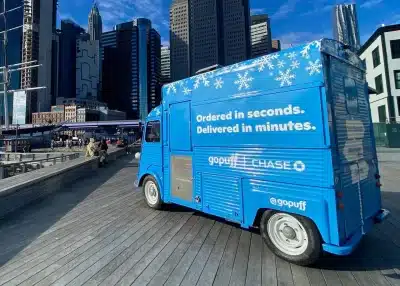
Bring on the Cozy! 5 Custom Food Trucks for Promotional Winter Fun
Winter might bring chilly air and shorter days, but for brands, it also brings one of the best opportunities of the year to connect with
You want to reach more customers who will buy into your brand’s message. But how do you break through the noise and capture a slice of the market? A strong brand activation is one of the best ways to do it. There are a few ironclad rules to getting it right, though, so before you hit the ground running, let’s look at the top four rules that will help you build an effective brand activation campaign, along with the types, the metrics, and the mistakes to avoid.
A brand activation is a campaign or event that makes a brand known to customers by driving awareness and engagement through a live, hands-on experience. Unlike general branding, which runs continuously, a brand activation centers on a single moment or campaign designed to bring the brand to life, win new audiences, and reshape how existing customers see you. The best brand activations know exactly who their customers are, what they want, and how to match their tastes.
Brand activations are not just for new brands and startups. Every business should evolve to meet changing times and customer behaviors. They matter because they bring a brand to life in a way an ad cannot. According to Event Marketer’s EventTrack research, the large majority of customers feel more inclined to buy from a brand after attending one of its events.
Brand activations also suit where attention has gone. Most brands are fighting for the same eyeballs in a crowded digital space, and customers have grown tired of being shouted at by ads. A live, in-person experience cuts through that fatigue, and when it is photogenic and worth sharing, it earns organic online attention too. Instead of trying to be the loudest brand on the internet, a well-built activation creates a real-world moment that travels back into the feed on its own.
There are many types of brand activations at your disposal. A few of the most common:
Variety is good, but the right choice comes down to your goal, your audience, and your budget.
Building a campaign means more than throwing it together with a lot of bells and whistles. It takes sticking to the three features that set brands apart from competitors:
Brand activations build loyalty, but the catch is knowing whether your campaign struck a real emotional chord. That comes down to tracking the right metrics:
Decide which of these matter most for your goal before you launch, and build in a way to capture them, like QR scans, sign-ups, hashtags, and on-site surveys.
We keep coming back to customer perception, because it can make or break your activation. A brand activation should feel like an extension of your brand. The one thing it should never feel like is a publicity stunt.
Customers are savvy and can tell when they are being pandered to. Respect them and they will respect you, so always plan the activation with them in mind. It should be engaging and exciting, but never off-message or off-brand.
That is where feedback comes in. Engagement is a two-way street. As much as you want customers to understand you, you need to understand them. Surveying your audience during and after the event gives you a clear read on whether the activation achieved its goal.
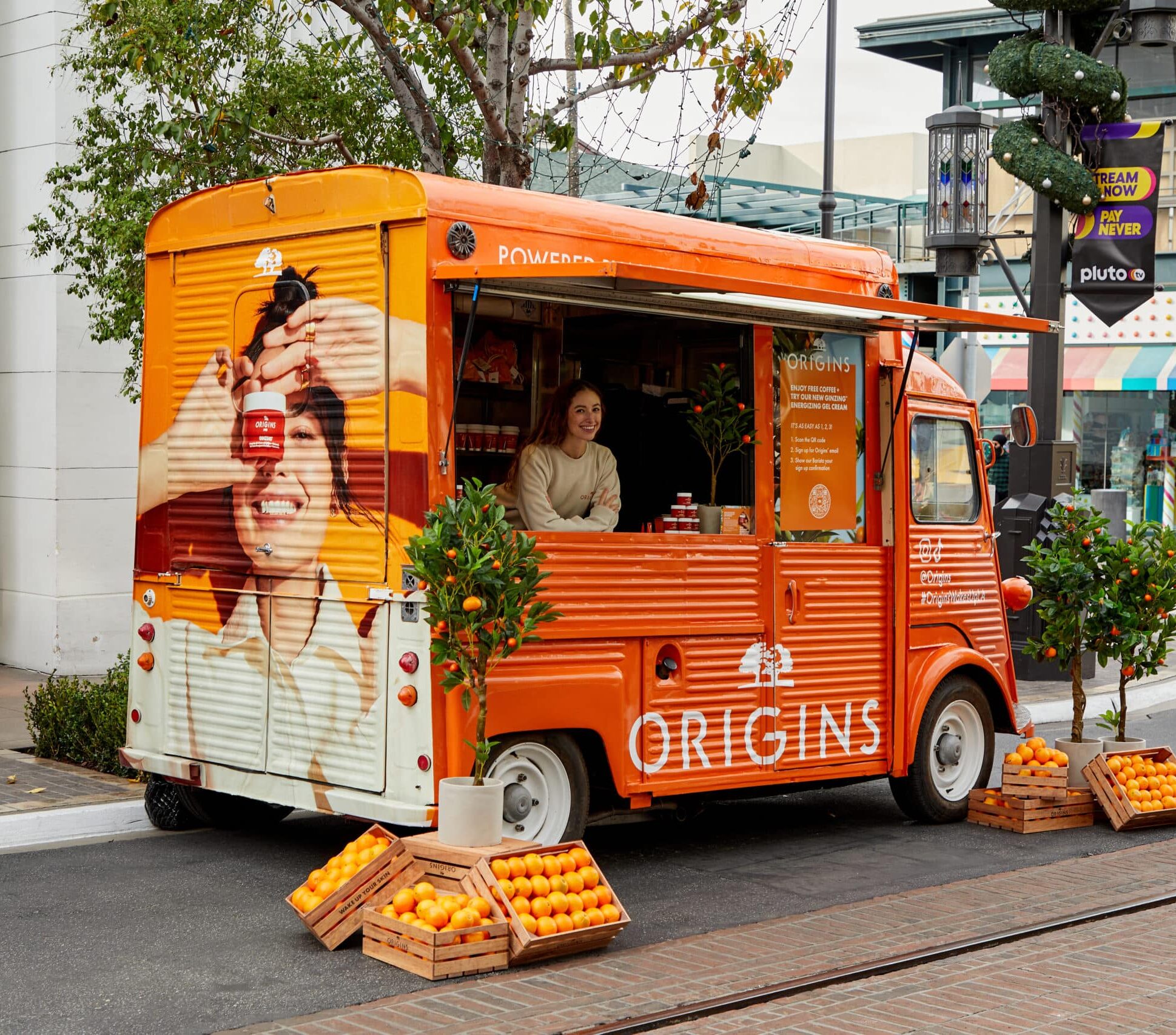
A great activation turns a brand message into a moment people remember. As one example, the Origins pop-up pictured above used a branded Citroen truck to bring the brand’s GinZing line directly to customers on the street, pairing product trial with a photogenic, on-brand setup that invited people to stop, engage, and share. That is the goal of any activation: take the brand off the screen and into real life. See more in our past work.
If you are looking for a starting point, these formats consistently deliver:
The best idea is the one that fits your goal, your audience, and your brand, not the flashiest one on the list.
Pulling the rules together, a strong activation usually follows the same path:
If brand building were a race, it would be a marathon, not a sprint. It takes time and dedication to turn a brand into a success, and brand activations help you get there by fostering relationships, driving awareness, and reshaping perceptions. Done right, by following these rules, they deepen the connection with your customers and raise your odds of success. When you are ready to plan one, reach out to our team.
A brand activation is a campaign or event that makes a brand known to customers by driving awareness and engagement through a live, hands-on experience. Unlike always-on branding, it centers on a single moment designed to bring the brand to life and win new audiences.
They bring a brand to life in a way a traditional ad cannot, creating real, emotional connections. Customers are far more likely to buy from a brand after experiencing it in person, which builds awareness, loyalty, and word of mouth.
Common types include experiential marketing events, product sampling, in-store campaigns, mobile and vehicle activations, pop-ups, and guerrilla marketing. The right type depends on your goal, audience, and budget.
Branding is the ongoing, always-on identity of a company. A brand activation is a focused campaign or event built to drive awareness and engagement around a single moment, bringing that brand identity to life for customers.
Know which type fits your brand, understand the three pillars of demand, timing, and differentiation, measure the right metrics, and above all respect your customers so the activation feels like an extension of your brand rather than a stunt.
Track relevance to your brand, customer reach, return on investment, long-term potential, and uniqueness. Capture data through QR scans, sign-ups, hashtag use, social engagement, and on-site surveys, and tie each metric back to your goal.
Cost depends on the type, scale, number of locations, vehicles, fabrication, and staffing. A single local pop-up costs far less than a national mobile tour. The best approach is to scope the activation to your goal and budget.
The most common failure is feeling like a publicity stunt rather than an extension of the brand. Off-message concepts, pushy staff, poor timing, and ignoring customer feedback all undermine an activation, no matter how flashy it looks.
Beauty, fashion, food and beverage, tech, and lifestyle brands use them heavily, but any business can benefit. The key is designing an activation around who your customers are and what they actually want.
Start with a clear goal, choose the type and format that fit your audience and budget, then plan the timing, location, and on-brand details. An experienced partner can handle the creative, fabrication, permits, and staffing. Reach out to FTP to plan yours.
Winter might bring chilly air and shorter days, but for brands, it also brings one of the best opportunities of the year to connect with

In a world where people are craving real‑world interaction and memorable moments, finding ways to connect them with your products or brand has become more
In a world where consumers crave novelty, connection, and memorable interactions, mobile pop-up shops are quickly becoming one of the most powerful tools in experiential
We use and share personal information through cookies and similar technologies on our sites to personalize your shopping experience and ads. Others may use this information for their own marketing and business purposes. . Check our Privacy Policy for more details.
Browser Opt-Out Honored
We use and share your personal information with others to personalize your shopping experience and show you targeted ads on other sites based on your interests and online activities.
Online Info includes cookies, pixel tags, and similar technologies connected to your browser or device. Offline Info includes information associated with your email address based on your other interactions with us.
We use and share your personal information with others to personalize your shopping experience and show you targeted ads on other sites based on your interests and online activities. Information includes cookies, pixel tags, and similar technologies connected to your browser or device (Online Info), as well as information associated with your email address based on your other interactions with us (Offline Info). Others may use this information for their own marketing and business purposes.
You can choose to opt out of sharing one or both types of information.