

Top 6 Types of Pop-Up Shops: Which Format Fits Your Brand?
There is no single kind of pop-up shop, and the different types of pop-up shops each do a different job. A sampling truck built…
Read more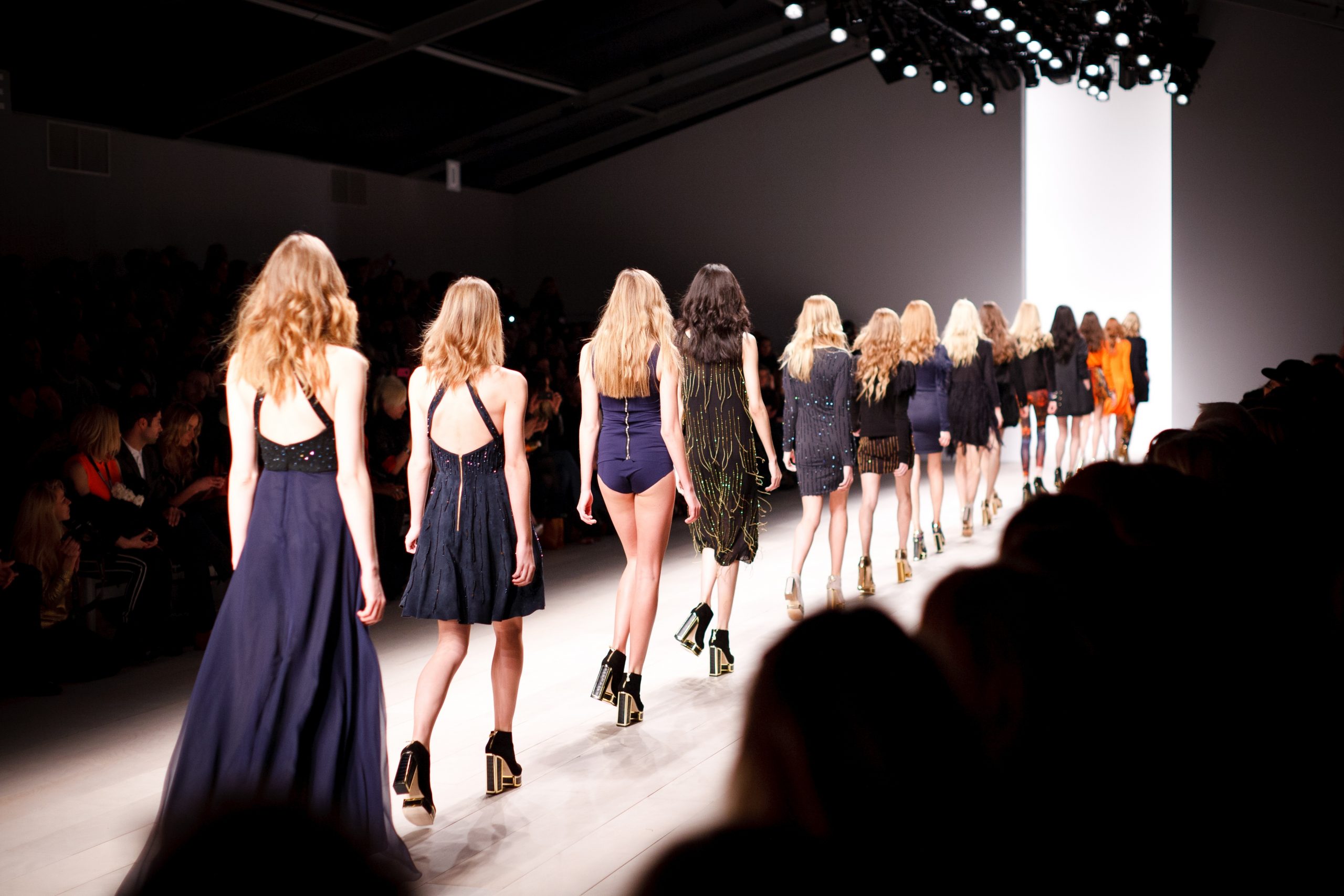
Experiential marketing for fashion brands solves a problem a screen cannot: clothes are physical. Fabric has weight, a color reads differently in daylight, and a sneaker only becomes yours once it is on your foot. When a brand’s clientele want to experience the collection in person rather than through a browser, an activation is how you hand it to them.
We have built these campaigns for Stuart Weitzman, Miu Miu, Zara, Ralph Lauren, Rag & Bone, and Calvin Klein, so this guide covers why the format suits fashion so well, the formats that work, examples from our own fleet, and how to plan one around a collection or a store.
Fashion already speaks the language: Limited-time, invitation-only, and hard-to-get are how the industry sells at full price, and a pop-up creates all three by default.
Park it where the purchase happens: The strongest fashion activations sit outside the brand’s own boutique, turning sidewalk attention into in-store traffic within a few steps.
Food is the fastest way into fashion: Ice cream, coffee, and pastry give a passerby a reason to approach a clothing brand they were not shopping for that day.
The vehicle should match the house: A vintage E-tuk carries a different message than a glass truck, so the format is a brand decision before it is a logistics one.
Customization turns a visit into a purchase: Letting someone personalize the product on the spot converts browsers into customers and gives them something no one else owns.
Why Fashion Brands Need Experiential Marketing
Fashion is no longer only about turning heads on a catwalk or landing a magazine cover. With so many choices at premium prices, brands have to separate themselves on their styles and on their experiences, which means thinking past traditional advertising to reach a wider audience while strengthening the relationships they already have.
Experiential marketing is the foundation for that relationship, and it works differently at each tier. Customers associate a luxury label with prestige and name recognition, so the experience has to protect and extend that aura. For contemporary and retail brands, where the clothes themselves are harder to differentiate, the experience becomes the differentiator. Either way, positive customer relationships compound into long-term loyalty, and an in-person moment builds them faster than an impression ever will.
Pop-up events are not a new concept, but they remain the sharpest tool in fashion’s experiential kit, and brands have taken full advantage with temporary stores and branded trucks that reach new customers and give them something to remember.
They work because they create exactly the air of mystique, curiosity, and exclusivity that fashion houses already build their brands on. A pop-up is limited-time by definition, which means it manufactures scarcity honestly. The rule that matters: the activation has to feel like it came from the house. A vintage vehicle, a color story pulled from the collection, and a food partner chosen with the same care as a runway soundtrack will read as the brand. A generic truck with a logo on it will read as an ad.
Three campaigns we produced, each solving a different fashion problem.
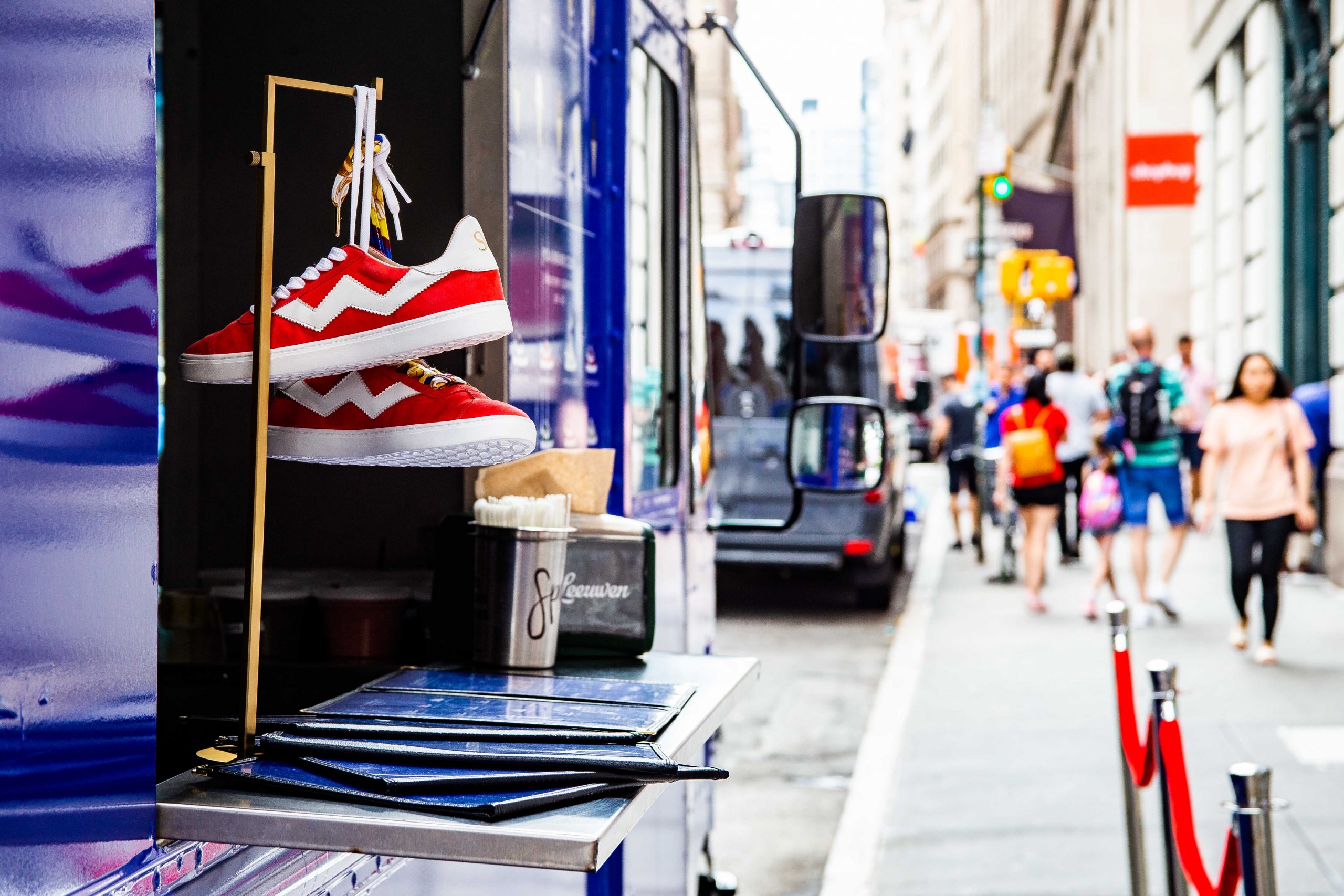
For its first vintage-inspired sneaker launch, the DARYL, Stuart Weitzman turned its Soho boutique into a weekend-long DARE TO DARYL takeover and asked us to customize a truck that would drive traffic through the door.
We turned 118 Spring Street into a block-wide event, with every eye on a blue Stuart Weitzman branded ice cream truck parked directly outside the boutique. Fans lined the street for a complimentary scoop of Van Leeuwen ice cream in 13 flavors, each one drawn from the DARYL’s color palette. The sneaker came to life in every form: custom menus offering ice cream and sneaker options side by side, sequin art installations, and music that turned the sidewalk into impromptu dance-offs. Inside, shoppers could customize their own limited-edition pair on the spot.
The takeaway: the truck was never the destination. It was the reason to walk into the store, and the flavors made the collection’s color story impossible to miss.
After Miu Miu unveiled a new signature graphic at the Paris Fashion Show, the house asked us to build an activation in New York that would celebrate the new look and speak to a younger customer.
The brief had a genuine tension in it. Miu Miu is two things at once: sophisticated and elegant, but also charming and carefree. Merging those in one activation was the whole challenge, and the answer was our vintage E-tuk. Its silhouette carried the unconventional side of the brand while the exterior, fully customized around the new graphic, carried the polish. Inside, we used the vehicle twice over: a coffee service pouring hot gourmet coffee for passing New Yorkers, and a showroom displaying the season’s handbags, with branded marshmallows as the finishing detail.
The takeaway: when a brand has two personalities, the vehicle can hold both. Choose the format for the tension in the brief, not the size of the budget.
When Rag & Bone took over Nordstrom’s Center Stage with a deli-inspired pop-up, displaying exclusive pieces in deli fridges and behind a counter, the street needed to know it was happening.
We rebranded an authentic New York coffee cart in bright yellow and parked it at Broadway and West 57th, directly outside Nordstrom. Passersby stopped for a complimentary hot or iced coffee, then walked inside to see the deli, coffee in hand. The sleeves carried a QR code entering guests into a raffle for a Nordstrom gift card, which meant the cart could prove exactly how much traffic it sent through the doors.
The takeaway: a small format in the right spot beats a big one in the wrong spot. The cart cost a fraction of a truck and did the job because of where it stood.
Four approaches account for most of the fashion activations we build.
The closest thing to a traveling boutique. Glass trucks, Airstreams, and vintage vehicles built out with display, lighting, and room to browse let customers see the collection properly. Best for launches, Fashion Week, and reaching neighborhoods a single flagship cannot.
Coffee, ice cream, and pastry get people to approach a clothing brand they were not shopping for, and a food partner chosen well says something about the house. The Van Leeuwen collaboration worked because the flavors carried the collection’s palette, not because ice cream is popular.
Park the activation outside your own boutique or a retail partner and the distance between attention and purchase collapses to a few steps. It is the highest-converting play in fashion experiential, and it makes measurement straightforward.
Fashion already has a calendar of moments its customers care about. Showing up inside one, whether that is Fashion Week, Pride, or a neighborhood’s peak weekend, borrows an audience that is already assembled and already paying attention.
Start with what the campaign has to do: launch a collection, drive traffic to a store, reach a younger customer, or reintroduce a brand that has drifted. Name the metric that proves it before you choose anything else.
From there, choose the vehicle to carry the brand, not just the product. Pull the design from the collection itself, the way the DARYL palette became a menu. Give people something to hold. Build one moment worth photographing. Park where the purchase can happen minutes later. And handle permits, staffing, and content capture early, because Fashion Week dates and prime retail corners get claimed months ahead.
The appetite for fashion houses to build avant-garde experiences for their customers is not slowing down, and it is getting more inventive every season. From one trend-setting industry to another, fashion brands keep finding new ways to use experiential marketing to attach their name to a positive, physical memory.
Need help starting yours? We have produced fashion activations from Soho boutiques to Fashion Week corners, handling the vehicle, the build, the permits, the staffing, and the reporting. Take a look at our work and get in touch to get started.

There is no single kind of pop-up shop, and the different types of pop-up shops each do a different job. A sampling truck built…
Read more
The best pop-up shop ideas don’t start with a vehicle or a venue; they start with a concept strong enough that people line up,…
Read more
Mobile pop-up shops have become the way ambitious brands go offline: a store, a sampling bar, or a showroom built into a vehicle,…
Read more