The 5 Luxury Brand Marketing Strategies Used by the Top Fashion Houses
Luxury brand marketing strategies work by inverting almost every rule the rest of marketing follows. Mass brands chase reach, discount to convert, and optimize…
Read moreBy: Ashley Elarde • • 10 min read
An experiential marketing strategy is a plan for connecting with customers through live, hands-on brand experiences instead of one-way ads, and it has become one of the most reliable ways to cut through a saturated market. Traditional channels are losing ground: print, radio, and television have seen steady declines in return, younger audiences tune out the tactics of yesteryear, and social feeds are so crowded that most messages disappear the moment they appear.
The fix is to change how you reach people. A well-built experiential marketing strategy engages customers directly and forms a lasting emotional bond with your brand, the kind that turns a single interaction into word of mouth and repeat business. This guide breaks down what experiential marketing is, why it works, the main types of strategies, and a clear seven-step process for developing a winning one, with a real activation to show it in practice.
Experiential marketing, also called engagement marketing, is a strategy that uses direct, in-person contact with customers to build a strong connection between them and your brand. Instead of telling people about a product, it lets them experience how their life could be better with it, which encourages organic, word-of-mouth brand awareness.
That growth comes from designing an experience engaging enough that people want to share it, in person and on social media. When someone associates positive feelings with your brand and feels compelled to tell others, the effect multiplies, and you get far more return than a comparable spend on traditional experiential marketing channels can deliver.
Experiential marketing works because it lets customers see the human element behind a product or business. That human connection has been shown to be highly effective at fostering an emotional bond with a brand, and those bonds tend to outlast the shallow connections formed through traditional advertising. A smiling face, sincere enthusiasm, and real physical interaction with a product all make a difference in creating long-term, loyal customers.
How you design that brand experience depends entirely on what your product is, how you want to be seen, and what your activation goals are. The possibilities are nearly endless, but a few tried-and-true strategy types give you a proven foundation to build on.
There is a wide range of avenues to explore when developing your experiential marketing strategy. Here are five of the most effective types and how each one drives brand activation.
Developing a winning experiential marketing strategy relies on understanding your brand and your customers, then designing an experience that plays to what they want. Here is a seven-step process to take you from idea to measurable result.
Every strong strategy begins with a defined objective: awareness, product trial, lead capture, sales, or loyalty. Decide up front how you will measure success, whether that is foot traffic, samples handed out, QR scans, social posts, earned media, or sales lift. A strategy without a goal is just an event.
You need to fully understand who your customers are and what they want. Learn where they already gather, what they value, and what would make them stop and engage. Designing the experience around those desires is what fosters the emotional connection you are aiming for.
Your activation should be a microcosm of your brand. Decide the single feeling you want people to walk away with, then design every touchpoint, from visuals to interactions, to tell that story. A clear concept is what separates a memorable experience from a forgettable one.
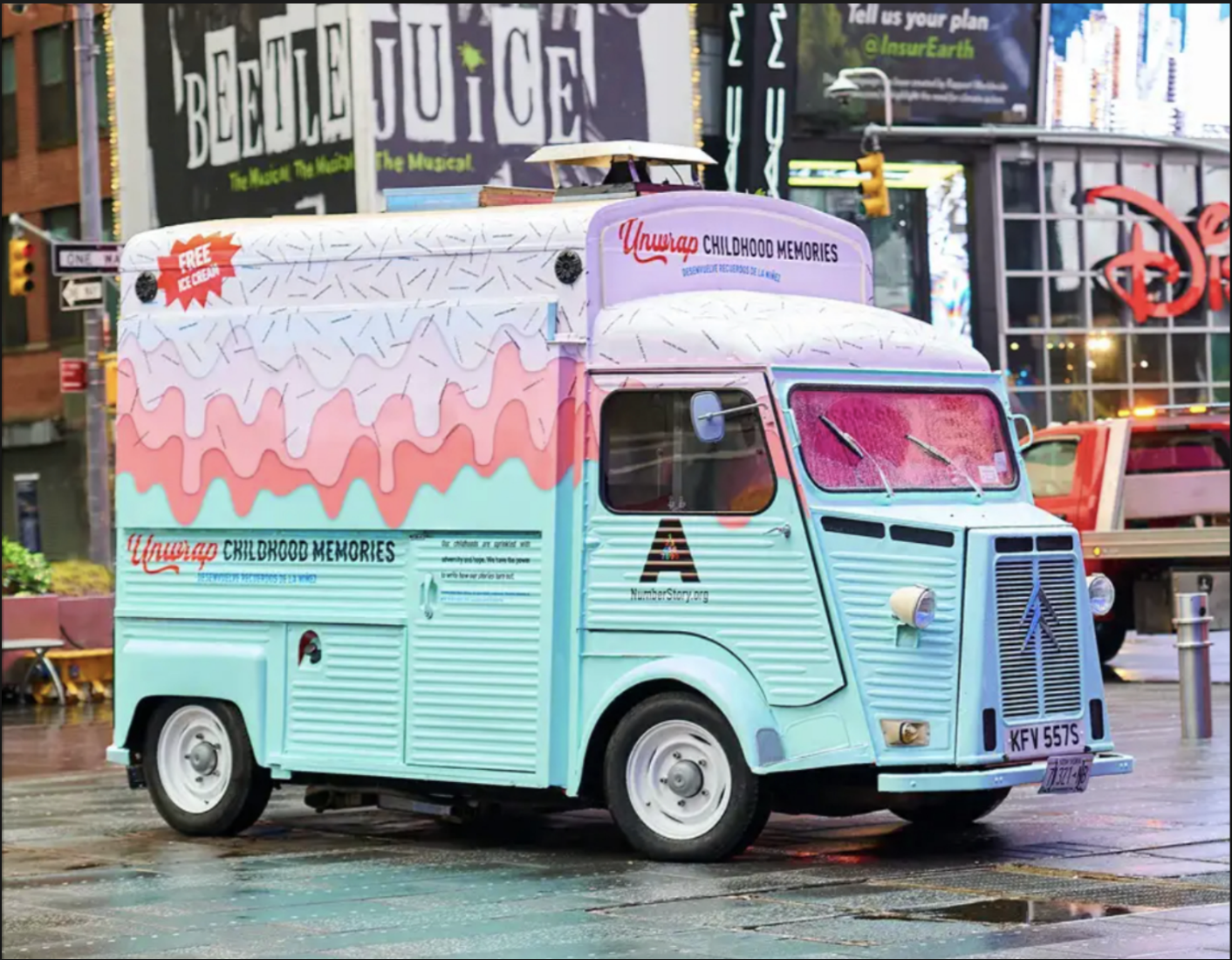
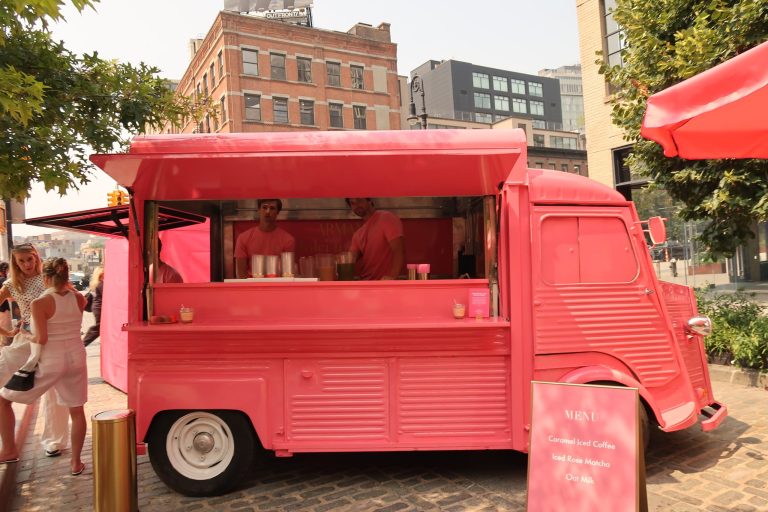
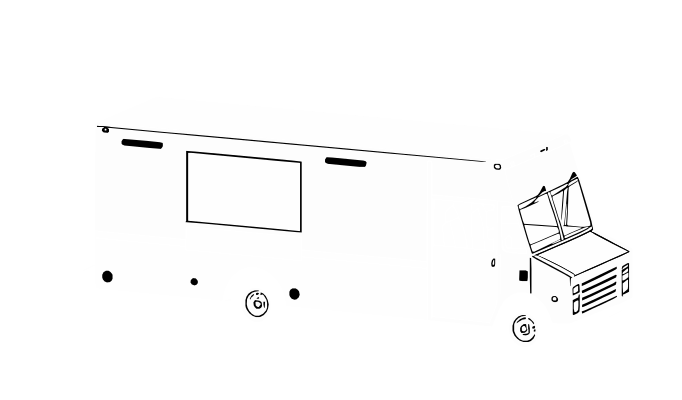
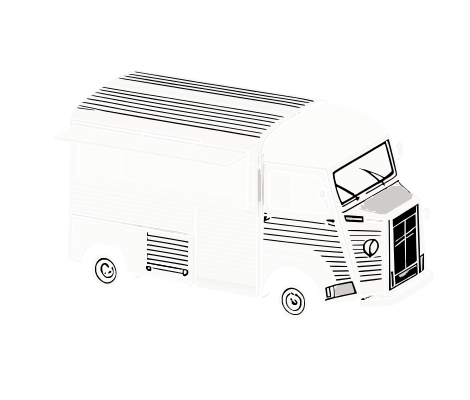
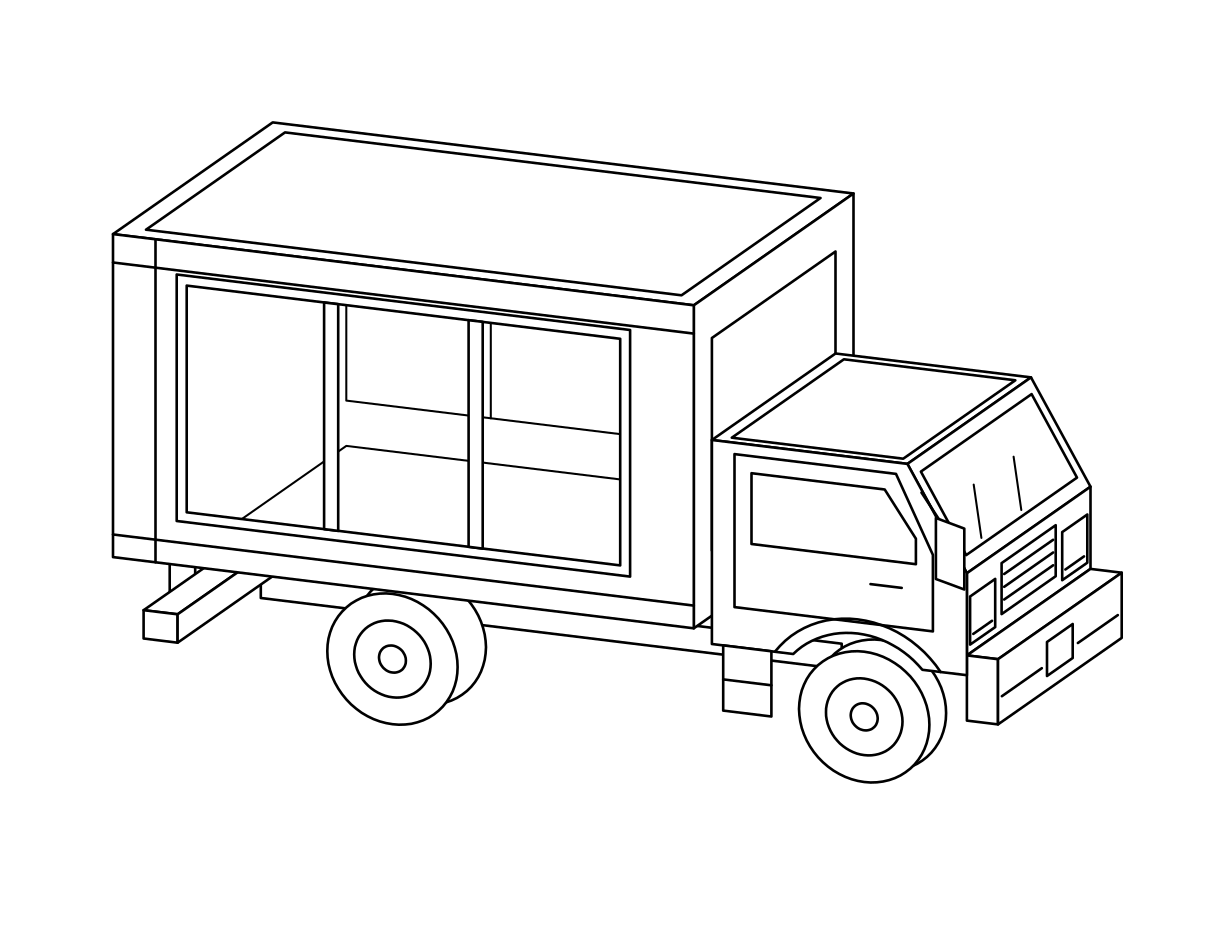
Match the format to your product and goal. Sampling points to a food truck or cart, product display points to a glass truck or Airstream, and a photo-first awareness play points to the most distinctive vehicle you can wrap. Our guide to experiential marketing vehicles breaks down which format fits which goal.
A great concept in the wrong place still fails. Take the experience to where your audience already is, and align timing with the seasons, events, or retail moments that matter to them. For a tour, plan the route so each stop builds momentum for the next.
The human element is what forms the bond, so staff the activation with brand ambassadors who embody your brand, run a clean product demo, and sweat the sensory details. How people are treated in that face-to-face moment is what they remember.
Build in photo moments, hashtags, and social tie-ins so one in-person experience multiplies into thousands of online impressions. Then track your KPIs against the goal you set in step one, so you can prove the return and improve the next campaign.
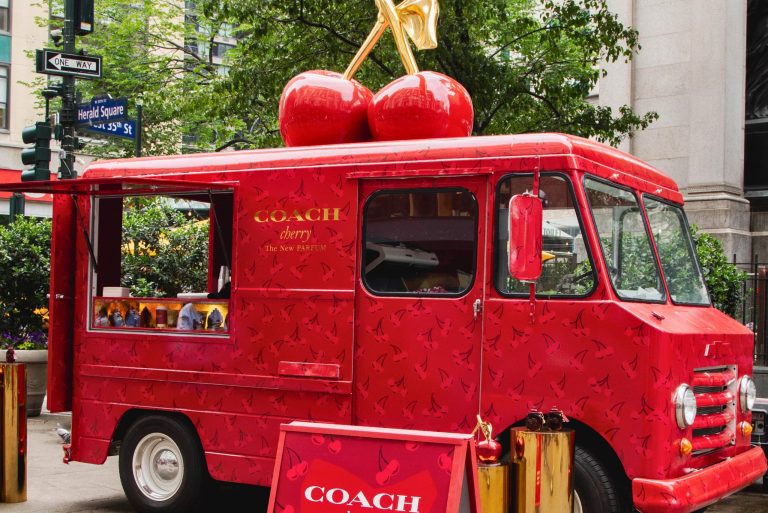
Coach’s Cherry Parfum launch is a clean example of these steps working together. To introduce the new fragrance, FTP Agency partnered with Interparfums to create an immersive pop-up in one of New York City’s busiest shopping districts, with a clear goal: drive meaningful participation and product discovery, not just handouts.
The strategy was deliberate. Rather than relying on sampling alone, the activation layered several interactive touchpoints, fragrance discovery, personalized charm customization, and branded refreshments, that rewarded people for spending time with the brand. Each element was designed to turn casual foot traffic into active participation and social-first moments worth sharing.
The result was an experience that generated conversation, content, and lasting brand affinity, exactly what a well-developed strategy is built to do. It shows how a defined goal, a strong concept, the right format, and share-ready design combine into an activation that keeps working long after the first visit.
One of the biggest reasons experiential marketing is so effective is that these face-to-face campaigns are completely customizable, and that flexibility is exactly why a strategy matters. When you start with a clear goal, understand your audience, build a strong concept, choose the right format, execute with real human interaction, and design for sharing, you turn a one-time activation into lasting brand affinity and word of mouth. Define what winning looks like, tailor the experience to your customers, measure everything, and experiential marketing becomes one of the most valuable techniques in your playbook.
An experiential marketing strategy is a plan for engaging customers through live, hands-on brand experiences rather than one-way ads. It defines your goal, audience, concept, format, and how you will measure success, so an activation builds a real emotional connection instead of a passing impression.
Start with a clear goal and KPIs, understand your audience, build a brand story and concept, choose the right format and vehicle, lock location and timing, staff for real interaction, and design the experience to be shared and measured. Each step keeps the activation tied to a business outcome.
It lets customers see the human element behind a product and interact with it in person, which builds an emotional bond that outlasts the shallow connection of traditional advertising. Those positive feelings drive word of mouth, so one great experience multiplies into many new customers.
Common types include pop-up shops, branded mobile tours, brand booths, product sampling, and sensory or themed immersive experiences. The right one depends on your product, audience, and goal, and many strong campaigns combine two or more into a single activation.
Cost depends on the format, the vehicle and build-out, staffing, the number of markets, and the length of the activation. A single-location pop-up costs far less than a multi-city tour. The best approach is to scope the strategy to your goal and budget with an experienced partner.
Set KPIs before launch based on your goal, then track them during and after: foot traffic and interactions, samples or demos, QR scans and sign-ups, social reach and user-generated content, earned media, and sales or promo-code redemptions. Tie every metric back to the objective.
Traditional marketing broadcasts a message one way, while experiential marketing invites customers to participate in a live, memorable moment. That participation builds stronger recall and emotional connection, which is why most customers say a positive brand experience influences them more than advertising alone.
Almost any brand can benefit, but it is especially powerful for products that become more compelling when experienced in person, such as beauty, food and beverage, fashion, tech, and lifestyle. If tasting, trying, or feeling a product changes how people see it, experiential marketing is a strong fit.
It varies with the goal. A single-day pop-up can create a concentrated burst of buzz, while a multi-day residency or a multi-city tour sustains awareness over time. Match the duration to your objective, your budget, and the rhythm of the events or locations you are targeting.
Define your goal, audience, and the feeling you want people to leave with, then choose a format that fits. An experienced experiential team can help you shape the concept and handle design, fabrication, permits, and staffing so the activation runs smoothly from the first stop to the last.
7 steps, 37 checkpoints, and a one-page brief to plan and launch a mobile pop-up shop that converts.
Instant PDF · No Cost
Author
Social Media Manager @ FTP Agency
Ashley Elarde is a social media strategist, content creator, and experiential marketing professional with experience bringing brands to life through engaging digital content. She has helped execute campaigns for brands across beauty, fashion, retail, and entertainment, developing campaigns that drive engagement and meaningful consumer connections.
Luxury brand marketing strategies work by inverting almost every rule the rest of marketing follows. Mass brands chase reach, discount to convert, and optimize…
Read more →
The nonprofit marketing campaigns that raise money are rarely the ones with the biggest budget, they are the ones where the mechanic does the…
Read more →
Fashion marketing has never been more crowded, more expensive, or more dependent on getting a real person to stop and pay attention. The feed…
Read more →We use and share personal information through cookies and similar technologies on our sites to personalize your shopping experience and ads. Others may use this information for their own marketing and business purposes. . Check our Privacy Policy for more details.
Browser Opt-Out Honored
We use and share your personal information with others to personalize your shopping experience and show you targeted ads on other sites based on your interests and online activities.
Online Info includes cookies, pixel tags, and similar technologies connected to your browser or device. Offline Info includes information associated with your email address based on your other interactions with us.
We use and share your personal information with others to personalize your shopping experience and show you targeted ads on other sites based on your interests and online activities. Information includes cookies, pixel tags, and similar technologies connected to your browser or device (Online Info), as well as information associated with your email address based on your other interactions with us (Offline Info). Others may use this information for their own marketing and business purposes.
You can choose to opt out of sharing one or both types of information.