Capabilites

3D Renderings

3D renderings are how you see the activation before it exists. Our production team turns the approved concept into realistic, detailed visuals covering the vehicle branding, the custom fabrication, and the interior build-out, so you sign off on the experience before anyone cuts material.

Contact

Experiential marketing partner for top brands:

Samsung logo in white capital letters on a blue oval background. DIOR in large, bold black serif letters on a light background. Calvin Klein logo in black sans-serif font on a light background, minimalist style. ULTA Beauty logo with ULTA in large letters, BEAUTY below, and a curved line underneath. A person in a wheelchair reaches up to place a book on a high library shelf, showing accessibility. Uber Eats logo with "Uber" in black and "Eats" in green on a light background.

Approve the Build, Not a Description

A written scope leaves room for two people to imagine two different activations. A rendering does not. Everyone from your brand team to the fabricators is working from the same picture, which is where most build disputes are avoided.


Changes Are Cheap on Screen

Moving a counter, changing a wrap color, or reworking a queue costs nothing at the rendering stage and costs real money once fabrication starts. This is the point in the project where being fussy pays.

Useful Long Before the Activation

Renderings do more than confirm the build. Brands use them to secure internal approval, brief retail and partner teams, pitch landlords and venues, and start pre-event social before the vehicle exists.

Brand Activation Services

Mobile Pop-Up Shops

The format where renderings matter most. Fixtures, product placement, and checkout flow all need resolving visually before fabrication, because retail layout decides whether the space works.

Holiday Pop-Ups

Themed builds live or die on execution detail. Seeing the set dressing rendered in advance is what prevents a festive concept from reading as generic once installed.

Pop-Up Cafés

Service flow is a design problem. Renderings resolve counter height, queue direction, and where people stand while they wait, before any of it is fabricated.

Mobile Marketing Tours

A touring build has to look right in every market and set up fast. Renderings cover both the finished look and the practical build-out that makes daily setup possible.

Our Process

Concept Development

Renderings follow the concept rather than replacing it. Once the story, the environment, and the customer journey are agreed, we translate that into a visual you can evaluate properly.

Location Selection

The chosen location shapes what we render. Sidewalk width, ceiling height at an indoor venue, or the footprint allowed by a permit all determine the build, so location and rendering are resolved together.

Customization

This is where renderings do their work. We produce detailed visuals of the wrap, the exterior, the interior build-out, props, and signage, then revise until it is right. Approved renderings become the reference for fabrication.

Execution

The finished activation is checked against the approved renderings. That is the standard we build to, and it is what makes the result predictable rather than a surprise on the day.

3D Renderings FAQs

3D renderings are detailed digital visuals of an activation before it is built, showing the vehicle, the wrap, the interior build-out, props, and signage in realistic detail. They are the approval document that fabrication then works from.


A flat design shows graphics, not the built environment. Renderings show scale, depth, how the space works with people in it, and how the wrap reads on a curved vehicle surface, which is where flat designs most often fall apart.


Typically one to two weeks after the concept is approved, depending on the complexity of the build and the number of revision rounds. A wrap-only project moves faster than a full interior fabrication with custom props.


Enough to get it right. Most projects settle in two or three rounds. We would rather spend the extra round on screen than discover a problem once material has been cut, so we do not treat revisions as a reason to rush approval.


Yes. Brands regularly use them for internal approvals, retail and partner briefings, venue and landlord pitches, and pre-event social content. The renderings are produced for your project and are yours to use.


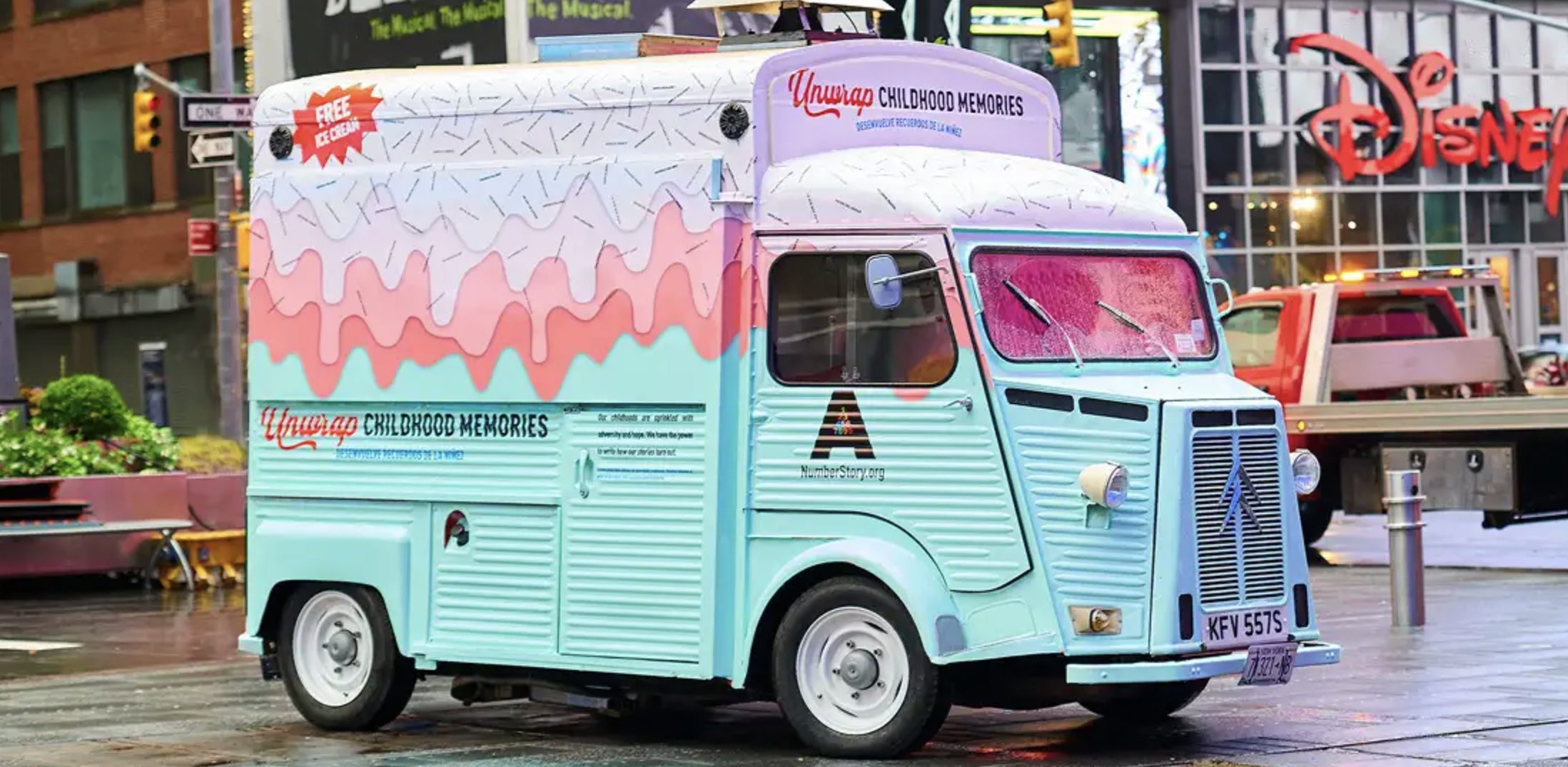
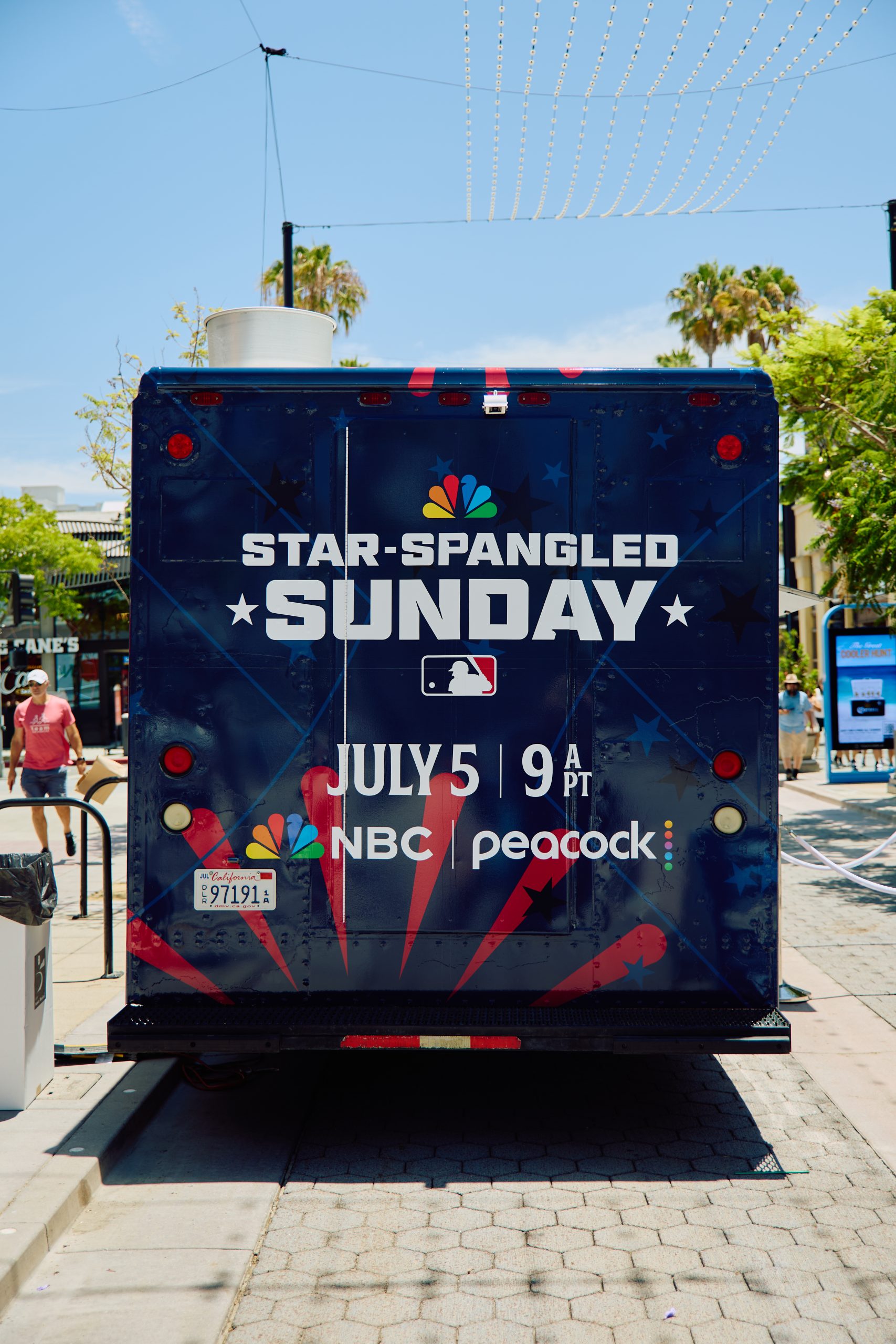
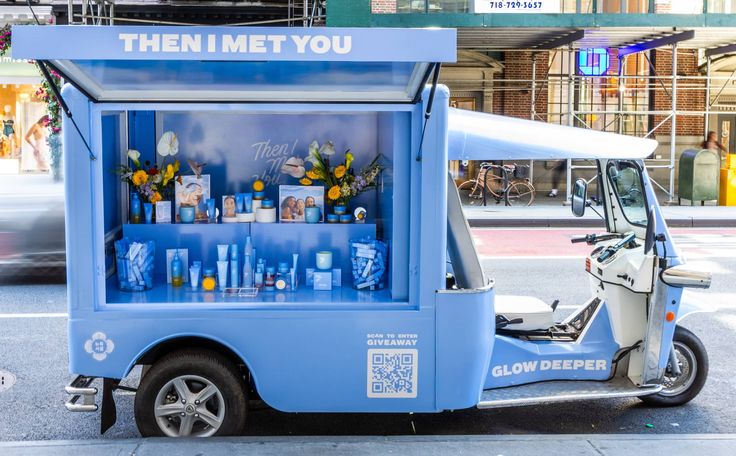
Yes. Renderings are built on the specific vehicle type the activation will use, whether that is a glass truck, box truck, Airstream, tuk tuk, Citroen, or cart, so proportions and sightlines are accurate rather than generic.


It should not, and that is the point of the process. The approved rendering is the build reference. Where a late change is unavoidable, for example a permit condition, we raise it with you before it is made rather than after.


Yes. Where a decision is genuinely open, seeing two directions side by side settles it faster than debating descriptions. We usually recommend narrowing to two before rendering, since each option carries production time.


Not always. A straightforward wrap on a standard vehicle can often proceed from design files alone. Renderings earn their place as soon as there is custom fabrication, interior build-out, or an approval process involving several stakeholders.


Brand guidelines, logo and font files, product imagery, and any existing campaign creative. If you have a preferred vehicle or a confirmed location, that helps too, since both affect the dimensions we are designing into.

TAKE YOUR BRAND TO THE STREETS.®

Get in touch