Interior build-outs
Lounges, showrooms, cafes, and sampling counters built inside the vehicle.
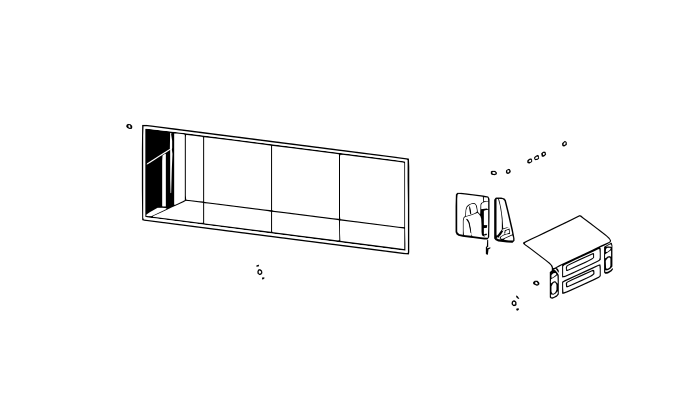
Experiential fabrication is the design and build of the physical environment inside and around an activation vehicle: counters, display walls, lighting, storage, and power, built so the space works on a street rather than in a rendering. Food Truck Promotions fabricates in our own shop, on vehicles we own, which is why what you approved in the drawing is what opens on the day.
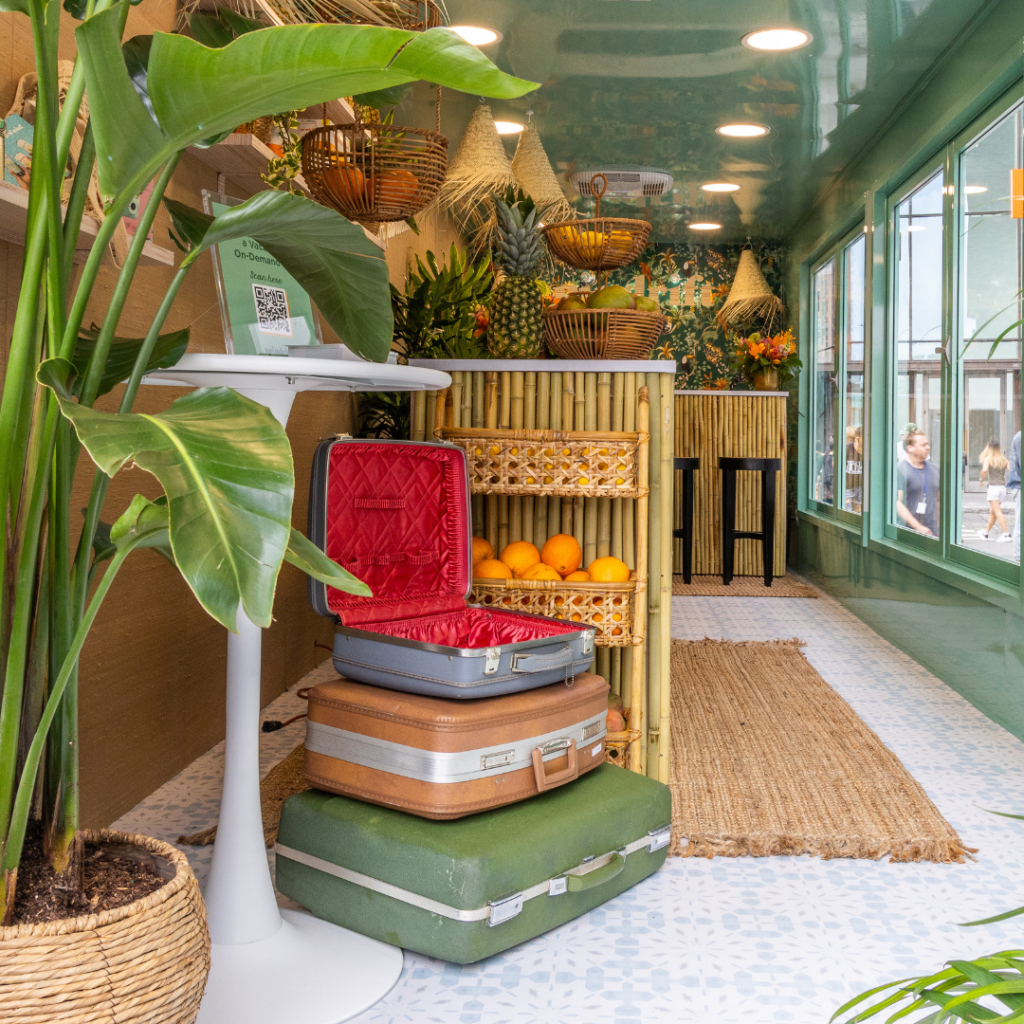
Lounges, showrooms, cafes, and sampling counters built inside the vehicle.
Shelving at eye level so the range reads from the queue.
Height, reach, and throughput designed for the ninety seconds at the window.
Front-facing on the product, with enough output to compete with street light.
Stock, cabling, and bins designed in, so none of it ends up in the shot.
Streets rarely have accessible power. We size the generator to the build.
Every capability on this site runs through the same five steps, because every activation does. The step this page covers is one of them. The rest are done by the same team, in the same building, which is the reason a rendering approved in week one is what arrives on the street in week eight.
Experiential Fabrication in Practice
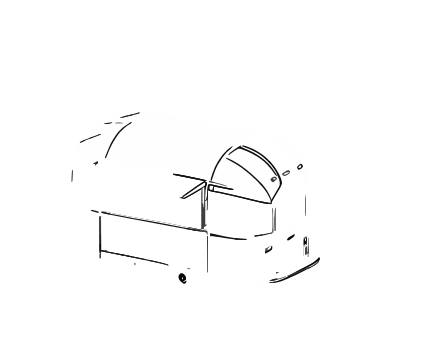
To launch a capsule collection with New York Magazine, we converted a custom Airstream Bambi into a functioning pop-up cafe on Spring Street in SoHo, serving espresso drinks and black and white cookies. The silhouette read from across the street with no copy at all, the cafe conversion gave the queue a reason to stay, and a subway-inspired redemption card moved visitors to the Calvin Klein store a few blocks away.
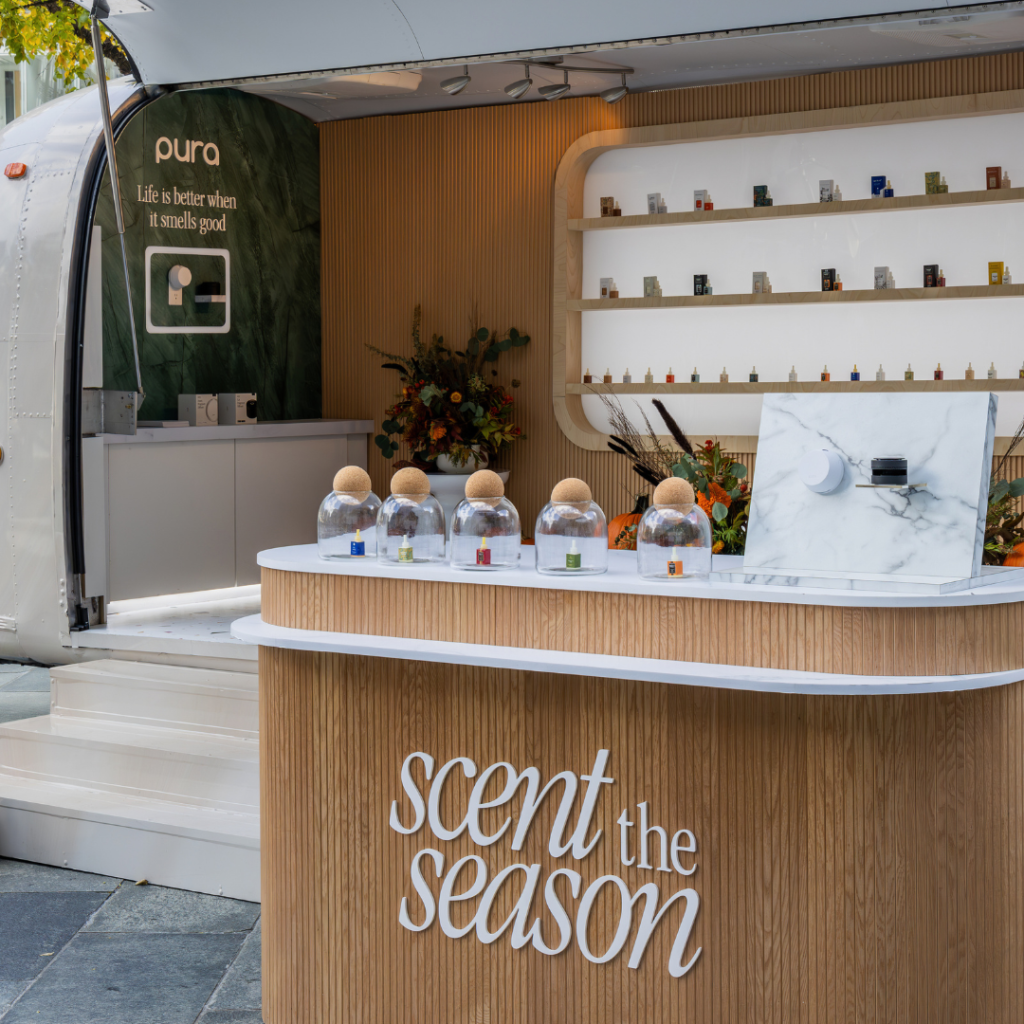
In house, in our own shop, on vehicles we own. The team that draws the build is the team that builds it, which removes the handoff where most activations drift from what was approved. It also means weight, load distribution, and road legality are checked as the build goes up, not after.
It is the physical build of an activation environment: counters, display walls, shelving, lighting, storage, props, and power, designed for a vehicle that has to drive, park, open, and close in every city on the route. It differs from event fabrication because everything must survive the road and set up in minutes.
Yes. Builds are designed to be struck and refitted, and a vehicle can carry a different interior for each client. If you plan to reuse a build for a second campaign or a second season, tell us at the drawing stage so the fixings and the storage are designed for repeat installs.
We level on site, and we design counters and door swings with camber in mind, because almost no city street is flat. Kerbs, drainage, and crown all change whether a build stands level, so we road-test each build before the first stop rather than finding out at it.
Every build starts from 3D renderings you approve. Nothing is cut, wrapped, or wired until the drawings are signed off, and the drawings are produced on exact models of our vehicles. If you want a concept image before a scoped project, Merlin AI will put your brand on a vehicle in minutes.