How to Market a Pop-Up Shop

By: Benjamin Goldberg 11 min read

How to Market a Mobile Pop-Up Shop

Pop-up shop marketing is the difference between a beautiful build that people walk past and a line that wraps around the block before doors open. We’ve produced both kinds of days for brands, and we can tell you the second kind is never an accident. The best activation we can design still needs an audience that knows to show up, a crowd that can’t help posting once they arrive, and a follow-up plan that turns one afternoon into lasting customers.

The good news: driving turnout is a repeatable playbook. After hundreds of activations on the streets of New York, LA, Miami, and everywhere in between, we’ve learned exactly which levers fill a sidewalk. This guide covers how to market a pop-up shop before, during, and after the event, with the real campaigns that prove each tactic.

We report results to brand teams after every activation we produce, so this guide is the measurement framework we actually use: how to set the goal, the core KPIs of a mobile pop-up shop, how to attribute in-person results, and what to put in the recap that gets the next activation approved.

We’ve produced hundreds of these activations for brands from Ralph Lauren to Nespresso, so in this guide we’ll define the format properly: the types, the benefits, where the concept came from, what one looks like in practice, and how a brand launches one.

Key Insights

  • Turnout is engineered before opening day: Social teasers, a branded hashtag, influencer seeding, and a short PR push do most of the work while the vehicle is still in the shop.
  • Your existing audience is the first lever: The strongest launches activate a community that already cares, then give it a reason to show up at a specific corner at a specific time.
  • The event must market itself: A photo-worthy moment, giveaways worth posting, and brand ambassadors who invite the share turn every guest into a media channel.
  • Capture data or lose the crowd: QR codes, sign-ups, and promo codes convert a line of strangers into an audience you can reach the day after the truck drives away.
  • The follow-up is half the campaign: Recap content, thank-you emails, and measurement against one clear goal are what turn buzz into revenue and the next activation’s green light.

What is Pop-Up Shop Marketing?

Pop-up shop marketing is the promotion strategy that drives turnout to a temporary retail or brand activation, before, during, and after the event. It spans pre-launch channels like social teasers, influencers, and PR; on-site tactics like photo moments and data capture; and post-event follow-up that converts attendees into customers. Because a pop-up shop is live for days or hours rather than months, the marketing has to concentrate demand into a short window, which changes how every channel gets used.

That’s the framework we run at FTP Agency for every brand activation we produce, and it breaks into three phases.

The key word is “against its goal.” No single metric defines success for every pop-up, which is why measurement starts before the build.

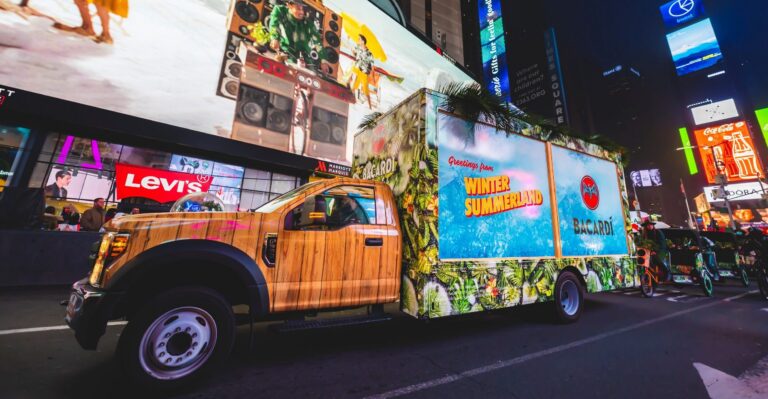
That one change, putting the shop on wheels, changes almost everything about how the format performs. Location stops being a constraint and becomes a strategy: the same build can work a flagship-adjacent sidewalk on Monday and a festival on Saturday. The vehicle itself becomes a moving billboard between stops. And because the entire environment travels together, the brand experience stays identical at every location, which is something a series of leased spaces can never guarantee. The trade-off is space: a vehicle imposes a footprint, which is why the design and build-out matter so much in this format.

Before the Pop-Up: Build the Line in Advance

The brands that draw crowds treat launch day as the finish line of the marketing, not the start. In our experience, the two to three weeks before opening decide the size of the line.

Tease It on Social With a Branded Hashtag

Announce the pop-up where your audience already follows you, then drip the details: a location reveal, a peek at the build, a menu or giveaway teaser. Give the campaign one branded hashtag from day one so every post, from your channels and your guests’, threads into a single feed people can scroll and get FOMO from.

Seed It With Influencers and Partners

A pop-up is local and time-boxed, so a handful of the right local voices beats a national campaign. Invite creators whose audience matches the brand, offer them a first look or an exclusive, and let them do the announcing. Partners multiply reach the same way: when we produced the It Starts With Us launch, The Strand Bookstore sold copies on site, which put one of New York’s most beloved book institutions in front of the exact audience the campaign needed.

Run a Short PR Push

A pop-up is inherently newsworthy: it’s visual, it’s temporary, and it’s local. A concise pitch to local press, event roundups, and industry outlets two weeks out earns the “what to do this weekend” coverage that fills sidewalks. Lead the pitch with the hook (the vehicle, the collaboration, the giveaway), not the brand boilerplate.

Let the Location Do Marketing

Where you park is a promotion decision. A high-traffic, iconic spot brings walk-up discovery that no ad budget can buy, and it gives every photo a recognizable backdrop. Surprise helps too: activating somewhere unexpected, the way we surprised fans near Rockefeller Center, becomes part of the story people tell.

During the Pop-Up: Make the Event Market Itself

Once doors open, the goal shifts: every guest should leave having posted, signed up, or carried something branded away. That’s designed, not hoped for.

Engineer the Photo-Worthy Moment

Every activation we build includes at least one installation that exists to be photographed: a designed backdrop, an oversized prop, a moment with the vehicle itself. When guests post it, they do your reach for you. Interactive beats static, too. 

Capture Data On Site

The line in front of you is the most valuable audience the brand will see all quarter, so capture it: a QR code for a giveaway entry, an email sign-up for an exclusive, a promo code guests redeem later. It takes one touchpoint to design and turns a crowd into a channel.

Staff It With Brand Ambassadors, Not Just Staff

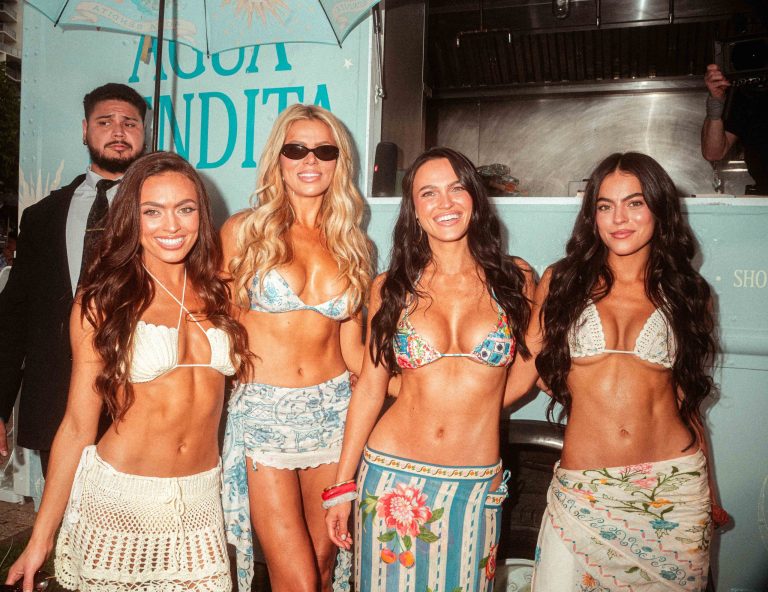
Our brand ambassadors are briefed to talk product, invite the photo, and mention the hashtag, because a warm human ask outperforms any sign. They’re also your live intelligence on what guests respond to, stop by stop.

After the Pop-Up: Turn Buzz Into Results

The truck drives away; the campaign shouldn’t. The 48 hours after close are when attention is highest and most brands go quiet.

Post the recap while the buzz is live: crowd shots, the line, the best guest content reshared with credit. Send the follow-up to everyone captured on site, with the thank-you, the offer, and the next step. Then measure against the one goal set before launch, whether that was sign-ups, samples, sales, or reach, and package the results. That recap is what turns one pop-up into a program.

Case Study: How ‘It Starts With Us’ Drew a Line Around Rockefeller Center

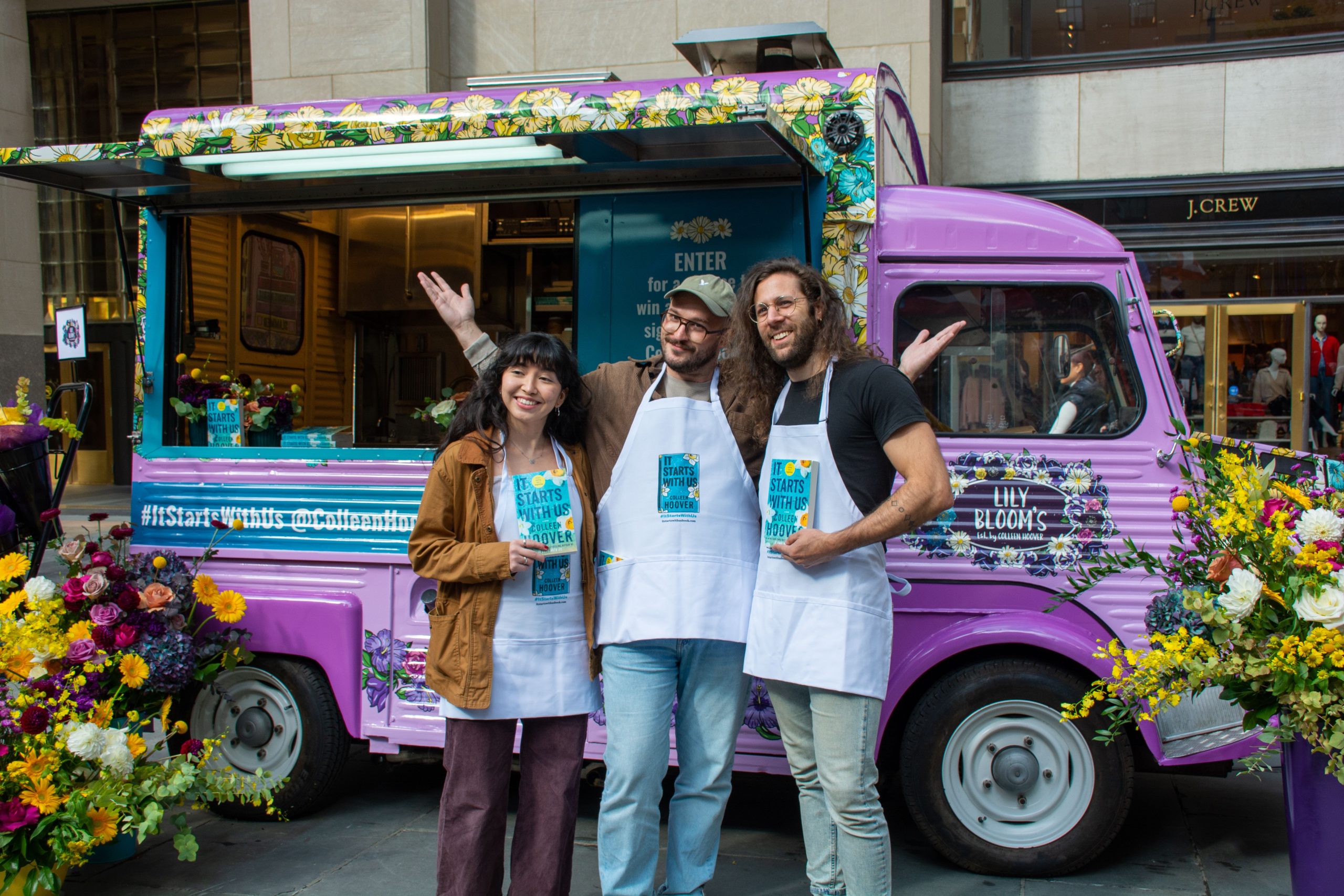
Lily Bloom's floral shop.

When Simon & Schuster and Atria Books launched It Starts With Us, the most pre-ordered book in the publishers’ history, the marketing brief was really a fandom brief: give one of the most passionate reader communities on the internet somewhere to show up. Here’s how the playbook above looked in practice.

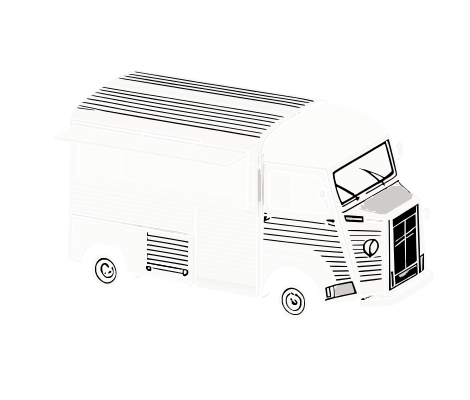
We recreated Lily Bloom’s flower shop, straight from the book, on our vintage Citroen at Rockefeller Center: a floral display in the purple, yellow, and teal readers know from the cover, with hot chocolate and cookies nodding to the story’s restaurant. The It Starts With Us pop-up truck gave BookTok a real-world set from a story it already loved, which is the pre-launch lever at full power: an existing community, activated with a specific place and time.

The event was built to market itself. The flower shop was one continuous photo moment, exclusive signed book plates gave fans a reason to be first in line, and The Strand sold copies on site. The result: a massive line formed more than two hours before the official opening, and hundreds, eventually thousands, of guests came through for hot chocolate, cookies, and first copies of the book.

The lesson we take to every campaign since: find the audience that already cares, hand them an experience worth photographing, and the marketing compounds itself.

Fill the Sidewalk, Then Prove It

Pop-up shop marketing comes down to three phases done deliberately: build demand before doors open, design an event guests can’t help but share, and follow up while the buzz is warm. Run all three and the line takes care of itself; skip one and even a great build underperforms.

None of these is perfect alone; together they bracket the truth well enough to make decisions. The rule we follow: every takeaway that leaves the vehicle should carry a trackable next step.

Frequently Asked Questions​

Pop-up shop marketing is the strategy used to drive turnout and results for a temporary retail or brand activation. It covers pre-event promotion such as social teasers, influencers, and PR; on-site tactics such as photo moments and data capture; and post-event follow-up that converts attendees into customers.

Start two to three weeks out for most activations. That window is enough to run a teaser arc on social, seed influencers, and land local press without the announcement going stale. Larger launches and multi-city tours warrant longer runways, especially when partners and media are involved.

Announce it where your audience already follows you, then drip details: location reveal, build previews, menu or giveaway teasers. Use one branded hashtag from the first post so guest content threads into a single feed, and reshare the best posts during and after the event.

Yes, when they’re chosen for audience match rather than follower count. A pop-up is local and time-boxed, so a handful of local creators whose followers can actually attend outperforms broad campaigns. Offer a first look or exclusive so their content lands before doors open.

The hook, not the brand. A custom vehicle, a beloved collaboration, a giveaway, or an unexpected location gives local press and event roundups something to cover. Pitch concisely about two weeks out and aim for the “what to do this weekend” slots your audience already reads.

Design one frictionless touchpoint: a QR code tied to a giveaway entry, an email sign-up for an exclusive, or a promo code redeemable after the event. Brand ambassadors should invite the action personally, since a warm ask converts far better than signage alone.

A recap within 48 hours, while attention is highest: crowd and line shots, the best guest content reshared with credit, and results worth celebrating. Pair it with a follow-up email to everyone captured on site carrying a thank-you, an offer, and the next step.

Pick one primary metric before launch, then count everything against it: attendance, samples served, sign-ups, promo redemptions, social reach, and press earned. The post-event recap that packages those numbers is what justifies the spend and greenlights the next activation on the calendar.

Turnout is engineered in advance. Long lines come from an existing audience activated with a specific time and place, exclusivity worth arriving early for, and pre-launch buzz. The It Starts With Us launch drew a line over two hours before opening because its community was primed.

Usually a mix: the brand drives its owned channels and community while an experiential agency produces the event, location strategy, photo moments, staffing, and data capture. At Food Truck Promotions we build activations designed to be shared, so the marketing and the experience work as one.

FTP Free download

The Mobile Pop-Up Shop Launch Checklist

7 steps, 37 checkpoints, and a one-page brief to plan and launch a mobile pop-up shop that converts.

Instant PDF · No Cost

Benjamin Goldberg

Author

Benjamin Goldberg

CEO @ FTP Agency

Benjamin H. Goldberg is passionate about bringing brands to life on the streets. As CEO of Food Truck Promotions and co-founder of the New York and Los Angeles Food Truck Associations, he helps create unforgettable mobile experiences that blend great food, creative branding, and meaningful connections with audiences everywhere.

More posts
How Retail Experiential Marketing Turns Foot Traffic Into Customers