10 Creative Pop-Up Shop Ideas From Real Brands

By: Benjamin Goldberg 10 min read

Creative Pop-Up Shop Ideas From Real Brands

The best pop-up shop ideas don’t start with a vehicle or a venue; they start with a concept strong enough that people line up, post, and remember which brand gave them the moment. We know because we’ve built these activations for some of the biggest names in beauty, beverage, retail, and tech, and the ones below are the ideas that delivered lines around the block and results the brands could report.

Key Insights

  • A pop-up shop idea is a goal wearing a costume: Behind every great concept is one job to do, whether that’s trial, sales, store traffic, or awareness, and the theme is how the job gets done joyfully.
  • The strongest ideas borrow existing love: Fandoms, rituals, partnerships, and cultural moments come with built-in audiences, so the pop-up only has to give them a place to show up.
  • The vehicle is part of the idea: A double-decker bus, a glass truck, and a vintage Citroen tell different stories before a guest ever steps up, so match the format to the concept.
  • Interaction beats observation: Customization stations, prize mechanics, and sampling turn passersby into participants, and participants into posts.
  • Proof travels with the idea: Each concept below carries real reported results, from 5,100+ samples to 1M+ impressions, which is what turns inspiration into a business case.

What Makes a Great Pop-Up Shop Idea?

A pop-up shop idea is the creative concept that shapes a temporary retail or brand activation: the theme, the experience, and the reason people show up. A great one pairs a clear business goal with an experience worth photographing, built on a format and vehicle that fit the audience and location. The ten ideas below each pass that test, and each one is proven by a real activation you can study.

1. Recreate a World Fans Already Love

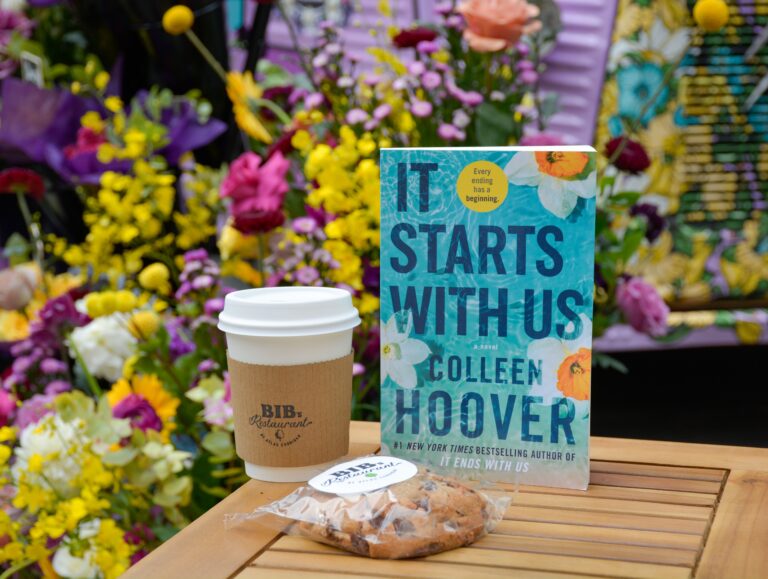
It Starts With Us" book next to a coffee cup and wrapped cookie, flowers behind them.

If your brand touches a fandom, build the place fans have only imagined. For the launch of Colleen Hoover’s It Starts With Us, the most pre-ordered book in Simon & Schuster’s history, we recreated Lily Bloom’s flower shop from the story on our vintage Citroen at Rockefeller Center, down to the purple, yellow, and teal florals. The It Starts With Us pop-up drew a line more than two hours before opening and thousands of guests through the day. The same idea adapts to any brand with a devoted following: a streaming series set, a game world, or the flagship scene from a beloved campaign. Best for: publishers, entertainment, and any brand with a passionate community. The fit: a vintage Citroen or food truck as a story set.

2. Launch a Product as a Tasting Bar

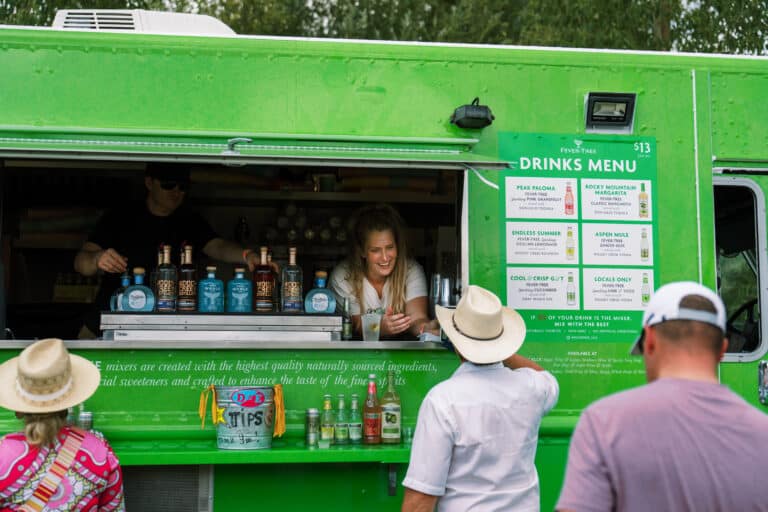
fever tree aspen mobile pop-up

Don’t announce a new product; pour it. When Fever-Tree launched its Espresso Martini mixer range, the mobile bar activation served the product itself in hot mocha and iced variations. More than 5,100 consumers sampled, beating the campaign goal by 70%, and over 3,400 totes, bottles, and coupons went home to finish the conversion. A skincare brand can run the same play as a mini-facial bar, and a snack brand as a chef-built menu around the new flavor. Best for: beverage and food brands with a launch to prove. The fit: a branded bar or sampling truck with a fast service line.

3. Build a Two-Story Brand World

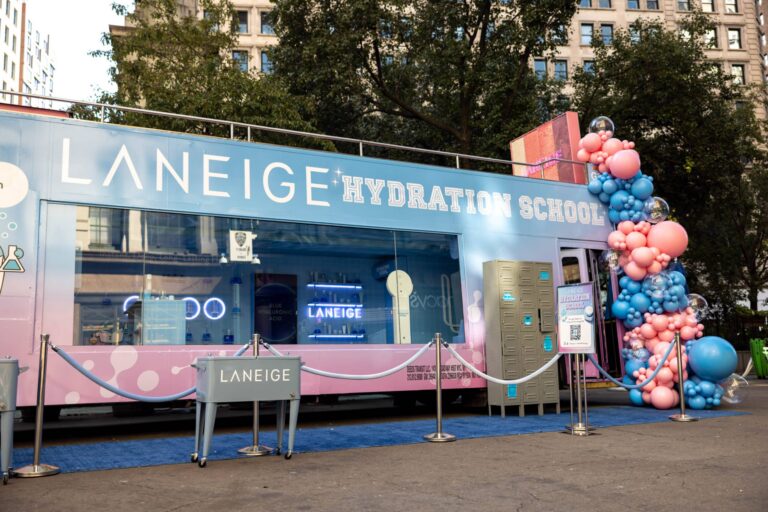
Glass Box Truck labeled Laneige Hydration School with balloons and sign, city buildings behind.

When one theme isn’t enough, stack two. LANEIGE’s Hydration School pop-up bus used a custom double-decker to give each hero product its own floor: a blue, science-lab first level for the Water Bank collection and an all-pink rooftop with giant Lip Sleeping Mask props, connected by a prize wheel journey that ended at a lip-shaped couch and candy wall. Any brand with two hero products or a before-and-after story can split the same way, one world per level. Best for: brands with a product franchise to showcase, especially beauty. The fit: a double-decker bus, the biggest canvas in the fleet.

4. Park the Showroom Outside the Store

Nespresso three-wheeled vehicle with orange wheels parked on street; people and buildings nearby.

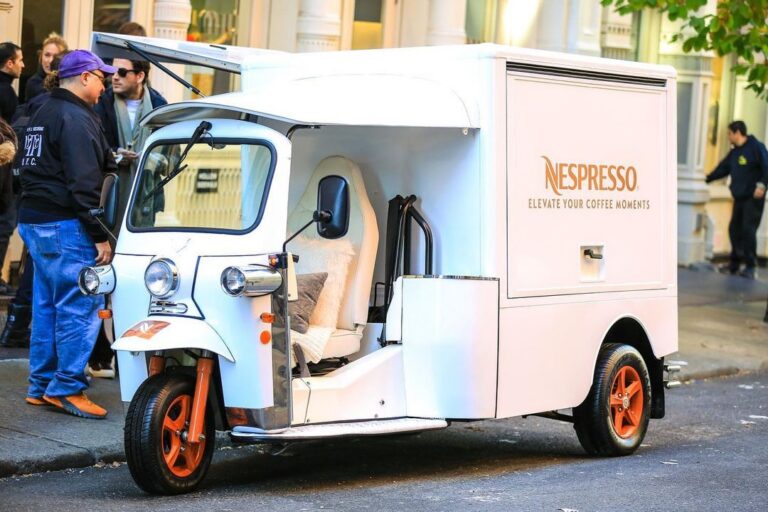
Turn awareness into store traffic by closing the distance to zero. For Nespresso’s first national mobile tour, we built a vintage E-tuk into a dual showroom and coffee bar, sampling the Nordic Limited Edition holiday flavors directly in front of Nespresso boutiques on Prince Street, Madison Avenue, and Rodeo Drive across a six-week, four-city route. Guests did tastings at the mobile showroom, then walked inside to shop machines as gifts. The same idea works for any retailer or DTC brand with a wholesale partner: park where the purchase can happen minutes later. Best for: retail brands supporting their own stores or partners. The fit: a compact showroom vehicle parked with intent.

5. Put the Whole Experience Behind Glass

Tropical pop-up room with large windows, green plants, wicker decor, oranges, and a woven rug.

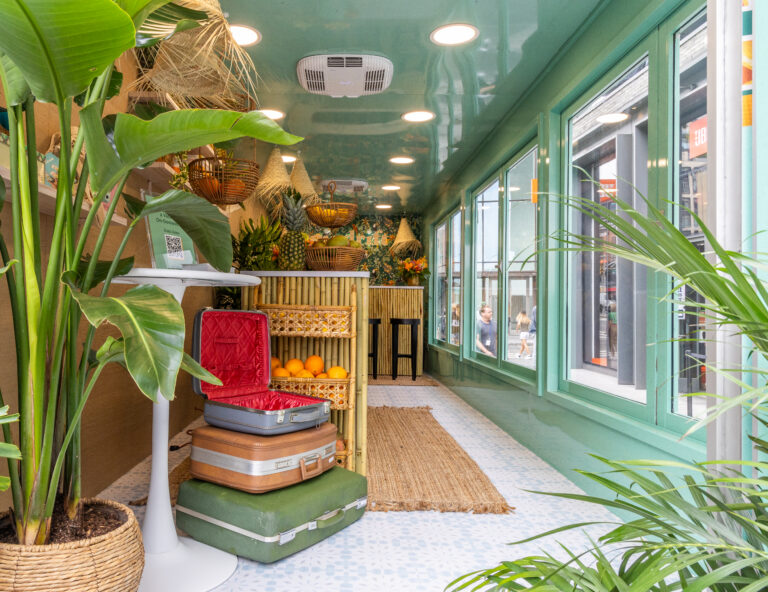
Make the build itself the billboard. Spindrift’s Greetings From Paradise transformed our glass box truck into a tropical beach bar in front of the Broadway-Lafayette subway, visible from across the street, engaging all five senses with sampling, a vacation playlist, postcards loaded with drink offers, Polaroids, and mocktail appointments. The transparent format flatters anything visual, from a fashion capsule styled like a window display to a tech demo people can watch from the sidewalk. Best for: colorful products and immersive themes that deserve to be seen whole. The fit: a glass truck, especially striking lit up at night.

6. Let Guests Make It Their Own

Pastel yellow ice cream truck with flowers and butterflies parked in a plaza by big buildings.

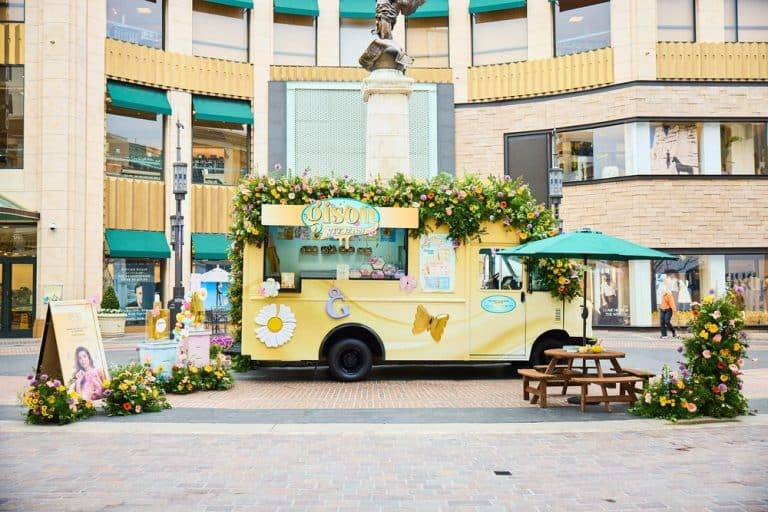
Customization turns visitors into creators, and creators post. At Gisou’s Honey Glow truck at The Grove, guests sipped honey lemonade and bedazzled their own lip oil at a customization station, a mechanic that made it almost impossible not to share. Swap the station for monogramming, engraving, mixing, or build-your-own bundles and the idea fits nearly any product category. Best for: beauty, fashion, and lifestyle brands where personalization is the product’s promise. The fit: a truck or cart with a dedicated hands-on station and room to linger.

7. Turn the Vehicle Into the Product

Booking.com ice cream truck with pink wheels, sprinkles, and a world map parked on city street.

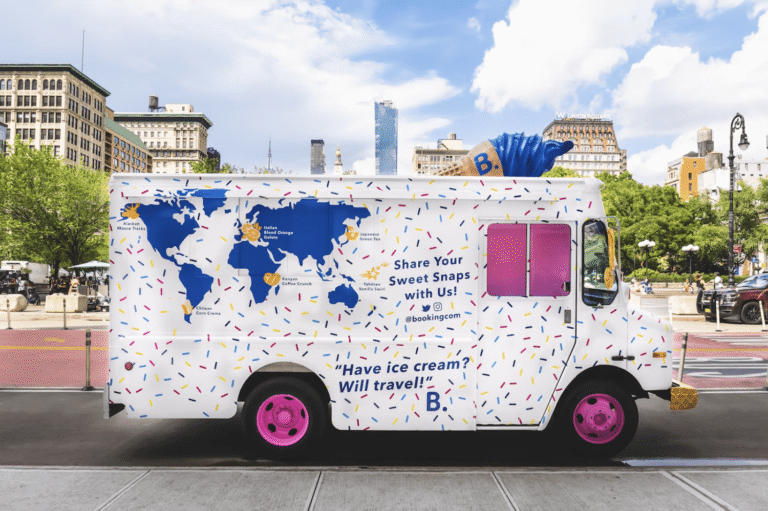
The boldest idea in the playbook: fabricate the product at street scale. For Booking.com, we gutted an ice cream truck and rebuilt it as a fully functional hotel room for one night, a full-scope fabrication that made the brand’s promise physical. The Booking.com ice cream truck remains one of our favorite proofs that if you can sketch it, it can drive. We’ve since taken the same thinking as far as a life-sized replica of Tonka’s toy truck parked in Flatiron. Best for: brands whose product is an experience rather than an object. The fit: full custom fabrication.

8. Take the Idea on Tour

Red Tirtir World Tour bus outside Nike store with people receiving items from staff.

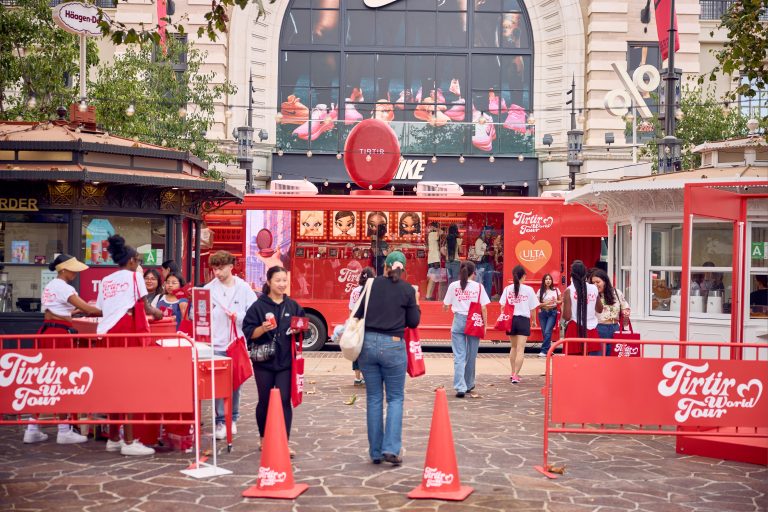
One build, many cities, compounding results. K-beauty brand TIRTIR took its World Tour across LA, Miami, Chicago, and New York with our production team managing the vehicle, permits, and logistics at every stop, carrying an identical brand experience coast to coast. The TIRTIR World Tour shows how a single pop-up concept becomes a national campaign. Sequence the route around your retail footprint or seasonal moments and each stop compounds the last, with the build cost spread across every city. Best for: brands entering new markets or launching nationally. The fit: a road-hardy truck or bus with a route planned like the media.

9. Go Where Gen Z Already Is: Campus

Two people in green shirts smile by a green Innisfree trailer and yellow product table outdoors.

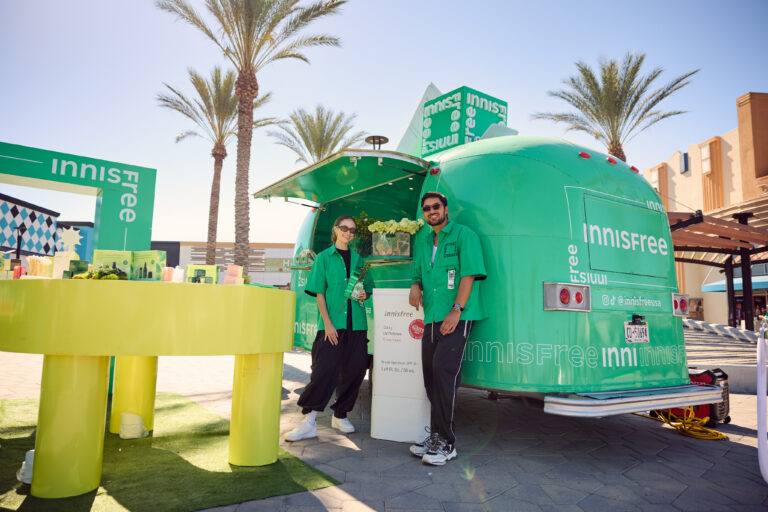
Meet the next generation of customers between classes. innisfree’s West Coast college tour took a turf-and-floral Airstream Bambi to six California college towns, pairing sampling and scratch-off prizes with stops positioned near Sephora, and finished with more than 3,000 visitors and over 1 million brand impressions. Time it to back-to-school or finals week and the same route reaches students exactly when routines and budgets reset. Best for: beauty, wellness, and lifestyle brands building Gen Z loyalty early. The fit: an Airstream or truck sized for quads and campus-adjacent streets.

10. Show Up Inside a Cultural Moment

Branded Ices Instagram

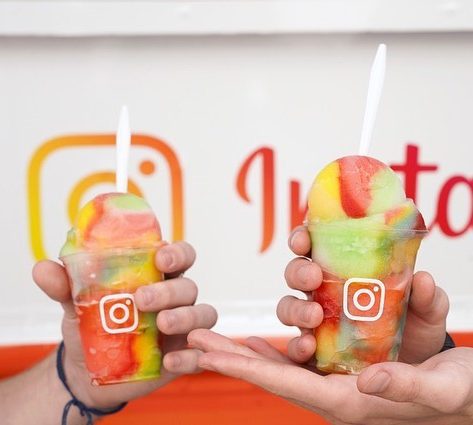
Borrow the energy of an event your audience already celebrates. During Latin Week, Instagram served free ice cream right on the Miami beach around the Billboard Latin Music Awards, with appearances from artists like Farruko and Manuel Turizo drawing even bigger crowds to the Reels on Wheels activation. Pick the moment your audience already circles on the calendar, whether that’s Pride, an awards week, a sports final, or a festival, and design the pop-up as part of the celebration. Best for: platforms and brands that want relevance inside a passionate community’s moment. The fit: a nimble branded truck that can work a beach, a festival, or an awards week.

How to Choose the Right Idea for Your Brand

Run the list back through your one primary goal. Trial points to the tasting bar and campus tour. Store traffic points to the showroom-outside-the-store. Awareness points to the glass truck, the fandom world, and the cultural moment. Then match the vehicle to the concept from our experiential vehicles lineup, and design one photo-worthy moment into whichever idea you choose.

Frequently Asked Questions​

The strongest ideas pair a clear goal with a shareable experience: fandom recreations, product tasting bars, two-story brand worlds, showrooms parked outside retail stores, glass truck displays, customization stations, custom fabricated vehicles, multi-city tours, campus activations, and cultural-moment takeovers, all proven by real campaigns.

A successful idea does one job, whether that’s trial, sales, store traffic, or awareness, and wraps it in an experience people want to photograph. It matches the format and vehicle to the concept, builds in one photo-worthy moment, and includes a takeaway or mechanism that makes results measurable.

Start with the single metric the activation must move, then look for existing love you can borrow: a fandom, a ritual, a retail partner, or a cultural moment your audience already celebrates. Shape the experience around that, and choose the vehicle that physically fits the concept.

A fandom pop-up recreates a world an audience already loves, giving fans a physical place to celebrate it. The It Starts With Us launch rebuilt the book’s flower shop at Rockefeller Center and drew a line over two hours before opening, because the community was primed to show up.

Yes, and they’re among the most measurable formats. Fever-Tree’s espresso martini bar served more than 5,100 samples, surpassed its campaign goal by 70%, and sent over 3,400 totes, bottles, and coupons home with guests, connecting the trial directly to future purchases.

It depends on the concept: double-decker buses for multi-room brand worlds, glass trucks for display-forward themes, vintage Citroens for charm-led story sets, Airstreams for campus and lifestyle tours, and food trucks for sampling volume. The vehicle should be chosen after the idea, not before.

Yes. A mobile build carries an identical experience city to city, which is the format’s biggest advantage over static pop-ups. TIRTIR’s World Tour ran LA, Miami, Chicago, and New York on one concept, and innisfree’s college tour covered six California towns with a single Airstream.

Heavily. The right location supplies foot traffic, context, and attribution for the results. Nespresso parked its mobile showroom directly outside its own boutiques so sampling converted into store visits, and innisfree positioned its campus stops near Sephora so the awareness had somewhere to go.

Set one primary metric before launch, then count samples, interactions, leads, redemptions, social reach, and press per stop. The ideas in this list carried reported results like 3,000+ visitors, 1M+ impressions, and 70% over a trial goal, which is what justified their budgets.

An experiential agency with in-house design, fabrication, and production. At FTP Agency, we take concepts from sketch to street, including the vehicle, build-out, permits, staffing, and measurement, and every idea in this list came from a campaign our team produced.

Benjamin Goldberg

Author

Benjamin Goldberg

CEO @ FTP Agency

Benjamin H. Goldberg is passionate about bringing brands to life on the streets. As CEO of Food Truck Promotions and co-founder of the New York and Los Angeles Food Truck Associations, he helps create unforgettable mobile experiences that blend great food, creative branding, and meaningful connections with audiences everywhere.

More posts
Top 6 Types of Pop-Up Shops: Which Format Fits Your Brand?