Back to school marketing has a timing problem, and most brands are still activating on the wrong side of it.
The instinct is to run something in the last week of August, just before the bell rings. The data says the decision was made much earlier: 62 percent of shoppers had already started buying for the school year by early July.
This guide covers five activation ideas for the season, when each one should run, and a campaign that used the moment properly.
Key Takeaways
- The season starts in June, not August: most shoppers begin by early July, so a late-August activation reaches people who have already bought.
- It is the second biggest retail season: K-12 spending hit a record $43.3 billion in 2026, and combined K-12 and college spending reached $146.8 billion.
- Parents are hunting value: affordability is the dominant theme, which makes giveaways and contests unusually effective this season.
- Reach parents where they already are: the audience is doing errands, not seeking out brand experiences, so placement beats concept.
- Split the season: an early activation captures the main purchase, a late one captures the top-up buying that continues into September.
How Big the Back to School Season Actually Is
Back to school is the second largest retail season of the year after the winter holidays, and the numbers have grown considerably.
Families with children in elementary through high school plan to spend an average of $863.86 each, with total K-12 spending reaching a record $43.3 billion in 2026, up from $39.4 billion the year before. Adding back-to-college pushes the combined figure to a record $146.8 billion.
Electronics is the largest category at $293.11 per household, followed by clothing and accessories at $250.29, shoes at $174.01, and school supplies at $146.45. That order matters when choosing what to sample, demonstrate, or discount.
When to Activate a Back to School Campaign
This is the part the season is usually planned around badly, and correcting it is worth more than any creative decision.
- June and early July: the main window. Most households have started by early July, and June sales events pull a meaningful share of the spend forward. An activation here reaches people before the list is filled.
- Late July and August: the deal hunters. Roughly half of shoppers deliberately wait for better prices, so a second wave of buying happens here among the most price-sensitive parents.
- September: the top-up. Around half of households buy only the essentials first and replenish later, which means the season does not end when term starts. The practical consequence: a single late-August activation catches the smallest of the three windows. Splitting the budget across an early and a late placement covers the decision and the top-up.
Top Back to School Marketing Ideas
Here are the best ideas for back to school marketing for your brand.
1. Pop-Ups Where Parents Already Shop
Busy parents have go-to stores for school supplies, and there is a short window between receiving a supply list and needing everything ready. They are not browsing, they are executing a task.
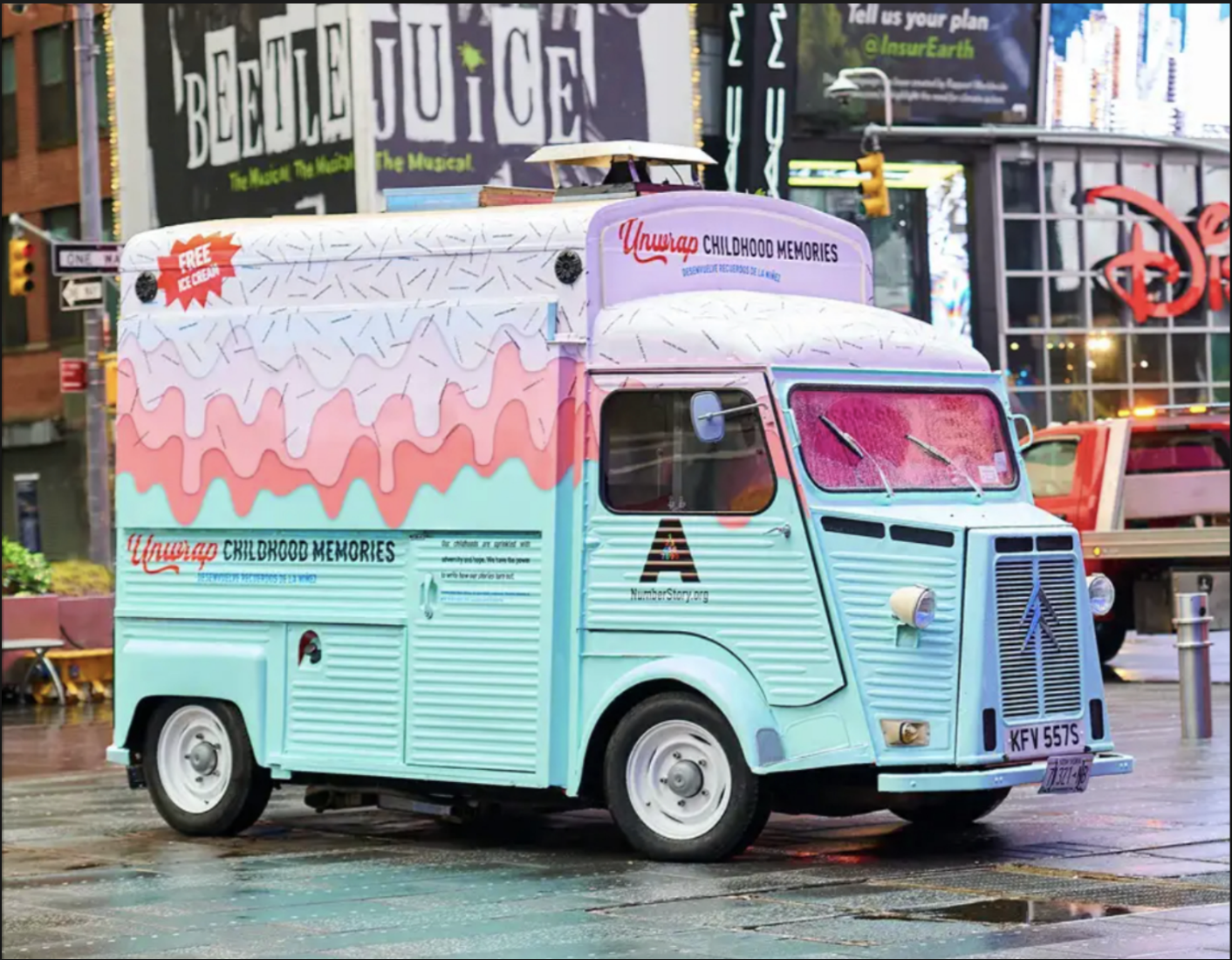
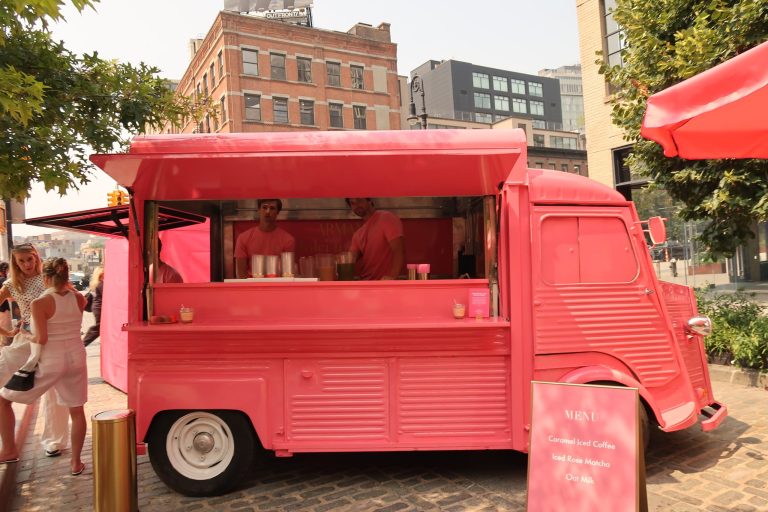
That makes placement more important than concept. A pop-up outside a store parents are already visiting intercepts a purchase decision, whereas a destination activation asks them to add a stop to an already compressed schedule. Our guide to brand activation ideas covers formats that work in that setting.
2. Contests and Giveaways for Value-Conscious Parents
Affordability is the defining theme of the season, with a majority of shoppers reporting higher prices and around half deliberately waiting for deals.
That makes this the strongest season of the year for a prize mechanic. Gift-with-purchase, gift card giveaways, and prize packages all land harder when the audience is actively hunting value, and the entry doubles as a capture mechanic. A contest that costs one prize can produce thousands of contacts during a season when parents are looking for exactly that kind of help.
3. Product Demonstrations
Showing beats telling, particularly for anything that has to fit into a household routine. A demonstration does three things at once: it shows the product working, answers objections immediately, and explains why it is worth the price at a moment when price is the dominant concern.
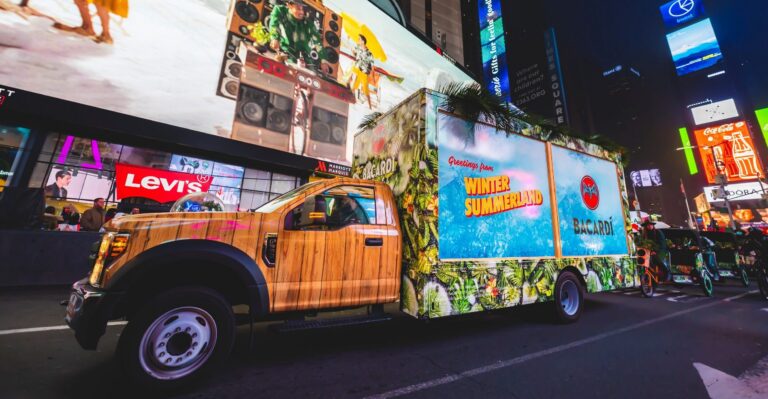
We ran a nationwide six-week campaign for Nespresso built on exactly this, using a mobile showroom to demonstrate the coffee and espresso machines while serving complimentary hot and iced coffee from Nespresso. Brand ambassadors brewing a cup in front of someone did more than any packaging claim, which is the whole argument for the format.
4. In-Store Events
An in-store event turns a shopping trip into a reason to visit, and exclusive discounts for attendees create the urgency that gets people through the door on a specific day rather than eventually.
Activities aimed at children do double duty here, since a parent will stay longer somewhere their child is occupied. That extra dwell time is what converts a quick errand into a browse.
Our guide to brand activation displays covers designing the build so the range can be taken in at a glance, which matters when a parent has minutes rather than an afternoon.
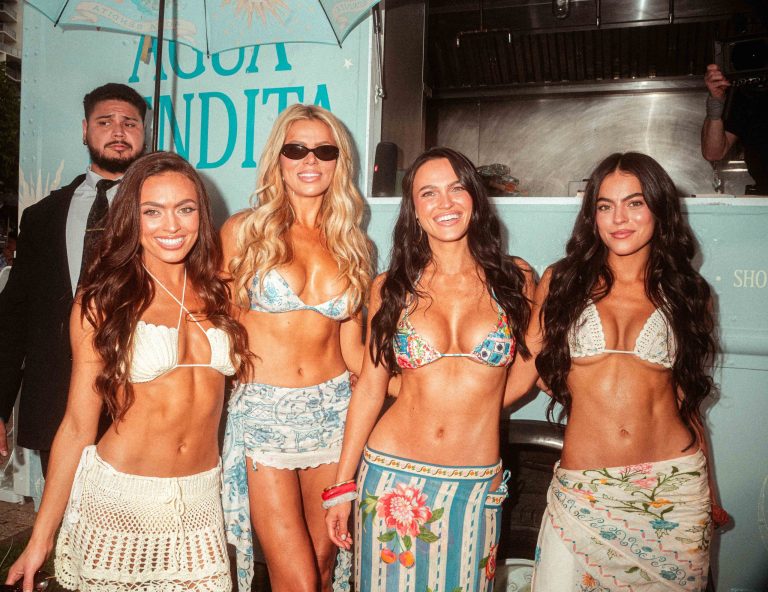
5. Celebrity and Creator Appearances
Partnering with a well-known personality who fits the brand reaches their audience as well as yours, and it gives press a reason to cover an activation they would otherwise ignore.
The mechanic works best when the appearance is announced in advance, scheduled to a defined window, and given something to do rather than simply attend. The campaign below is the clearest example we have of that done properly.
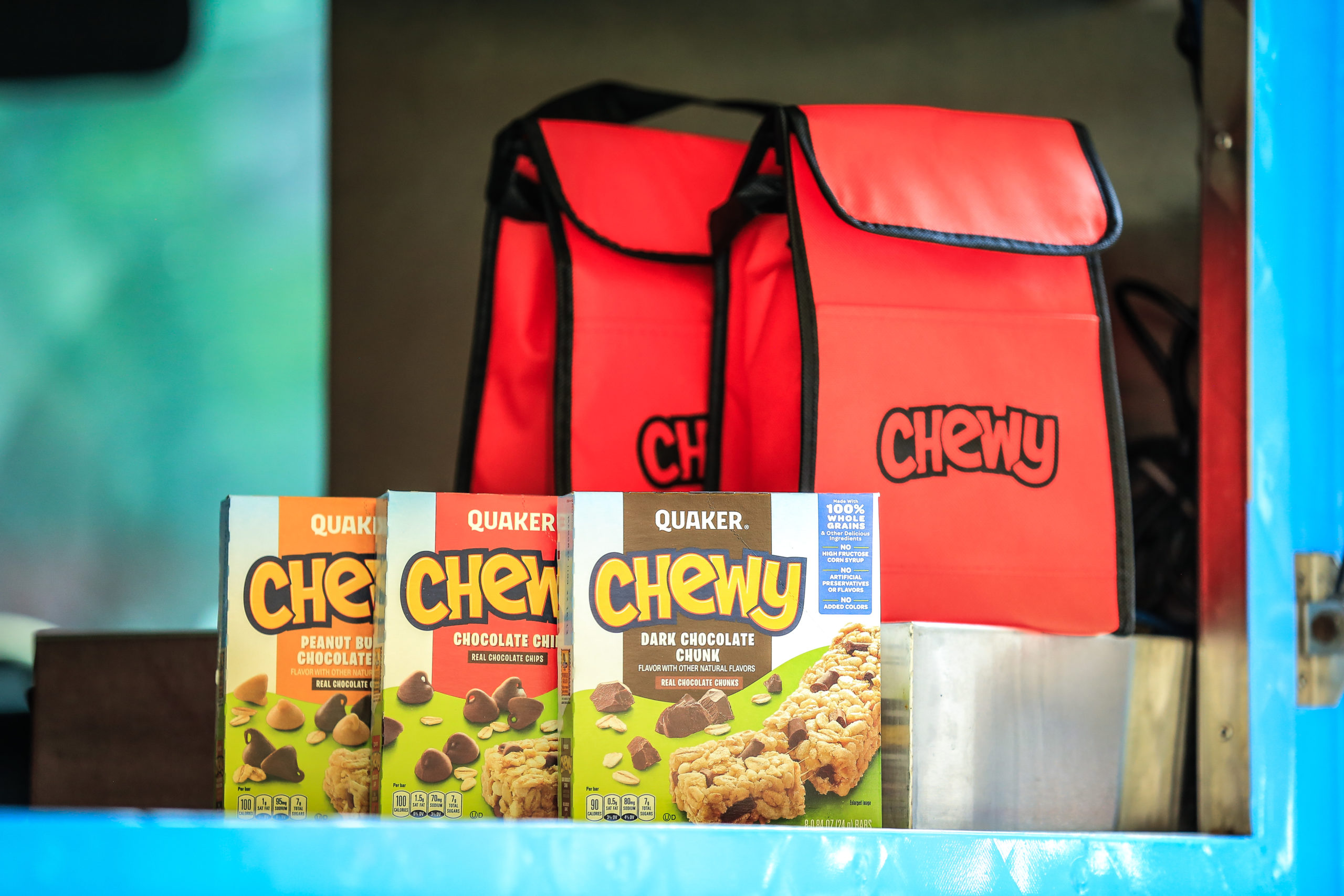
Case Study: How Quaker Chewy Gave Away 500 Boxes With a Celebrity