Services

Holiday Pop-Ups

A holiday pop-up shop is a seasonal branded activation built for the one window where customers are already out, already buying, and already in the mood. We design it, build it, place it, and run it, and we start early because December locations do not wait.

Contact

Experiential marketing partner for top brands:

Samsung logo with white letters on a blue oval background. DIOR in large, bold black serif letters on a light background. Calvin Klein logo in black sans-serif font on a light background, minimalist style. ULTA Beauty logo with "ULTA" above "BEAUTY" and a curved line under the "U. A person in a wheelchair reaches up to place a book on a high library shelf, showing accessibility. Uber Eats logo with "Uber" in black and "Eats" in green on a light background.

Customers Arrive Already Intending to Buy

Q4 is the only stretch of the year when your audience leaves the house planning to spend. You are not creating demand or interrupting anyone. You are turning up in front of people already holding a list and looking for reasons to finish it.

Cold Weather Is an Asset, Not an Obstacle

Most formats fight the season. A holiday build uses it. A warm drink or a heated space draws a line in December that the identical vehicle would not attract in July, because you are offering something people genuinely want right then.

The Season Does the Emotional Work for You

Nostalgia is already loaded before you arrive. Brands spend the rest of the year manufacturing the warmth that late November hands over for free, which means the build only has to meet the mood rather than create it.

Brand Activation Services

Pop-Up Cafes

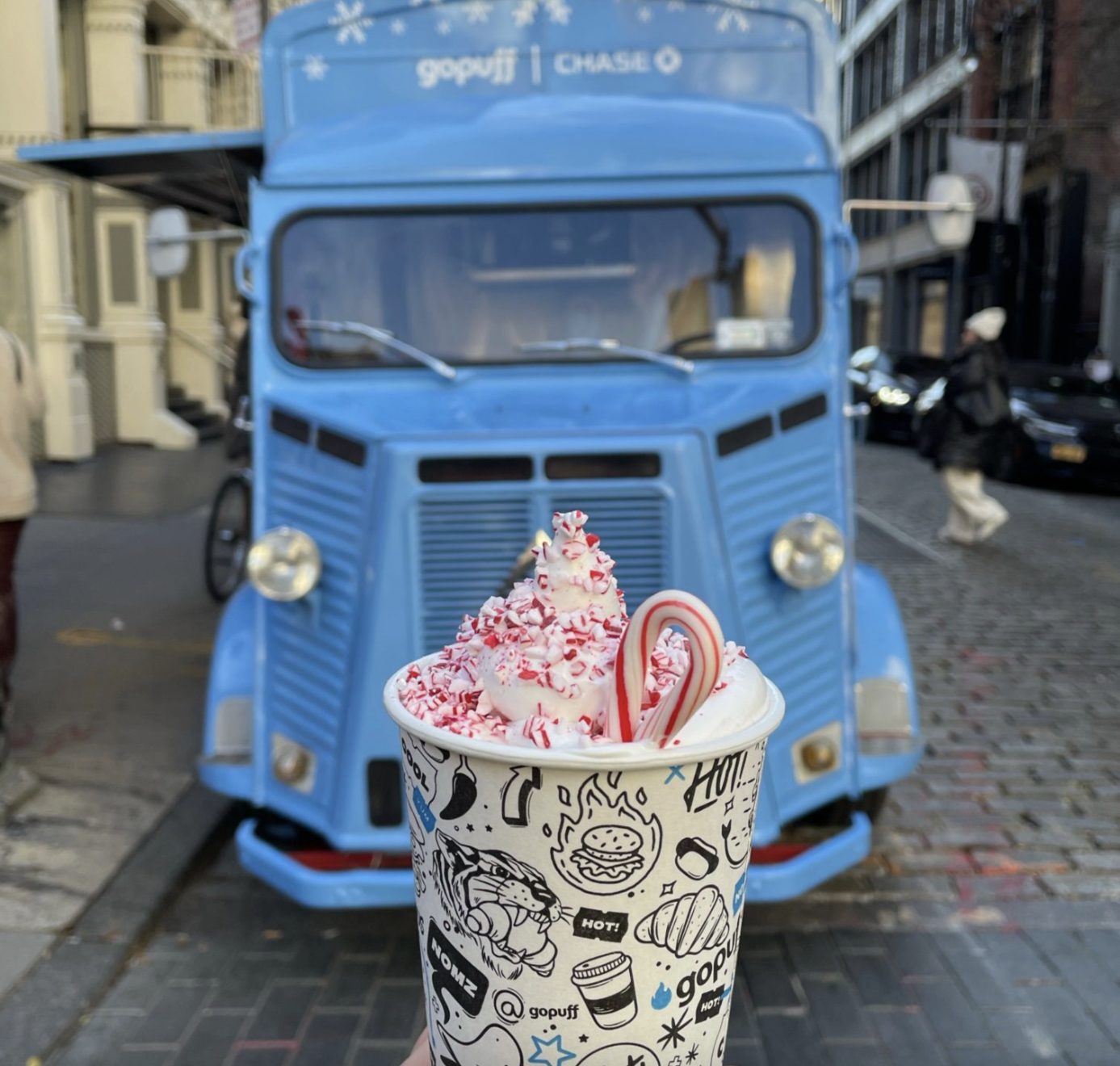
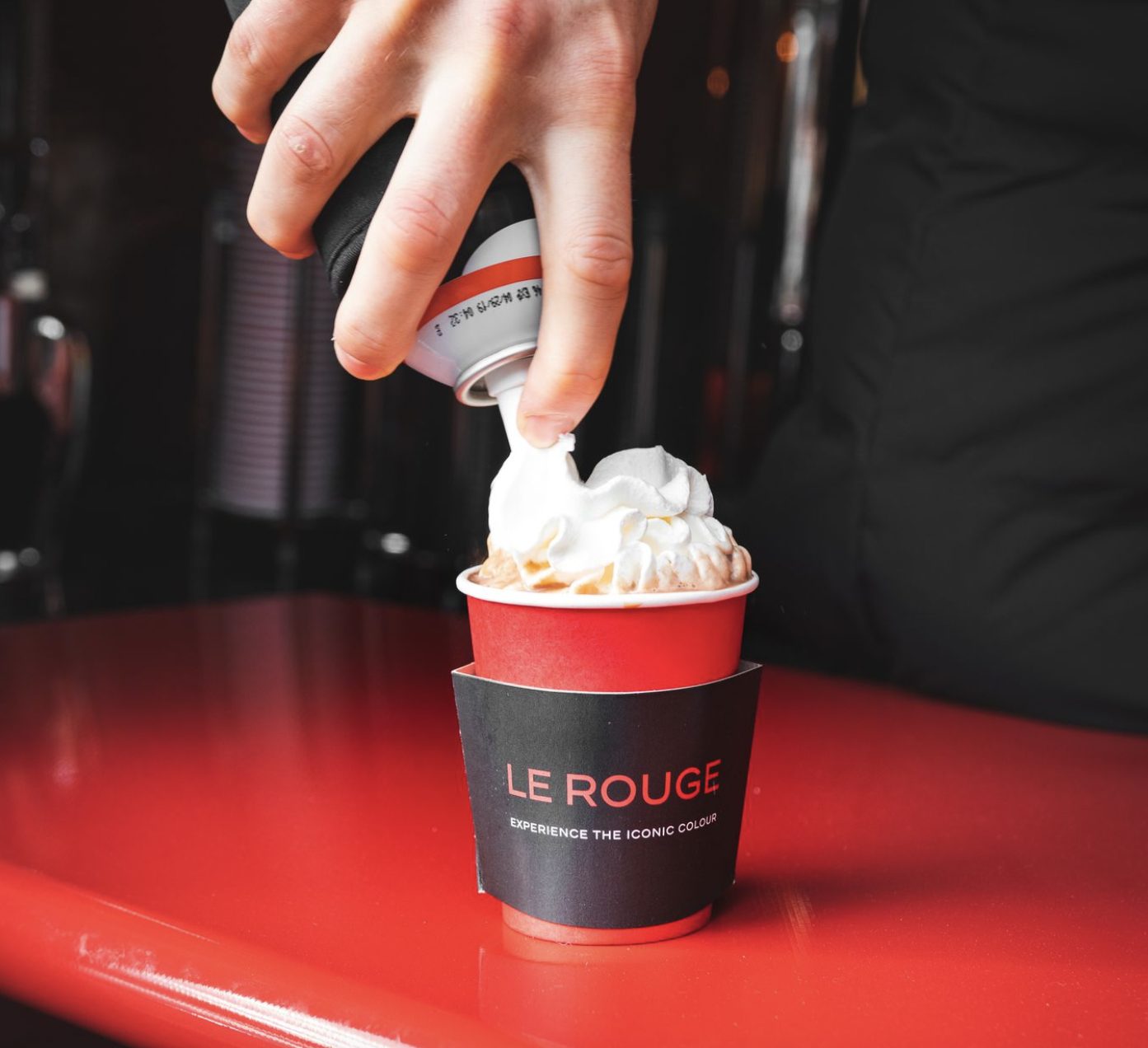
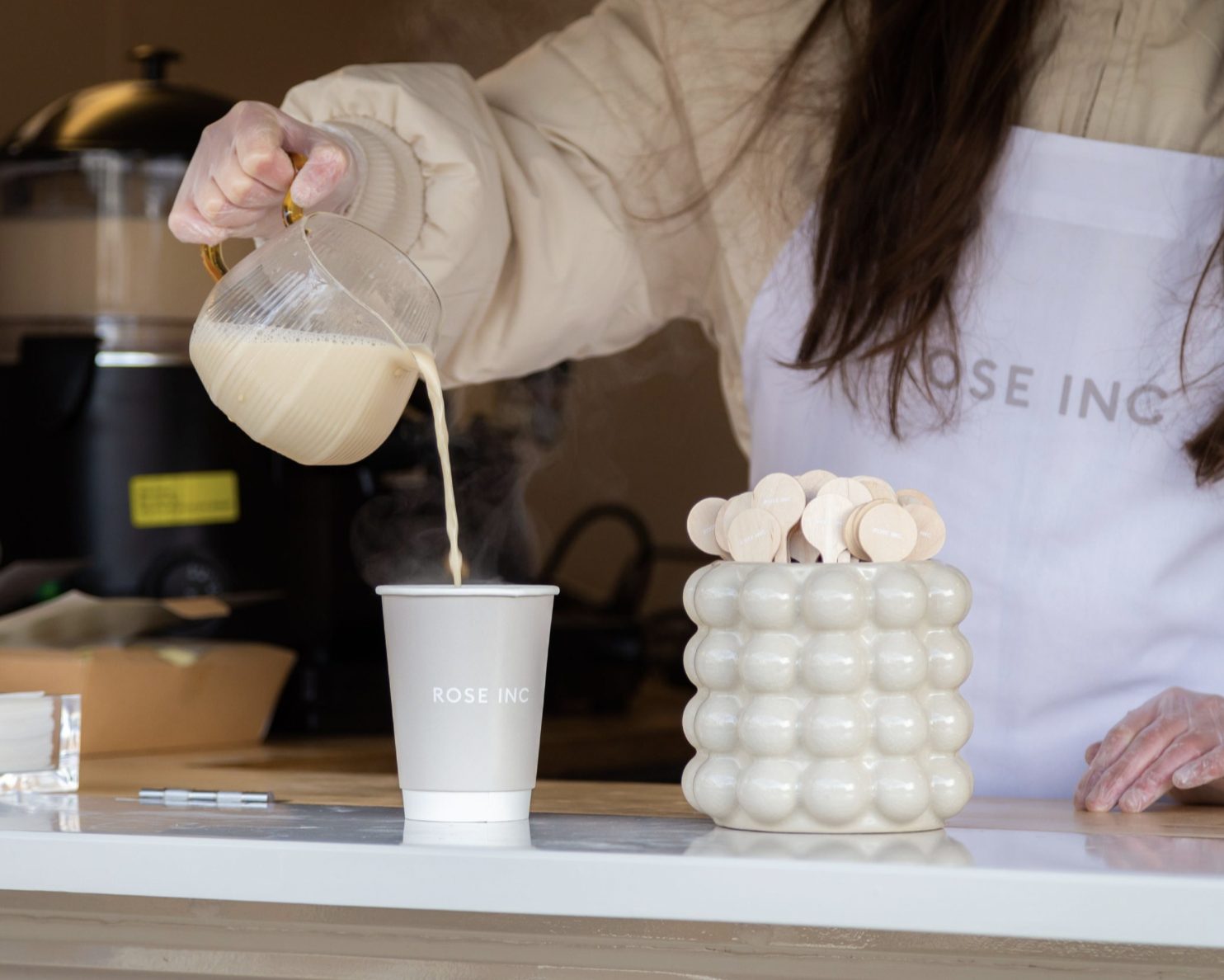
The strongest pairing in the calendar. Cold weather is what makes a warm drink irresistible, so a December cafe pulls a queue the same build would not manage in summer.

Mobile Pop-Up Shops

Holiday is retail’s deepest window. A pop-up shop turns seasonal intent into units, which is the whole reason most brands are outside in December in the first place.

Event Marketing

The season is full of them. Tree lightings, holiday markets, and parades assemble exactly the crowd you want, on a schedule that gets published months ahead of time.

Mobile Marketing Tours

How a seasonal build earns its cost. Themed fabrication only lives six weeks, so routing it through several markets is the difference between a one-off and a campaign.

Mobile Showrooms

Useful when the product is a gift that needs explaining. Shoppers in December are researching for someone else, and a showroom answers the questions a shelf cannot.

Guerrilla Marketing

The season is crowded, so standing out takes more than tinsel. An unexpected placement cuts through a month where every brand is saying roughly the same thing.

Our Process

Concept Development

A themed build lives about six weeks, so the idea has to earn that. We work out the hook that makes it feel like the season rather than a normal activation wearing a hat, and we decide early whether it needs to work in one market or travel, because that changes what gets fabricated.

Location Selection

Everyone wants the same corners in the same six weeks, so this is the step that decides your season. Shopping districts, the streets around the big holiday markets, and your own storefront are all worth having, and they all get claimed by late summer. We secure the spot before anything is built.

Customization

Themed fabrication is the longest lead item on the whole project. The build also has to actually function in the cold: covered service, a working window in bad weather, and product that survives it. A holiday vehicle designed in a warm room fails in a wet December.

Execution

The season concentrates into a handful of weekends between Thanksgiving and Christmas, so there is no slow start. We staff for peak from the first day, plan for weather that will not cooperate, and keep the service moving, because a queue in the cold gives up faster than a queue in June.

Holiday Pop-Ups FAQs

A holiday pop-up shop is a seasonal branded activation built into a vehicle and placed where Q4 shoppers already are. It runs for a short window, usually between late October and early January, and it trades on the fact that people are already out and already buying.

Eight to twelve weeks minimum, and the earlier end is safer. Themed fabrication and prime December placements compete for the same calendar, so a brand calling in early November is choosing from what is left rather than from what it wanted.

Earlier than most brands assume. The big city holiday markets open in late October, and the shopping districts fill from Thanksgiving onward. If you are planning around December itself, you have already missed the ramp and roughly half of the available placements.

Shopping districts, the streets around established holiday markets, and directly outside your own store. Anywhere the season has already gathered a crowd for you is doing half the work, which is exactly why those corners get claimed months in advance.

Yes, but the playbook inverts. In Miami and Los Angeles, December is peak season with perfect weather, so nobody needs a warm drink to stop. Cold product and shaded builds outperform, and the seasonal moment is often a cultural one rather than a weather one.

In cold markets, anything warm: coffee, hot chocolate, mulled options, or a seasonal spin on your own product. The rule is that the offer should feel like the season rather than merely reference it. A branded cup of something hot beats a branded cup of something generic.

Builds with covered service and a window that works in bad weather. Trucks and Airstreams give staff shelter and hold up in wind and rain. Carts and E-Tuks are charming and photograph well, but they need a plan for the weather rather than optimism about it.

Sometimes inside, more often nearby. Established markets have their own vendor structures and long waitlists, so the perimeter is frequently the realistic play, and it reaches the same crowd arriving and leaving. We work out which is available on your timeline.

Set one primary metric before you open, usually units or sign-ups, and count it identically across a season this short. There is no time to adjust mid-run, which is why the measurement plan gets decided at concept rather than after the first weekend.

Often yes, and it is worth designing for from the start. A build made for one December is an expensive six weeks. One designed to be re-wrapped, refreshed, or toured across markets spreads that fabrication across far more than a single season.

BRAND
TO THE
STREETS.®

Get in touch