Capabilites

Concept Development

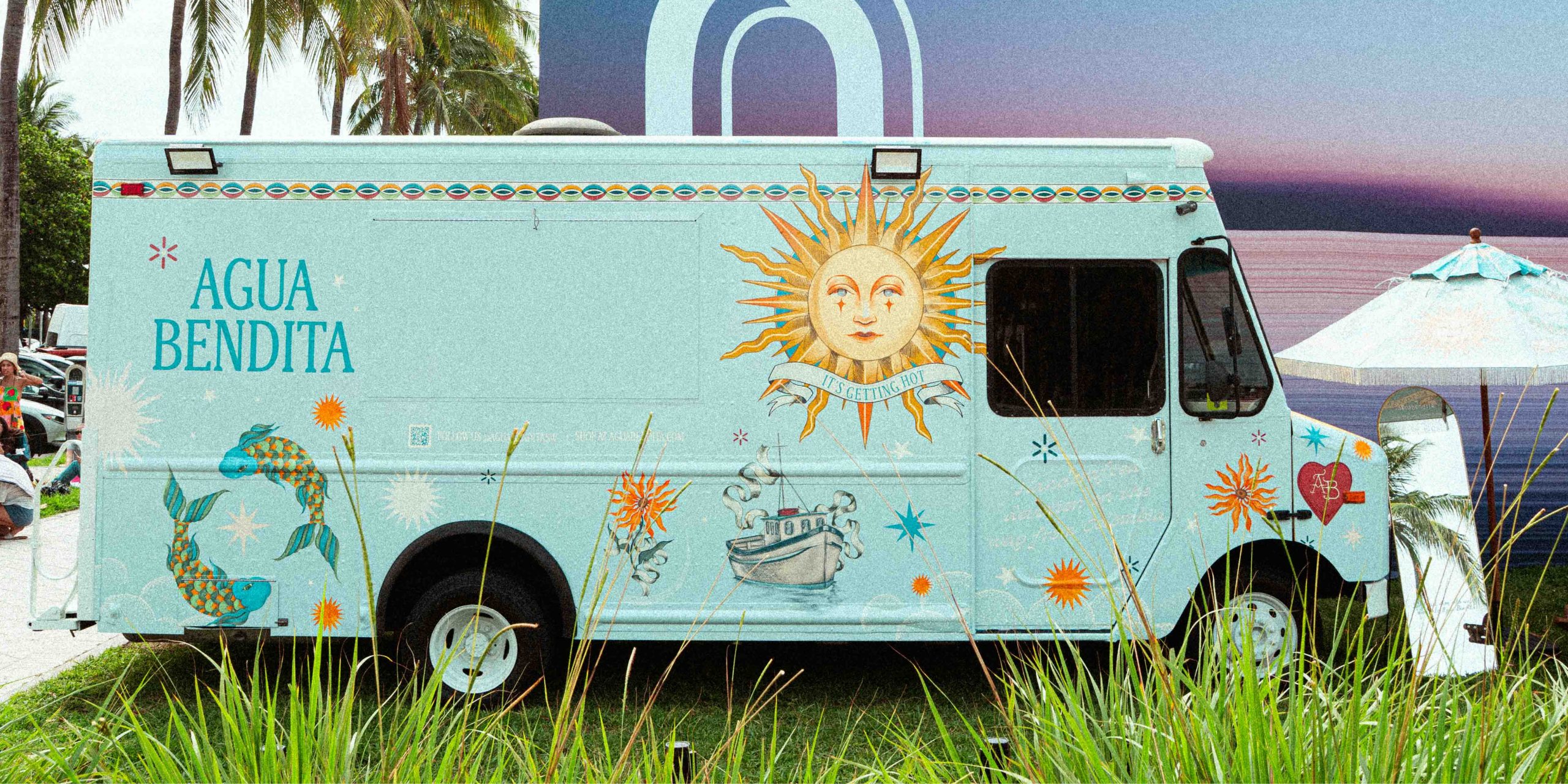
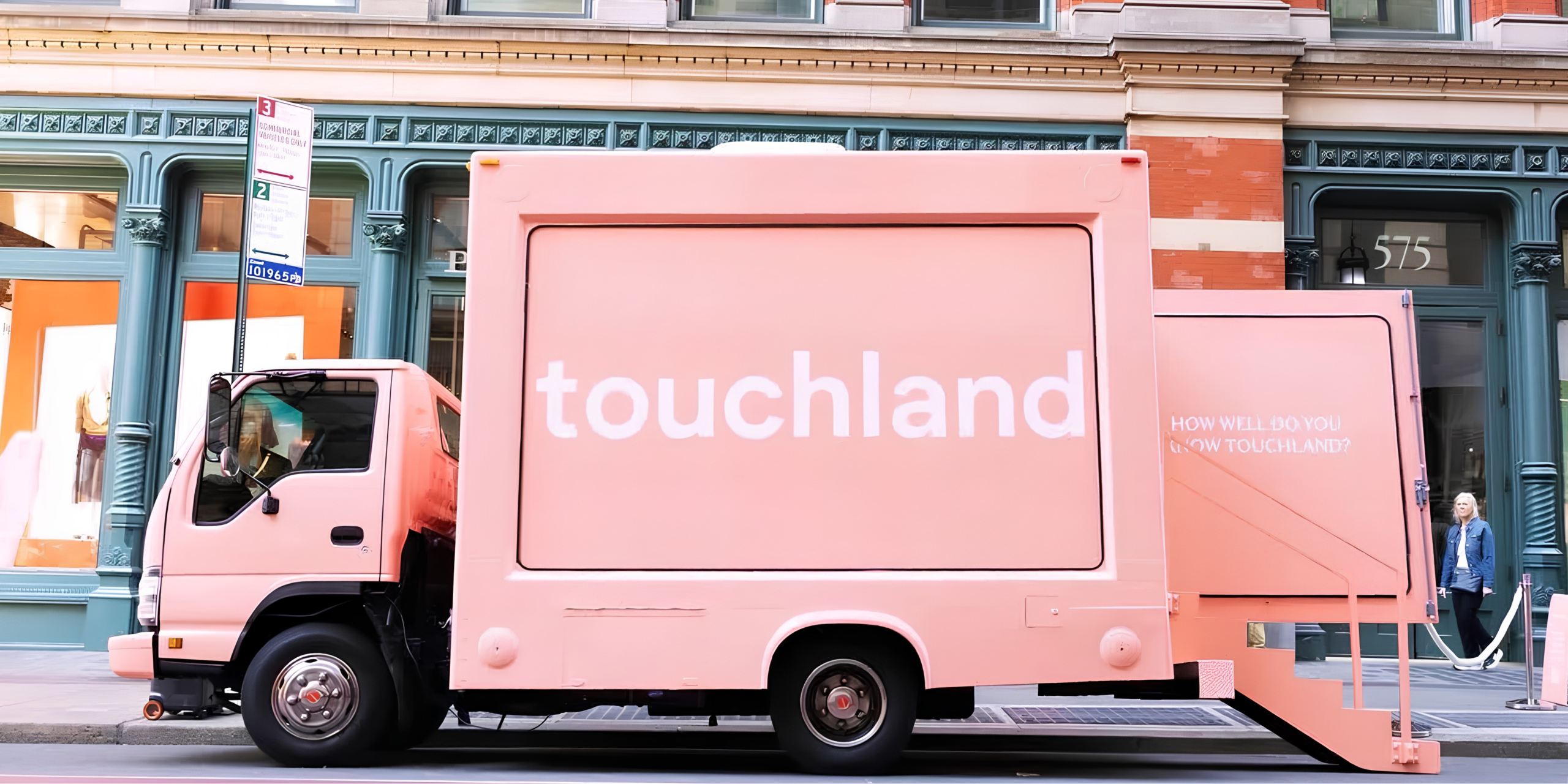
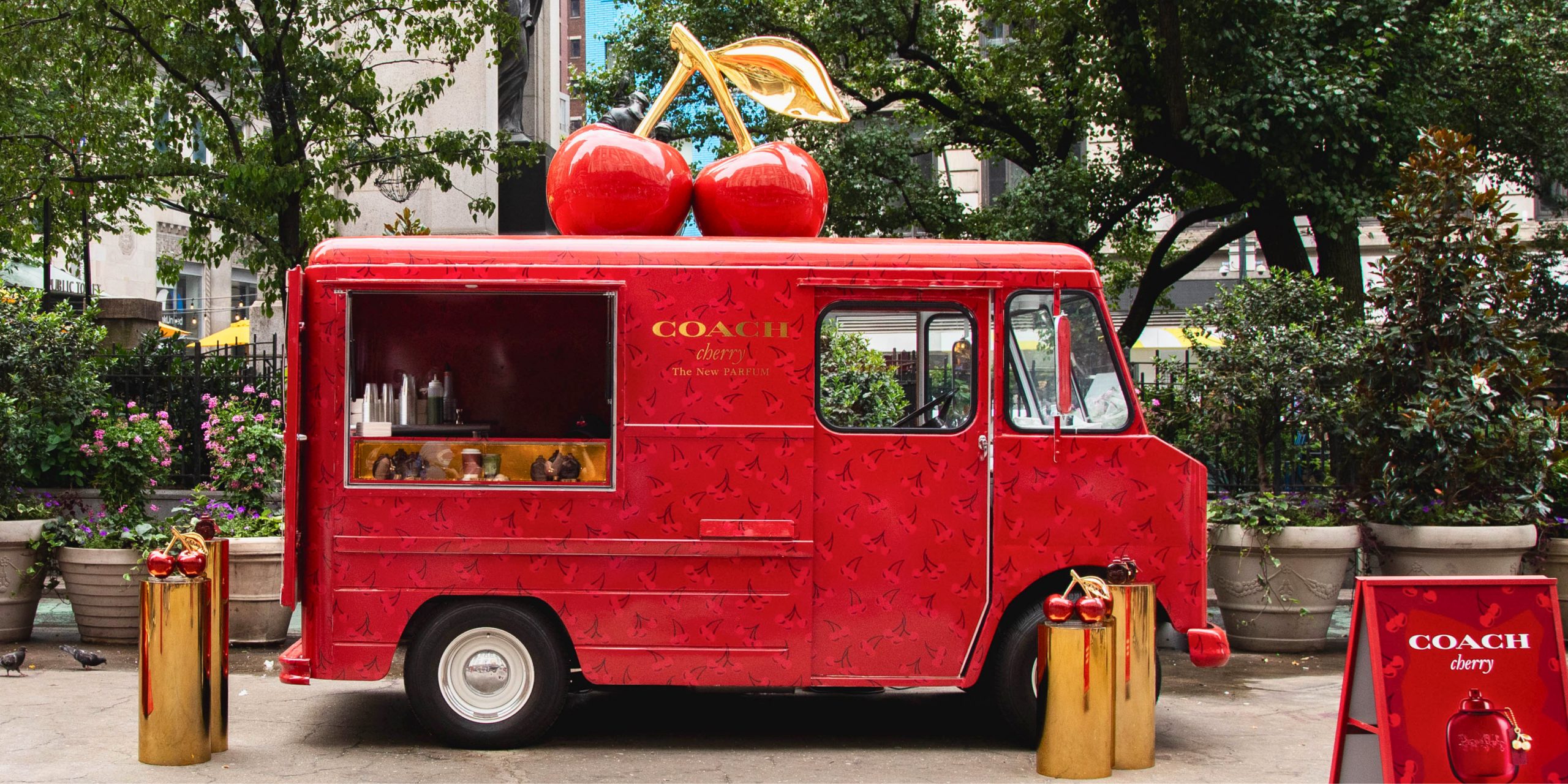
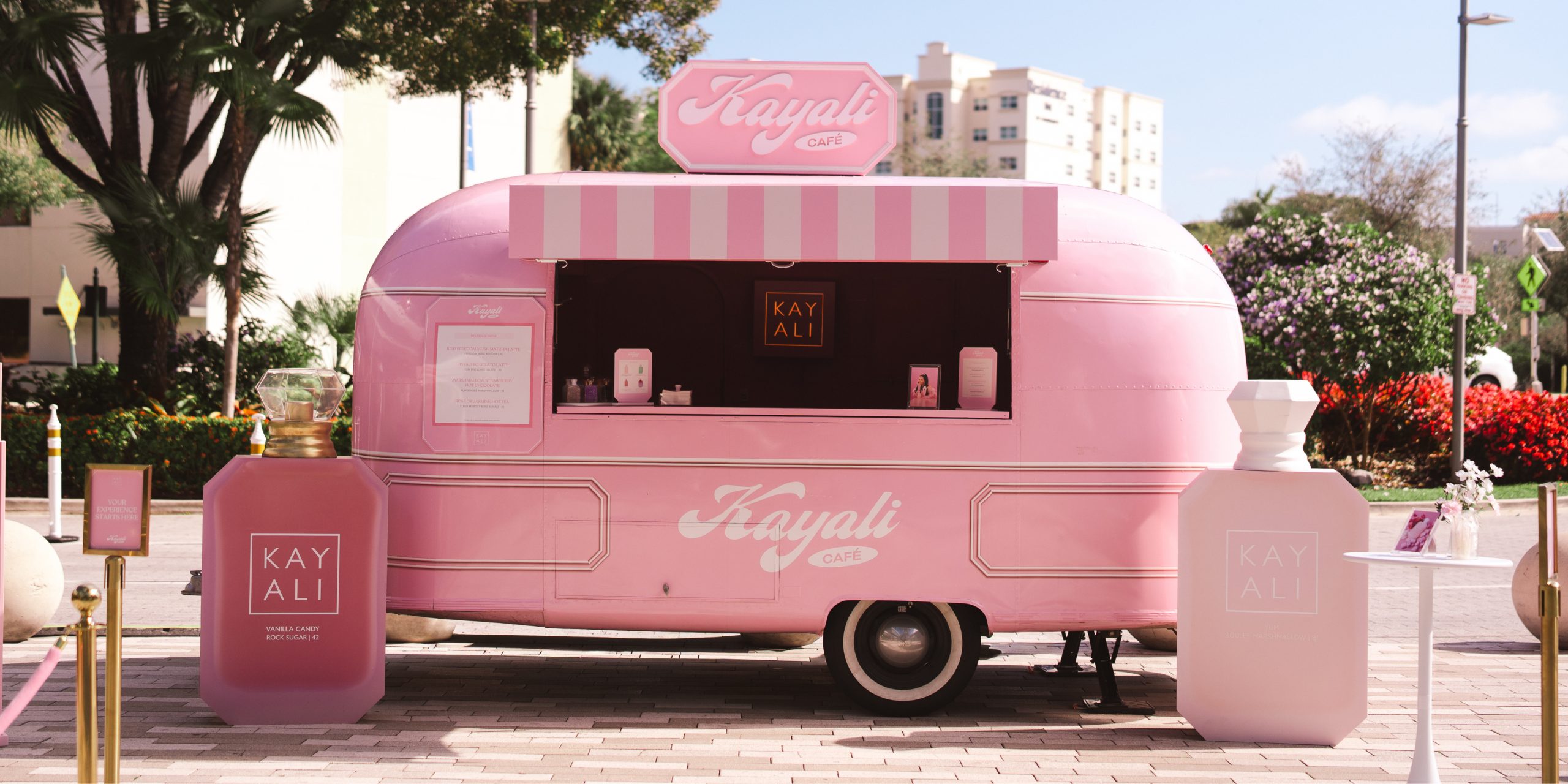
Concept development is where an activation stops being an idea and becomes something you can build, permit, and staff. We take whatever you have, a full marketing brief or a single sentence, and shape it into a mobile experience with a defined story, giveaway, and interaction.

Contact

Experiential marketing partner for top brands:

Samsung logo in white capital letters on a blue oval background. DIOR in large, bold black serif letters on a light background. Calvin Klein logo in black sans-serif font on a light background, minimalist style. ULTA Beauty logo with ULTA in large letters, BEAUTY below, and a curved line underneath. A person in a wheelchair reaches up to place a book on a high library shelf, showing accessibility. Uber Eats logo with "Uber" in black and "Eats" in green on a light background.

An Idea Is Not Yet a Concept

A theme is not a plan. We pressure-test the idea against the practical questions that decide whether it survives: what people do when they walk up, what they leave with, and what stops them in the first place. That is the difference between a mood board and something a crew can execute.

We Design Against the Constraints

Every concept meets a permit, a power supply, a load-in window, and a sidewalk width eventually. We factor those in from the start rather than discovering them after the design is approved, because a concept that cannot be permitted is not a concept.

One Team From Idea to Street

The people shaping the concept are the people who fabricate and run it. Nothing gets promised in a deck that production cannot deliver, and nothing gets value-engineered out later without you knowing why.

Brand Activation Services

Mobile Pop-Up Shops

The most common concept to develop. Retail on the road needs a merchandising plan, a checkout flow, and a reason to buy today rather than online tomorrow.

Mobile Marketing Tours

A concept that has to survive travel. What works on one sidewalk can fall flat three cities later, so we settle the story and the interaction once and build for consistency.

Guerrilla Marketing

The concept is the campaign. These live or die on the idea itself, so we spend the time there first and let the build follow the surprise.

Event Marketing

A concept that has to compete with the event around it. The crowd is already assembled and already entertained, so your moment needs a distinct reason to pull them over.

Holiday Pop-Ups

A concept built for a season and a deadline. Themed fabrication and prime December placements compete for the same calendar, so the idea has to be locked early.

Our Process

Concept Development

This is the step. We start from your goal, not from a vehicle, and work through the story, the giveaway, the interaction, and what a customer walks away with. You get mood boards, color direction, materials, and a written concept before anything moves to production.

Location Selection

Concept and location decide each other. A concept designed for a dense sidewalk is a different build from one designed for a festival field or a campus quad, so we shortlist locations while the idea is still flexible.

Customization

Once the concept is approved we move it into 3D renderings and fabrication drawings, so what you signed off on is what gets built. Changes are cheap at this stage and expensive later.

Execution

The concept is only proven in market. We run it on the ground and capture what actually happened, so the next activation starts from evidence rather than from a blank page.

Concept Development FAQs

Concept development is the stage where a brand goal becomes a buildable activation. It defines the story, the physical environment, the customer interaction, and the takeaway, then tests all of it against permits, power, space, and staffing before anything is fabricated.

No. Some brands arrive with a full marketing plan and a deadline, others with a product and a target city. Both are workable. The less defined the idea, the earlier the conversation should happen, because concept work shapes budget more than any later stage.


Usually one to three weeks depending on complexity and how fast approvals move on your side. Simple sampling concepts move quickly. A custom build with a fabricated interior needs longer, because the concept has to resolve into drawings before production can quote it.


A written concept covering the story and customer journey, mood boards and color direction, materials and vehicle recommendation, and a shortlist of locations. For most projects this moves directly into 3D renderings for final approval.


You do. The creative is developed for your brand and your campaign. We reuse process and production knowledge across clients, never concepts, environments, or creative built for another brand.


Yes, and often we do. If you already have a campaign platform or creative from another partner, we adapt it into a physical environment that works on a street rather than on a page, and flag anything that will not translate.


More than any other stage. The concept decides the vehicle, the fabrication scope, the staffing level, and the number of markets. Making decisions here is what prevents a budget surprise once drawings and quotes exist.


A clear reason to stop, something to do or receive, and a moment worth photographing. Concepts fail when they are visually interesting but give people nothing to participate in, or when the brand message is buried behind the giveaway.


Yes. If the concept calls for a culinary moment, that is developed alongside the environment rather than bolted on afterward, because service flow and queueing shape the layout of the build.


That is what renderings are for. You approve a realistic visual before fabrication starts, and revisions at that stage are straightforward. Changes after the build has begun are the expensive kind, which is why we resolve the concept properly first.

TAKE YOUR BRAND TO THE STREETS.®

Get in touch