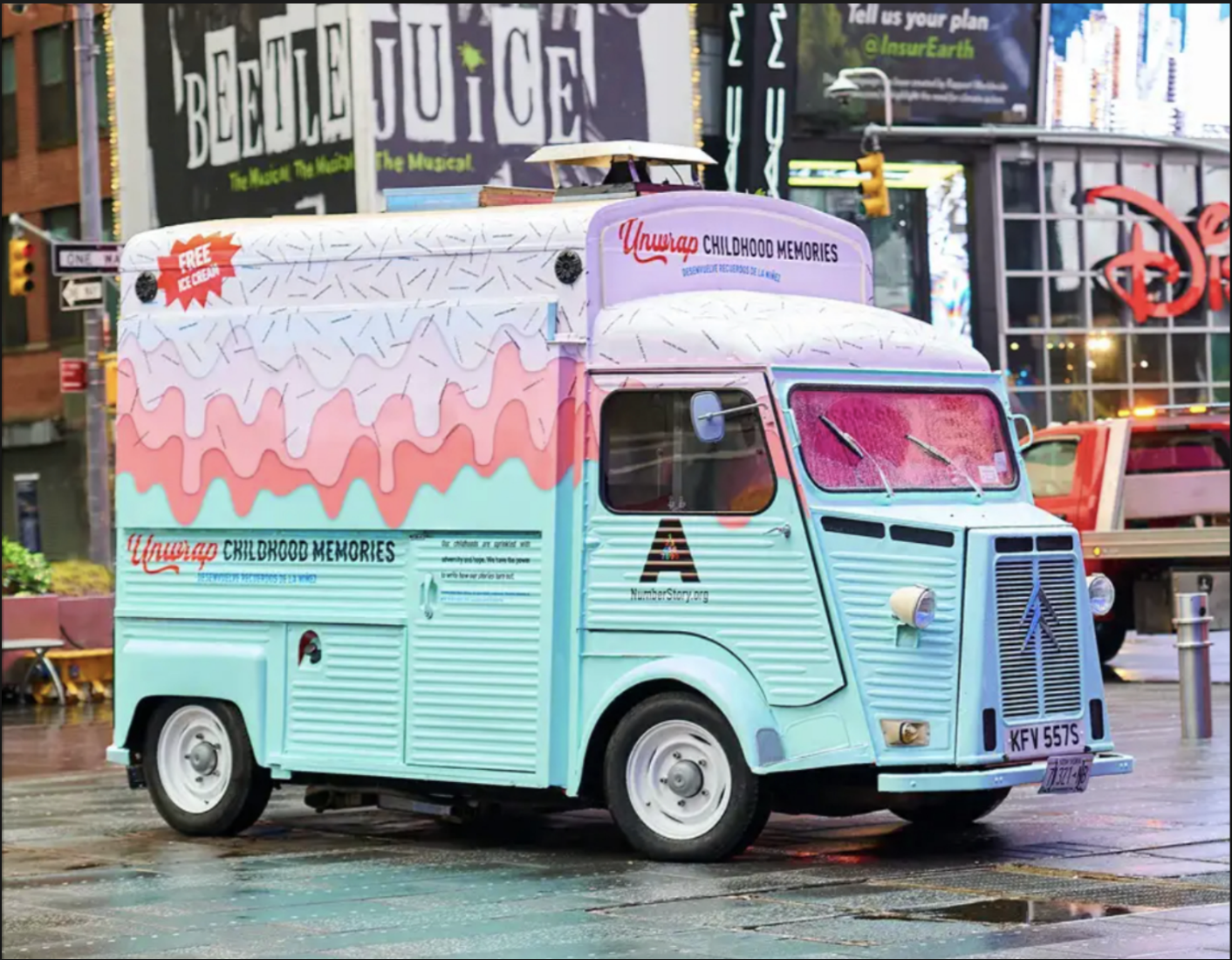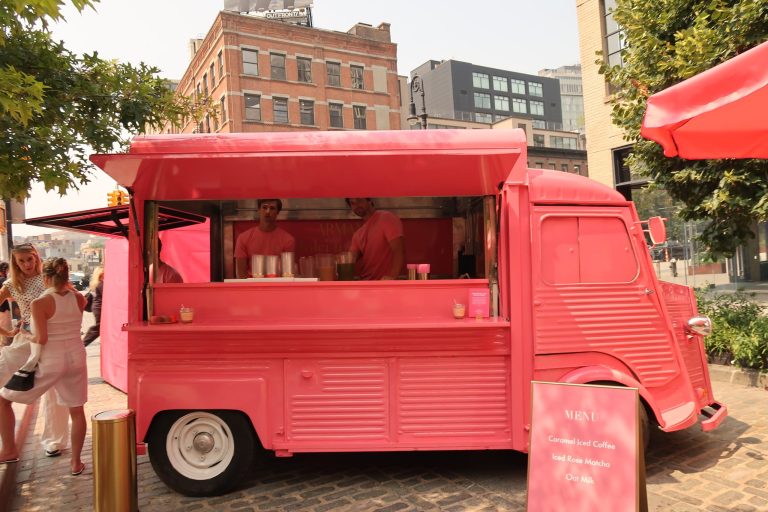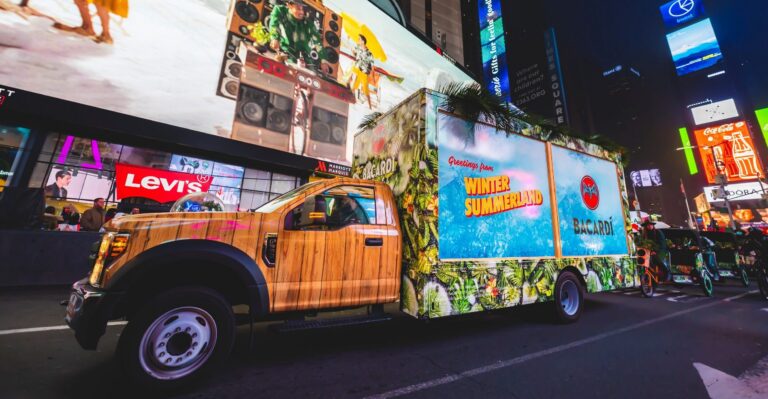
Bring on the Cozy! 5 Custom Food Trucks for Promotional Winter Fun
Winter might bring chilly air and shorter days, but for brands, it also brings one of the best opportunities of the year to connect with
The back to school season marks a new chapter, and for businesses, a new marketing opportunity. If your brand targets students, Gen Z, or the parents shopping for them, the right back to school marketing ideas can turn August and September into one of your strongest sales windows of the year. This guide covers how back to school marketing works, when to start, who you are really talking to, and the campaigns and ideas that leave a lasting impression on a hard-to-reach audience.
Back to school marketing is any campaign timed to the return-to-school season, roughly July through September, that targets students, college shoppers, or the parents buying for them. It spans apparel, tech, food, and dorm and lifestyle products, and it works best when a brand reaches this audience in person through experiential marketing, not just another social ad.
Back to school is one of the largest retail spending seasons of the year, behind only the winter holidays. Families restock on apparel, electronics, dorm and apartment furnishings, and everyday supplies, and college students spend heavily as they set up for the year.
Even if your product does not fit the season at first glance, there is almost always a creative angle. If you sell granola bars, back to school is the perfect time to position your product as the ideal school snack. The point is to connect your brand to the back to school moment, even when you are not a traditional school-supply company.
In the United States, the back to school season can begin as early as July and run as late as mid-to-late September, depending on the state. Shoppers tend to be most active from late July through early August, so the earlier you launch, the better positioned you are to capture intent before the rush. There is no single start or end date, which is exactly why an early, well-planned campaign wins attention while competitors are still getting organized.
At the same time, an incredible $9.7B is spent on dorm and apartment furnishing, and each average student spends a total of around $1.2K on apparel, electronics, and home and living products during the back-to-college season. If you’re a business focused on selling any of these amenities, you can capitalize on back to school.
Gen Z appreciates the unconventional, so a successful back to school promotion means reaching this audience in a way that leaves a lasting impression. That can be hard if you are not part of the generation or plugged into its trends.
A common misconception is that because today’s 14 to 22 year olds grew up with the internet, the only way to reach them is digital. You are almost guaranteed to reach this audience on social media, but you may not leave as strong an impression as you would through a more memorable channel. Remember the second audience too: parents control much of the back to school spending, so campaigns that win over students and reassure parents capture the full opportunity.
Social media advertising is one tactic, and it can work, but it is also saturated. If you have leaned on social campaigns before and want something that resonates, mobile brand activations, and experiential marketing more broadly, may be the better fit.
By partnering with an experiential team, you create a unique, in-person experience that this young, unorthodox audience values more than the same old feed. The bonus is that immersive activations are built to be enjoyable in person and easy to capture and post, which matters because Gen Z is still the generation most active on TikTok and Instagram.
Looking for concrete back to school marketing ideas? These formats consistently perform with students and parents:
In the United States, you can expect the back to school season to begin as early as July and as late as the mid-end of September depending on the state.
As for back to school shopping, you can predict for shoppers to be most active during late July til early August for the 2022-2023 school year. This means that the earlier you jump on the bandwagon, the better— but there’s no clean-cut start or end-time.
Suffice to say, Gen Z appreciates the unconventional. So, when you’re thinking about how to execute a successful back to school promotion, you should really be brainstorming ways to communicate with this demographic in a way that leaves a lasting impression, which can be hard to do if you’re not a part of the generation, or up with the latest trends, yourself.
What’s often misunderstood about today’s 14 to 22 year olds is that because this is a generation that grew up with the internet and can hardly remember a time without social media, the best way to reach them is through the digital space. And yes, while you’re pretty much 100% sure to reach this target audience through social media, you may not be leaving as strong of an impression as you would through a different focus.
Of course, social media advertising is one tactic, and it can be successful, but by the same token, it’s a marketing approach that is overdone and saturated.
If you’ve used social media campaigns in the past, and are looking for something different that resonates, mobile brand activations— and experiential marketing at large— might be the perfect option for you.
By partnering with Food Truck Promotions, you get the opportunity to create a unique, in-person experience that this young, unorthodox demographic values more than the same old Internet and social media approach.
What’s perfect about immersive brand activations, too, is that it creates an experience that is geared more towards an enjoyable and memorable in-person experience while also being easily captured and posted on social media. Because let’s face it, at the end of the day, Gen Z is still the generation most active on Tik Tok and Instagram.
Here are real on-campus, student-directed campaigns our team has executed. Use them as inspiration for your next activation.
Below we’ll reminisce on some on-campus, student-directed marketing our team has done in past years. We hope that some of our work brings you inspiration for your next marketing campaign!
We partnered with Hawaiian beverage brand Shaka Tea to grow its awareness on the US mainland, which led to a cross-country mobile tour. The tour started in Seattle, then stopped in Denver, Miami, and Charlotte. In Charlotte, the Shaka Tea truck drove around the University of North Carolina’s campus to reach the late-teen to early-twenties audience. The eye-catching truck and the promise of free iced tea on the first day of class drew thousands of students and tied the brand to the excitement of back to school.
Alpha Foods offers plant-based alternatives to classic meat-based foods, a lifestyle that resonates with younger generations. To get its “meatless meals in minutes” into the hands of California college students, the brand partnered with us for high-volume sampling. The activation included a branded, signable photo frame that encouraged students to interact while waiting in line, which drove organic social media coverage.
To promote its new Waffle clothing line, Aerie stopped at college campuses across the country during the fall, including Boston University, George Washington University, and Ohio State. The brand drew large crowds by handing out Belgian Boys waffles along with Aerie socks and coupons from a standout experiential vehicle.
Schmooze is a fast-growing dating app that matches people based on their taste in memes. We felt this modern approach to match-making belonged on college campuses, so we branded a cart and brought Schmooze to MIT, Northeastern, Harvard, and Boston University, building awareness in an unconventional, memorable way.
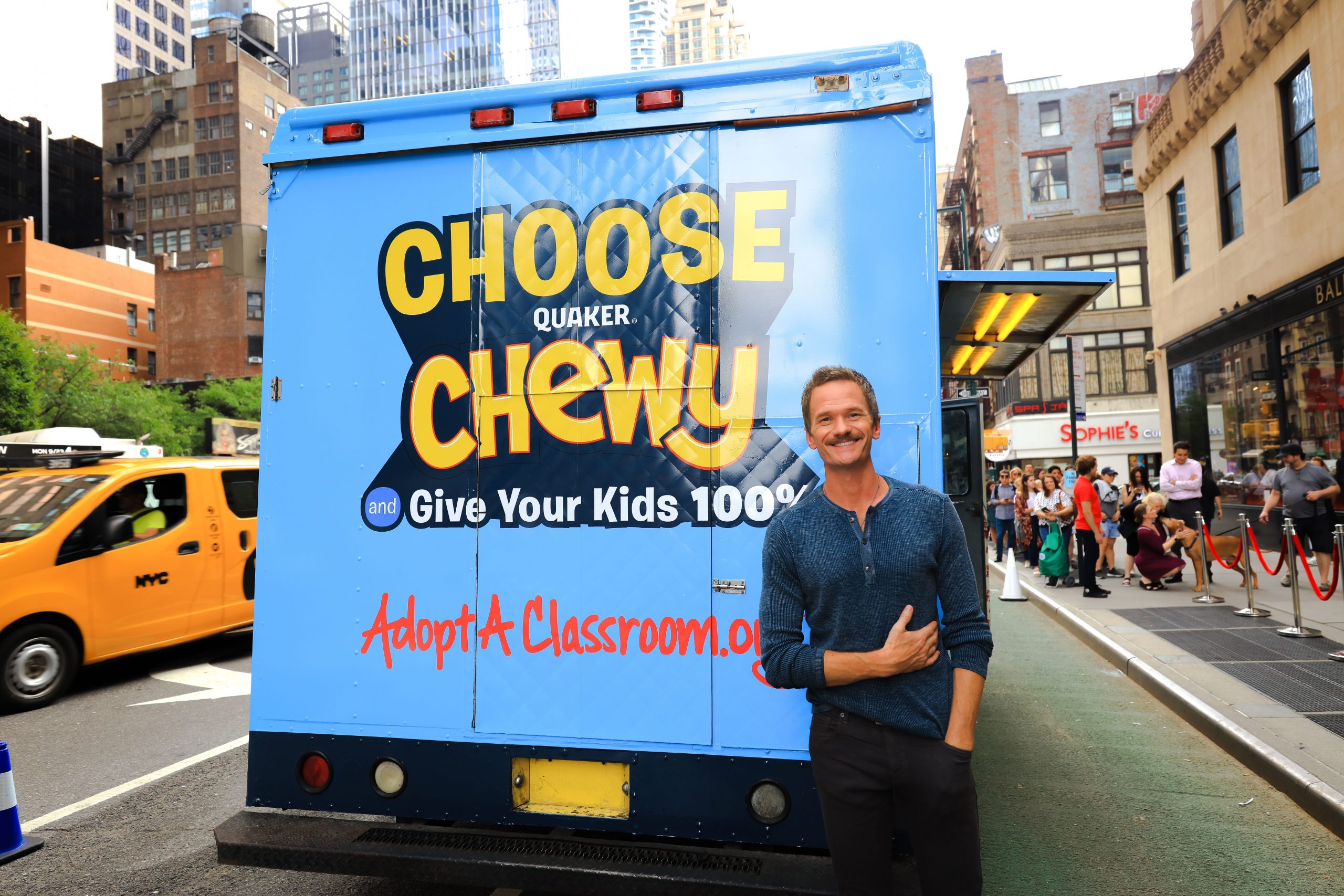
We helped Chewy capitalize on back to school momentum by giving out Chewy bars and lunchboxes in New York City, reaching kids, students, and parents while fundraising for Adoptaclassroom.org. The person handing out lunchboxes and Chewy bars was none other than Neil Patrick Harris. By positioning the bars as the perfect school snack and supporting a good cause, the campaign raised thousands of dollars for Adoptaclassroom.org and reinforced a positive brand image.
When you target elementary, high school, or college-aged students, it matters how you communicate and when you do it. Back to school is a short, high-intent window, so a creative, in-person campaign that reaches students where they are, and reassures the parents paying the bill, can deliver outsized results. Contact us if you are interested in experiential marketing on wheels for your next back to school activation.
Back to school marketing is any campaign timed to the return-to-school season, roughly July through September, that targets students, college shoppers, or the parents buying for them. It often spans apparel, tech, food, and dorm products, and performs best when it reaches the audience in person.
In the US it can begin as early as July and run into mid-to-late September, depending on the state. Shoppers are usually most active from late July through early August, so launching early helps you capture intent before the rush.
Top performers include campus mobile tours, interactive product sampling, pop-up shops for busy parents, giveaways and contests, live product demonstrations, cause-driven activations, and move-in or GameDay tie-ins that meet students where they gather.
Apparel, tech, food and beverage, and dorm and lifestyle brands are natural fits, but almost any brand can find an angle. A snack brand can position itself as the ideal school snack, for example. The key is connecting your product to the back to school moment.
Reach Gen Z where they gather, on campus, with an experience worth sharing. This audience grew up online and scrolls past most ads, so an in-person activation that is fun to capture and post cuts through better than a social-only approach.
Both. Students decide what is cool and drive demand, while parents control much of the spending. The strongest back to school campaigns give students a reason to care and give parents a reason to buy.
It creates a live, memorable moment instead of another ad. Sampling, demos, and on-campus activations let students experience the product, build trust, and generate social content, which extends reach well beyond the people who attend.
Start planning several weeks out. Campus permits, vehicle builds, locations, and staffing all take lead time, and the best campus dates and move-in windows fill up fast. Early planning means a more intentional, better-placed campaign.
Cost depends on the format, the number of campuses or markets, the length of the activation, and staffing. A single-campus pop-up costs far less than a multi-campus tour. The best approach is to scope the campaign to your goal and budget.
Set metrics before launch, then track foot traffic and interactions, lead capture through QR scans and sign-ups, conversions from a unique code, and social reach through hashtags and shares. Tie each metric back to your original goal.

Winter might bring chilly air and shorter days, but for brands, it also brings one of the best opportunities of the year to connect with

In a world where people are craving real‑world interaction and memorable moments, finding ways to connect them with your products or brand has become more
In a world where consumers crave novelty, connection, and memorable interactions, mobile pop-up shops are quickly becoming one of the most powerful tools in experiential
We use and share personal information through cookies and similar technologies on our sites to personalize your shopping experience and ads. Others may use this information for their own marketing and business purposes. . Check our Privacy Policy for more details.
Browser Opt-Out Honored
We use and share your personal information with others to personalize your shopping experience and show you targeted ads on other sites based on your interests and online activities.
Online Info includes cookies, pixel tags, and similar technologies connected to your browser or device. Offline Info includes information associated with your email address based on your other interactions with us.
We use and share your personal information with others to personalize your shopping experience and show you targeted ads on other sites based on your interests and online activities. Information includes cookies, pixel tags, and similar technologies connected to your browser or device (Online Info), as well as information associated with your email address based on your other interactions with us (Offline Info). Others may use this information for their own marketing and business purposes.
You can choose to opt out of sharing one or both types of information.