Creative brief and objective
One sentence stating what a visitor should do, agreed before any idea is drawn.
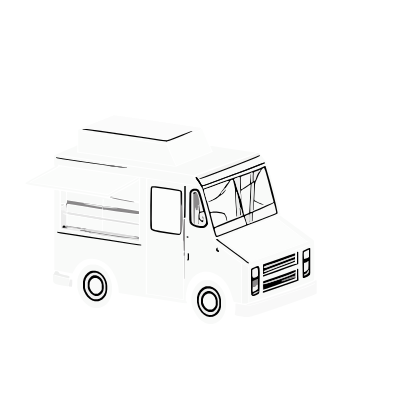
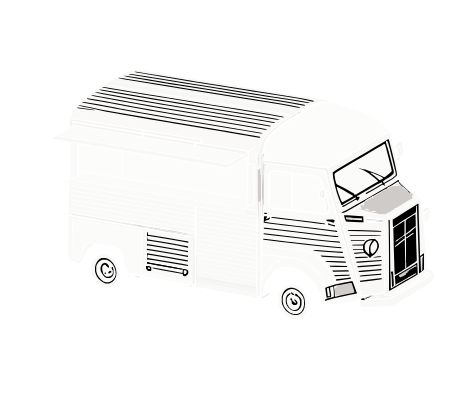
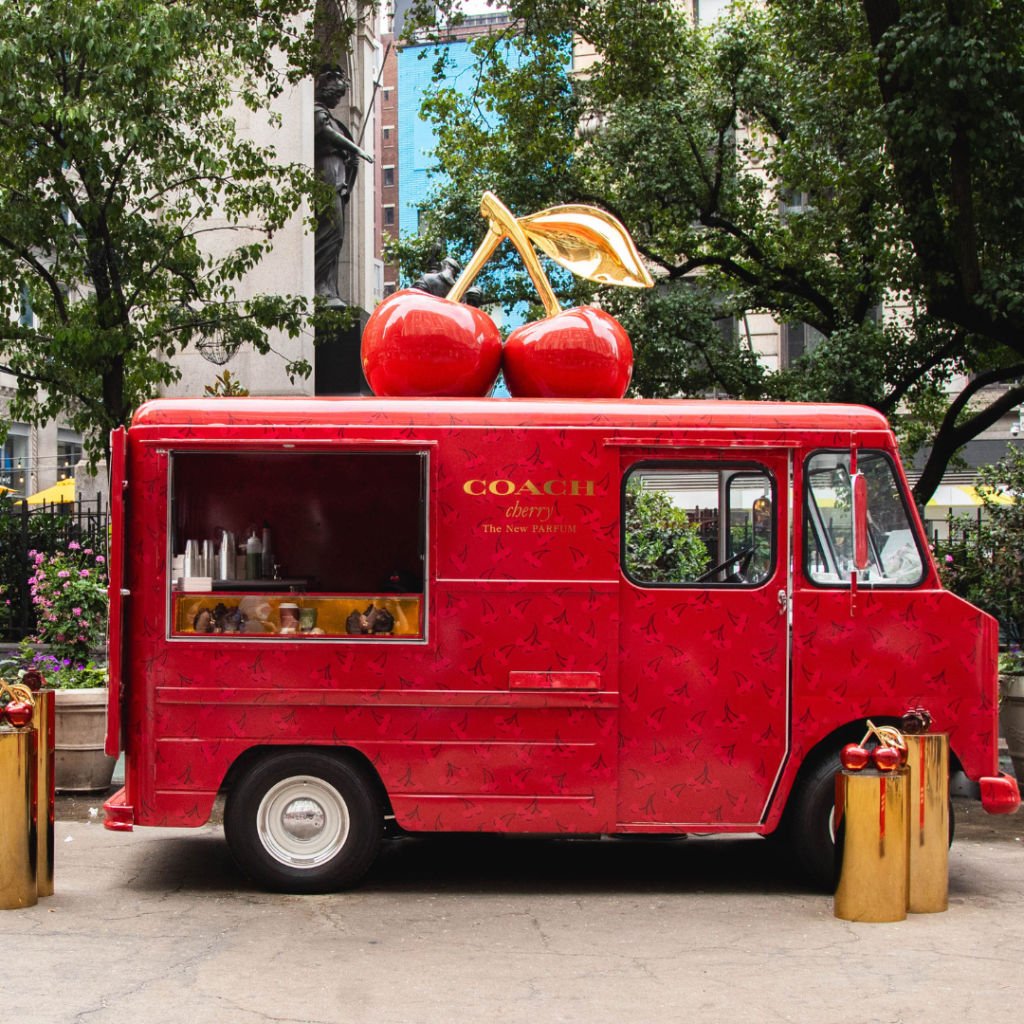
Experiential marketing concept development is the work of turning a brief into an activation idea that holds up on a real street: the vehicle, the mechanic that gets a visitor to act, the reason the queue forms, and the reason it gets photographed. At Food Truck Promotions the concept is drawn by the same team that will render, build, permit, and run it, so nothing is proposed that cannot be delivered.
One sentence stating what a visitor should do, agreed before any idea is drawn.
Pop-up shop, tour, cafe, showroom, sampling, or guerrilla, chosen for the goal rather than the look.
Which of our ten formats suits the concept, the footprint, and the city.
The scan, sample, sign-up, or redemption that turns a visitor into a number.
What a visitor sees from across the street, in the queue, and at the counter, in that order.
A short deck with the idea, the vehicle, the mechanic, and a realistic cost band.
Every capability on this site runs through the same five steps, because every activation does. The step this page covers is one of them. The rest are done by the same team, in the same building, which is the reason a rendering approved in week one is what arrives on the street in week eight.
Concept Development in Practice
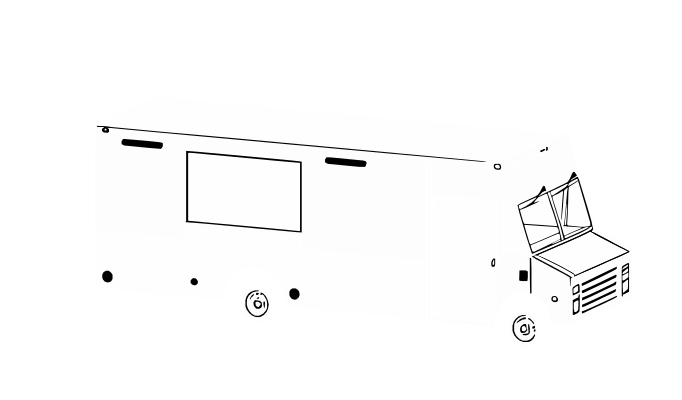
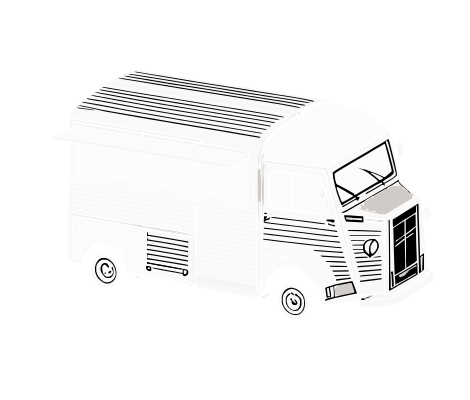
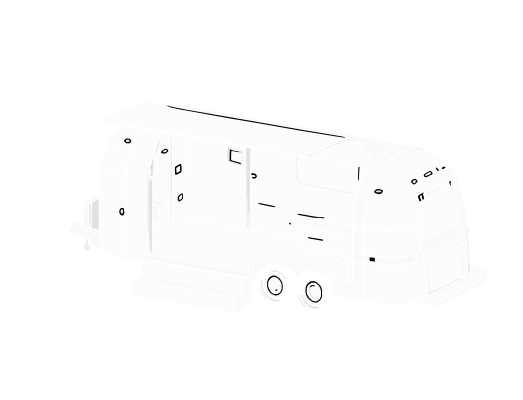
To mark National Ice Cream Day, Booking.com wanted something people would talk about rather than walk past. The concept started from the date itself: two guests could stay overnight on 7/18 for $7.18. We gutted a food truck and built an ice cream themed hotel room with a queen-size waffle bed, a bookshelf dresser, a stocked freezer, and a life-size cone on the roof, then opened it to the public in Union Square the next morning with flavors inspired by travel destinations. The concept did the publicity work before the truck ever moved.
Read the Booking.com case study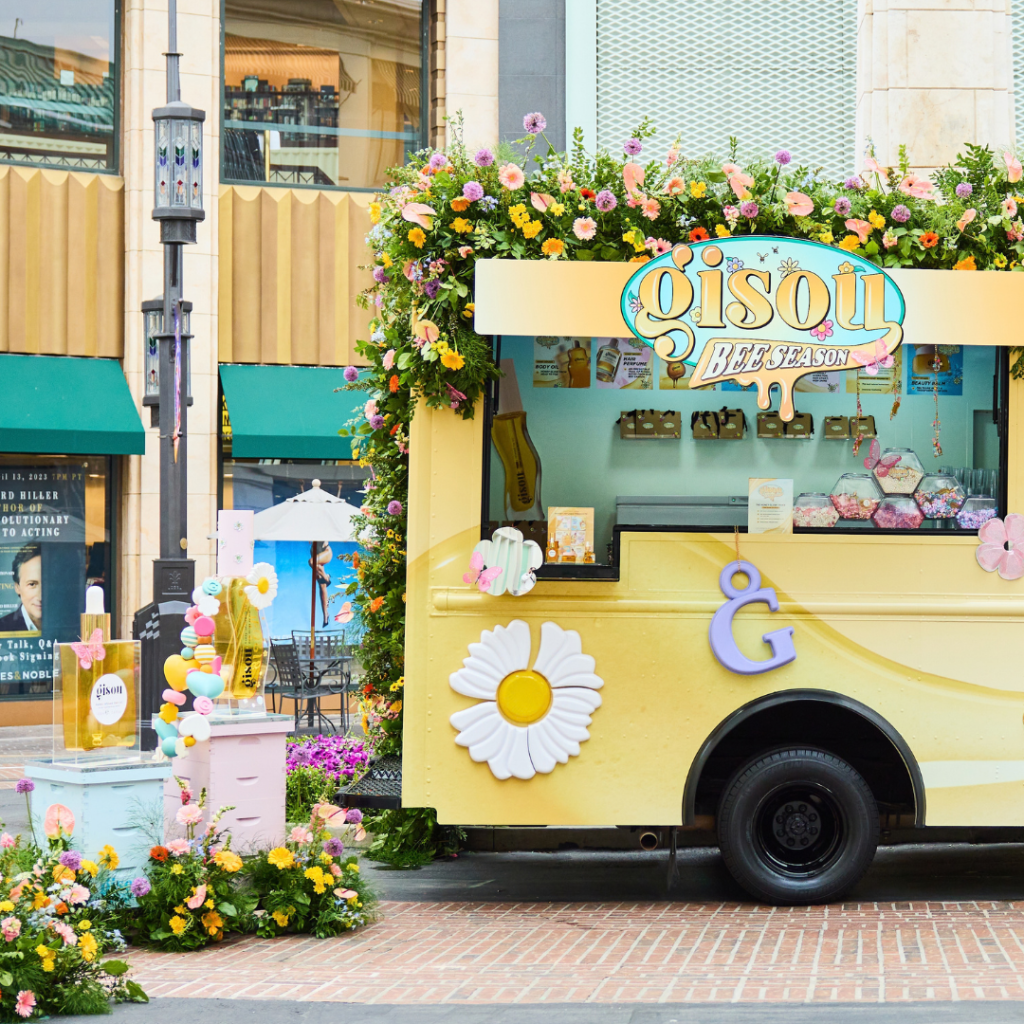
It turns a brief into an activation idea that can be built and measured: the format, the vehicle, the capture mechanic, the visitor flow, and a realistic budget band. At Food Truck Promotions the concept is developed by the same team that renders, builds, permits, and runs it, so every idea proposed is one we can deliver.
One to two weeks from a complete brief to a concept deck. The deck includes the vehicle recommendation, the mechanic, the experience flow, and a cost range. Once you approve it, the renderings start and the permit timeline begins, so the concept stage is where you gain or lose the most time.
Yes. Many clients arrive with an idea or a campaign already in market. We pressure-test it against the street, the vehicle, and the permit rules, and we add the capture mechanic if one is missing. If the concept works as briefed, we render it. If it needs a change, we show you why.
From the goal. A product people can hold wants a mobile pop-up shop. Several cities want a mobile tour. A product that needs explaining wants a showroom. A non-food brand that needs a reason to stop wants a cafe. We recommend the format after the goal is agreed, never before.
No implied route, no reason to queue, and no mechanic. A beautiful vehicle with nothing for a visitor to do produces a crowd that takes a photo and leaves. We design the sequence from first sight to walking away, and we build the number you want to report into that sequence.