Top 4 Benefits of a Branded Food Truck in 2026

By: Benjamin Goldberg 10 min read

Top 4 Benefits of a Branded Food Truck in 2026

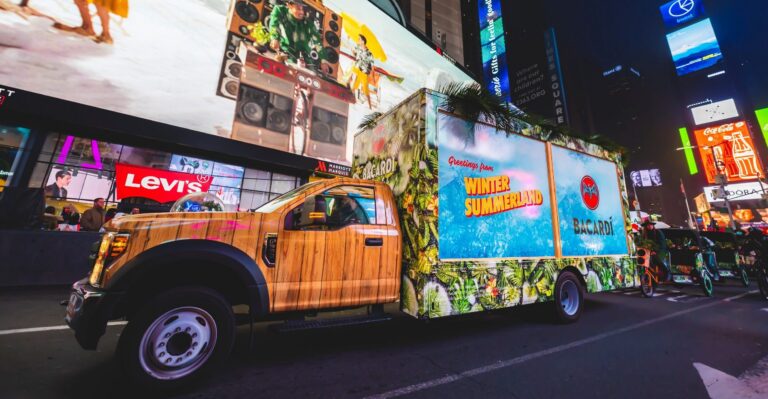
A branded food truck turns your brand into a mobile, high-impact experience. More brands are looking beyond traditional advertising toward immersive experiences that bring the message directly to customers, and a branded food truck is one of the most effective ways to do it: a vehicle that meets people where they already are and creates a real, face-to-face moment.

Branded food trucks are not just about serving food. They are built to create buzz, spark excitement, and deliver memorable brand moments that stick long after the event ends. Whether you are launching a product, expanding into new markets, or reaching a wider audience, a branded truck lets your brand show up in person. This guide covers the benefits, the vehicle types, and how brands put them to work.

Key Takeaways

  • A branded food truck is a mobile brand experience: It turns your brand into something people can see, taste, touch, and photograph, delivered directly to where your audience already is.
  • They engage every sense, not just taste: Exterior graphics, interior design, sound, and hands-on interaction combine to create a multi-sensory experience that builds emotional connection.
  • They create highly shareable moments: A striking branded vehicle invites selfies, tags, and posts, extending the brand’s reach far beyond the people physically present.
  • They flex across industries and campaigns: From sampling to retail pop-ups to demos, a branded truck adapts to almost any brand, product, or goal.
  • The results are measurable: Foot traffic, samples served, scans, and social reach all turn a branded truck activation into data a brand can report.

The Benefits of a Branded Food Truck

A branded food truck earns its place in a campaign because it does several things traditional advertising cannot. Four benefits stand out.

#1 It Brings Your Product Directly to Your Audience

A traditional campaign limits who can experience your brand. Putting your product on wheels lets it go where your audience already is. Thanks to its mobility, a branded vehicle can travel wherever you need it, from festivals and farmers markets to conferences and concerts, creating meaningful, face-to-face interactions with customers instead of waiting for them to come to you. The activation goes to the crowd rather than hoping the crowd finds it.

#2 It Engages All the Senses

Most food trucks were built to serve food, but today’s experiential vehicles engage far more than taste. Bold exterior graphics, immersive interior design, digital screens, and interactive lighting draw the eye and communicate the brand’s personality. Curated playlists, live demos, and ambient sound set the mood. Hands-on product testing, tactile materials, and interactive stations invite people to engage rather than passively observe. By activating several senses at once, a branded truck creates an immersive, memorable experience that deepens emotional connection.

#3 It Creates Highly Shareable Moments

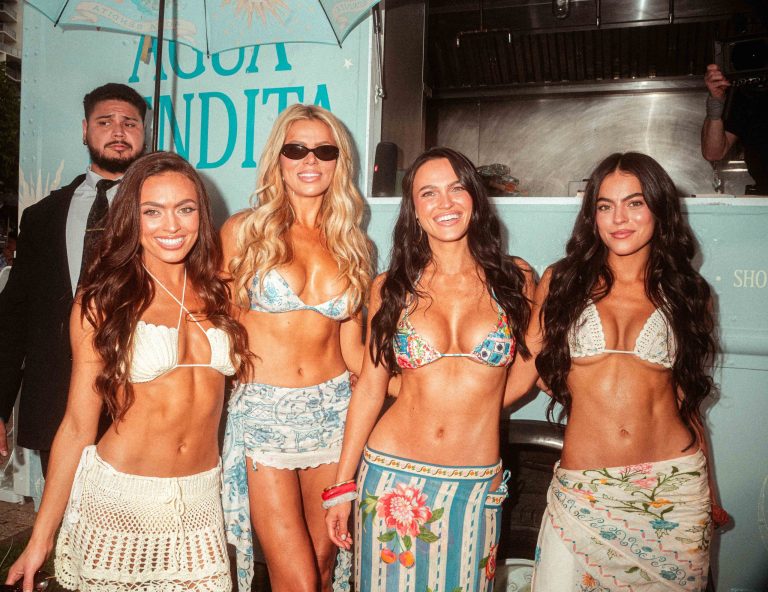
Customers love unique experiences, especially ones that feel fun, surprising, or visually striking. A beautifully designed branded vehicle encourages visitors to take photos, create memories, and share the experience online. Every post, tag, and story extends the brand’s reach far beyond the physical event, turning a single activation into thousands of social connections simply because it stands out from the crowd. The audience becomes the distribution.

#4 It Offers Unmatched Flexibility

Branded trucks are adaptable and work across nearly every industry. The same format can power product sampling, retail pop-ups, food and beverage service, hands-on demos, educational experiences, and fully immersive themed environments. From a compact cart to a glass-truck showroom, the possibilities of a well-designed branded vehicle are close to endless, which is why brands in beauty, fashion, tech, food, and wellness all use them.

Types of Branded Vehicles

Branded trucks come in a range of styles, sizes, and structures, and the right one depends on your goals, your audience, and the experience you want to create. Here are the most popular options.

Full-Service Branded Food Trucks

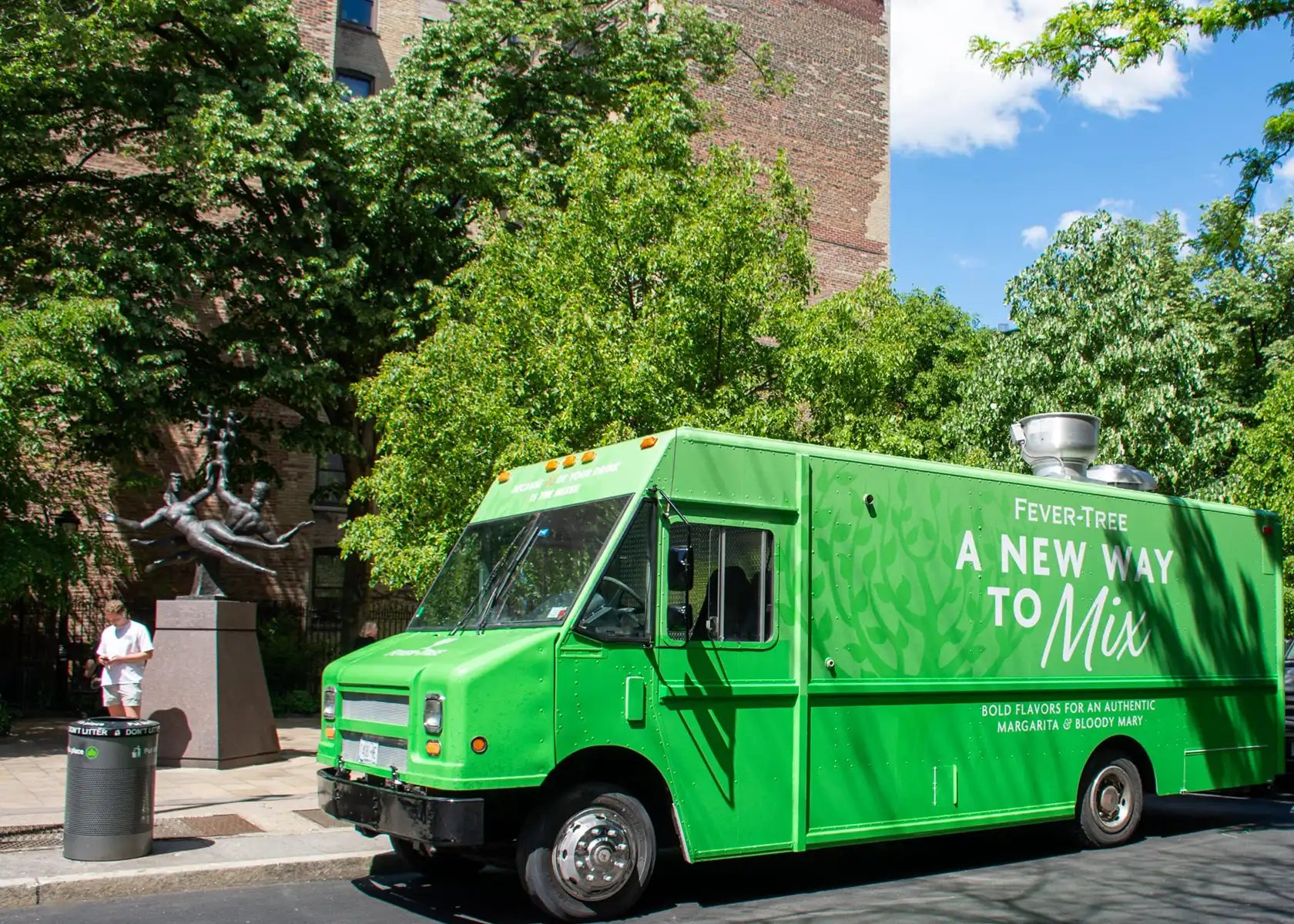
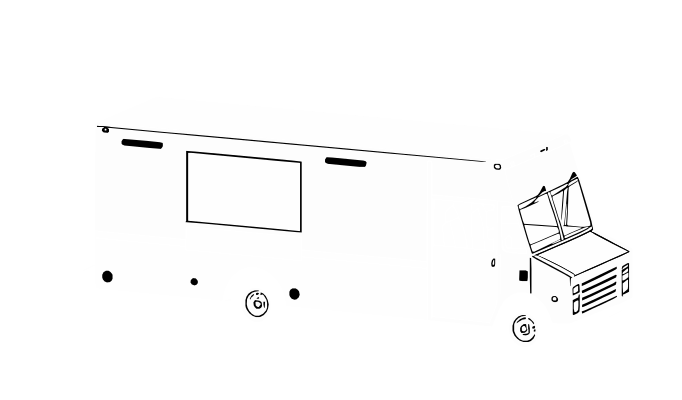
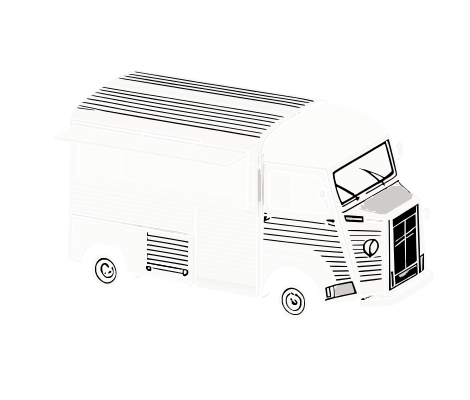
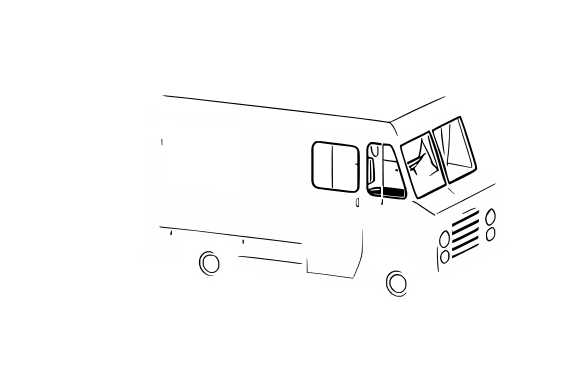
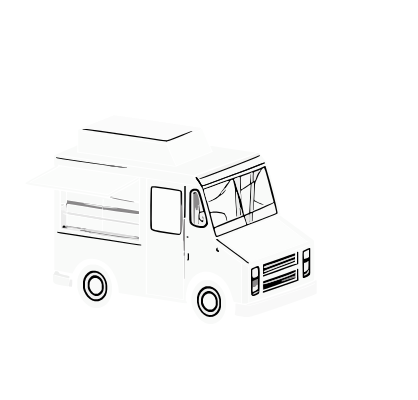
The traditional food truck is the original experiential vehicle. First built to bring food and drink to a wider audience, it has become one of the most versatile and impactful brand ambassadors there is. It suits brands that want to serve full menus or treats on the go, offer hot or freshly prepared food, or create restaurant-quality food on wheels. Practical, festive, and increasingly popular, a full-service truck is a flexible workhorse for events, celebrations, and brand activations of every kind.

Tuk Tuks

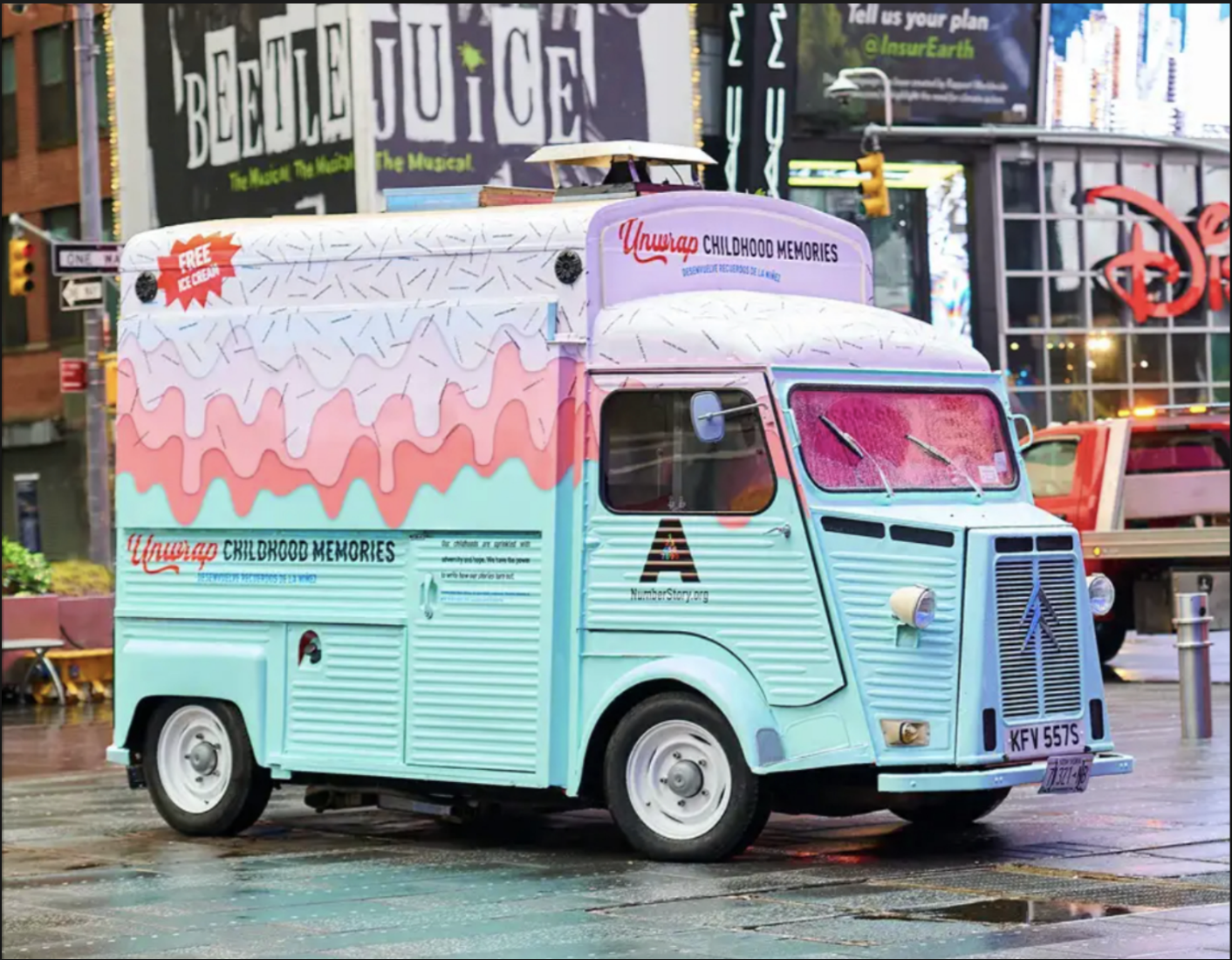
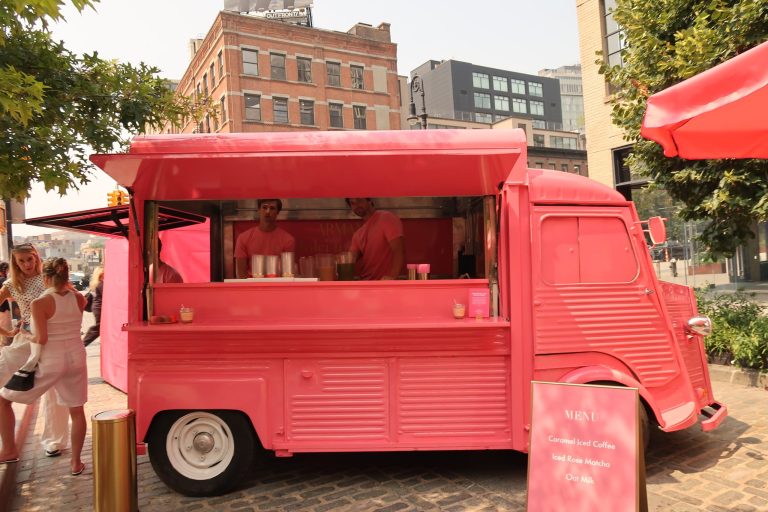
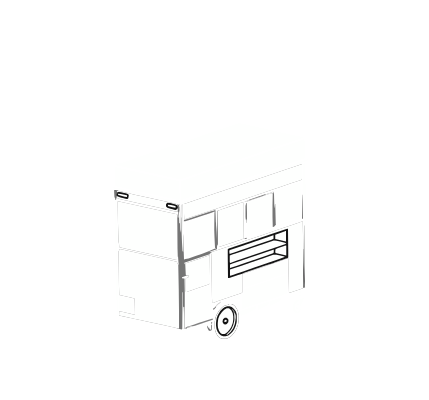
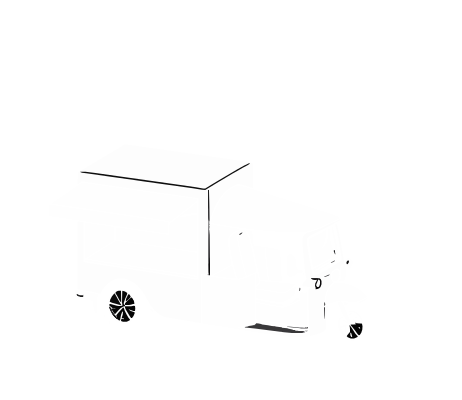
Tuk tuks are compact, eye-catching custom vehicles perfect for brands that want a big impression in a small footprint. Their size makes them ideal for dense urban areas, indoor activations, festivals and street fairs, sampling campaigns, and quick-hit pop-ups. Playful, highly customizable, and easy to maneuver, they are a strong choice for brands that want a fun, distinctive presence in places a full-size truck simply cannot go.

Glass Box Trucks

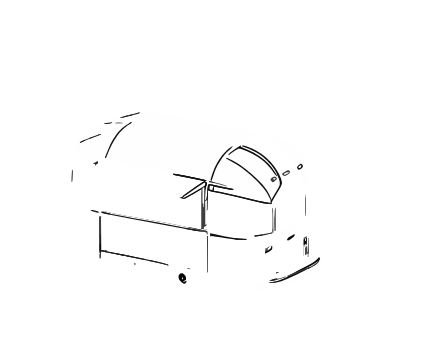
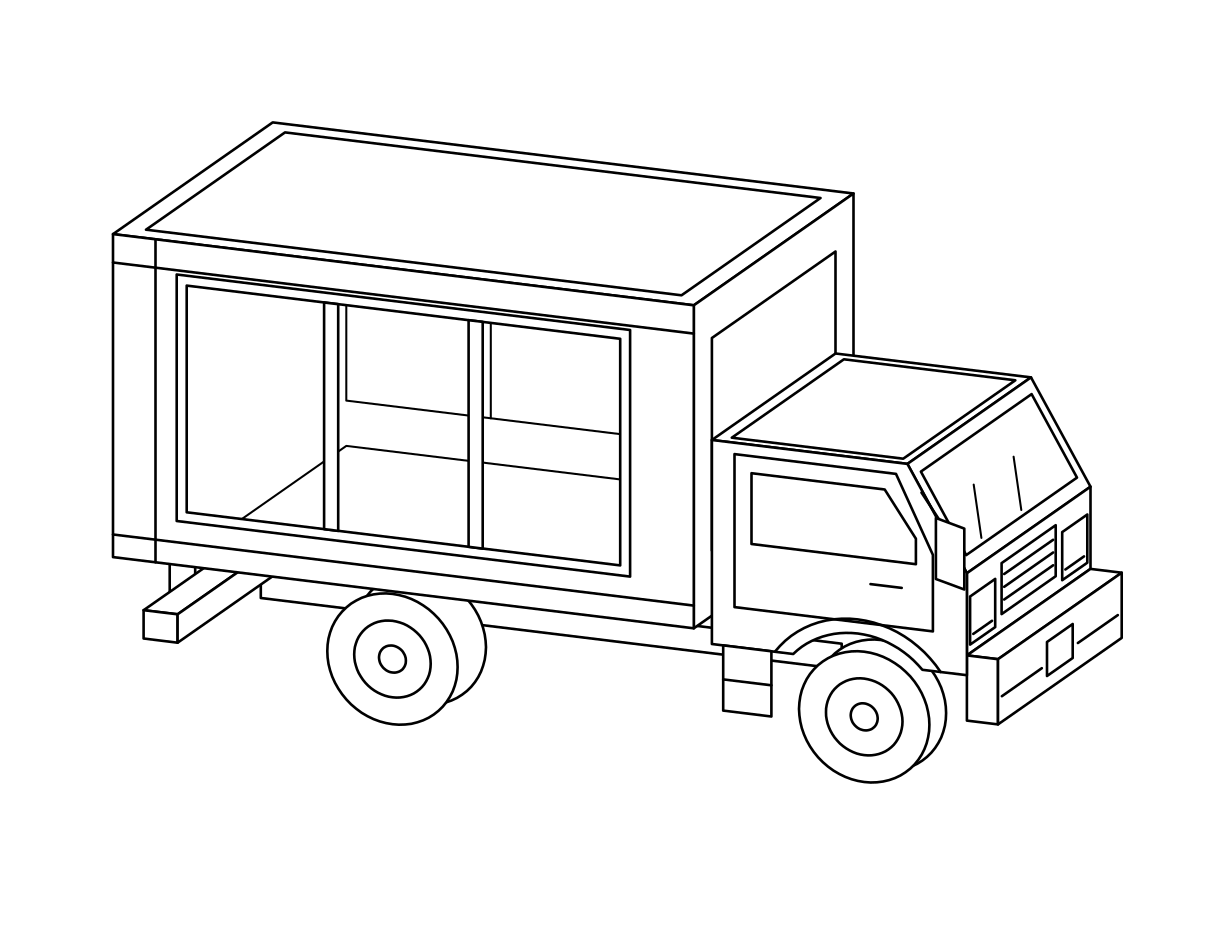
Glass box trucks offer a sleek, modern way to showcase a product or experience. Their transparent walls and built-in display environment make them perfect for product launches, live demonstrations, immersive installations, and high-visibility brand showcases. A glass truck turns your activation into a moving exhibit, letting audiences see the action from every angle, which makes it one of the strongest formats for turning heads in high-traffic locations.

Airstreams

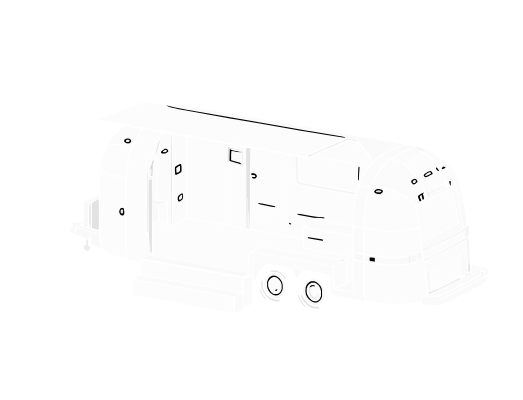
Airstreams bring a polished, nostalgic feel to any activation. Their iconic silhouette and spacious interiors make them ideal for mobile tours that need a showroom, VIP lounges, retail pop-ups, wellness activations, and high-end sampling experiences. A throwback to a simpler time yet modern and luxurious, an Airstream gives brands a stylish canvas for product storytelling and a comfortable, premium space for guests to step inside.

Case Study: Travel Texas Brings BBQ to New York

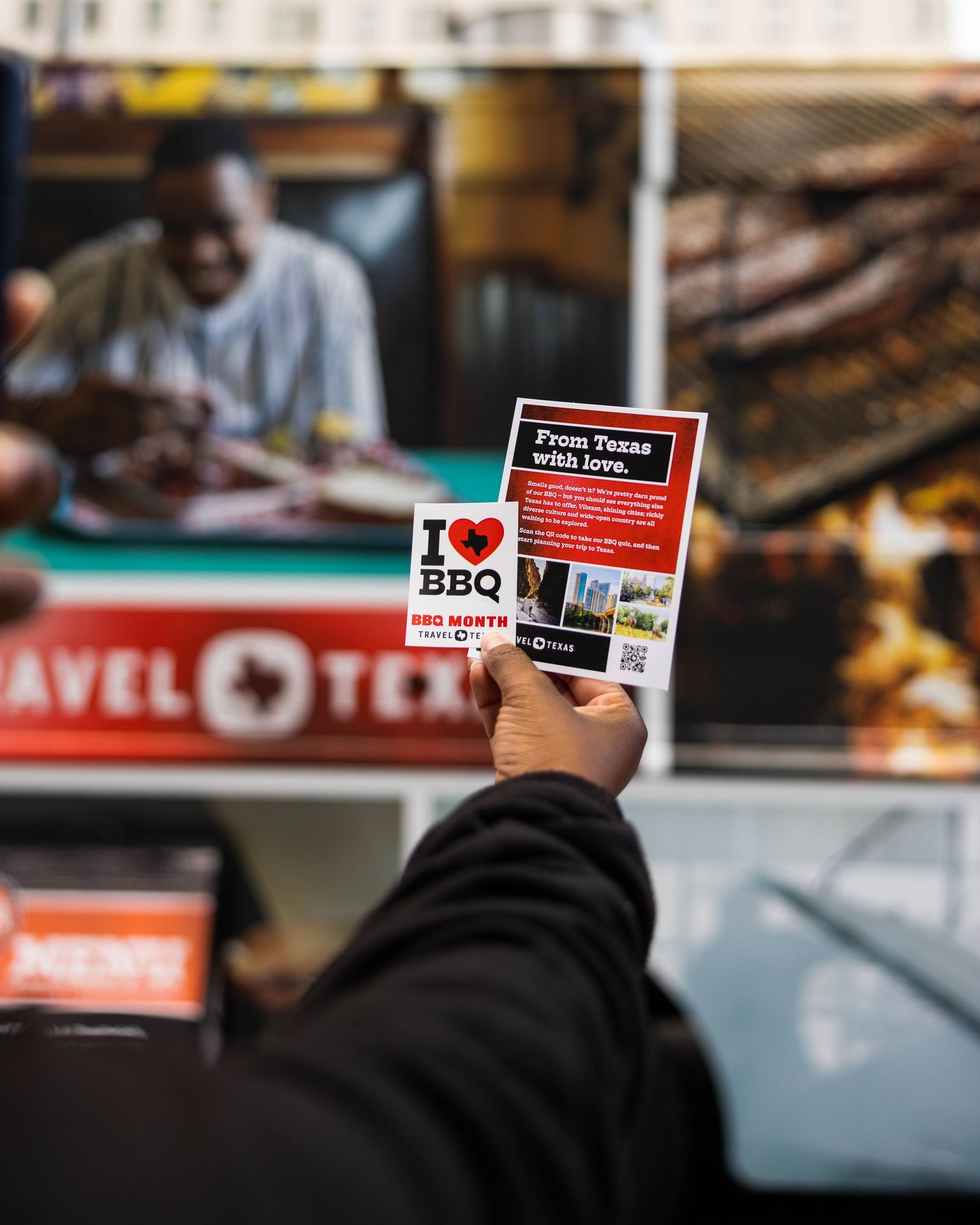
Travel Texas promotion on BBQ Month.

Travel Texas is a clean example of a branded food truck doing the one thing the format does best: putting a brand somewhere its audience did not expect it. The challenge was simple to state and hard to solve, getting New Yorkers to think about Texas.

The answer was a branded truck and a plate of food. During National BBQ Month, FTP Agency branded a vehicle and served complimentary Texas brisket on a New York street corner, with branded seating so guests could sit and take in the full experience rather than grab and go. The truck turned a free meal into dwell time, and the dwell time into a brand impression, all built around the line, it is not May, it is BBQ Month.

The takeaway did the converting. A QR code sent guests straight to the Travel Texas website to plan a trip, connecting a brisket on a Manhattan sidewalk to the actual goal of the campaign: travel bookings. It is the full arc of a branded food truck done right, an unexpected placement, a genuine reason to stop, a sensory experience, and a clear path from the street to the desired action.

The Bottom Line

A branded food truck works because it turns a message into an experience. It brings the brand directly to the audience, engages every sense at once, creates moments people want to share, and flexes to fit almost any industry or goal. The vehicle you choose, a full truck for volume and food service, a tuk tuk for tight and playful spaces, a glass truck for visibility, an Airstream for a premium feel, shapes the experience, but the underlying advantage is the same across all of them. In a marketing landscape where attention is the scarcest resource, a well-designed branded truck parked where your audience already is remains one of the most reliable ways to earn it, and to be remembered long after the event ends.

Frequently Asked Questions

A branded food truck is a food truck customized and wrapped to represent a specific brand and used for marketing rather than simply selling food. It serves as a mobile brand experience, combining food or product service with immersive design, so the vehicle becomes a rolling billboard, storefront, and interactive activation in one.

The main benefits are mobility, sensory engagement, shareability, and flexibility. A branded truck brings the product directly to the audience, engages sight, sound, taste, and touch at once, creates striking moments people share online, and adapts across industries and campaign types, all while delivering measurable results a brand can report.

Through multi-sensory design. Bold exterior graphics, interior styling, digital screens, and lighting engage sight; curated playlists, live demos, and ambient sound engage hearing; and hands-on product testing, tactile materials, and interactive stations engage touch. Activating several senses at once creates a deeper emotional connection than a single-sense ad can.

The most common are full-service food trucks for volume and food service, tuk tuks for compact and playful activations, glass trucks for high-visibility product showcases, and Airstreams for premium, boutique-style experiences. Carts and specialty builds are also available. The right choice depends on your product, audience, and activation setting.

Nearly all of them. Food and beverage brands use them for sampling and launches, beauty and fashion brands for immersive retail moments, and tech, wellness, and entertainment brands for demos and experiences. Any brand that benefits from meeting customers in person can use a branded truck matched to its product and goals.

By being genuinely photo-worthy. A striking, well-designed vehicle gives people a reason to take pictures, tag the brand, and share the moment, so every visitor becomes a distribution channel. That organic sharing extends the activation’s reach far beyond the crowd physically present, often generating thousands of impressions from a single event.

Yes, and mobility is one of its biggest advantages. A single branded truck can travel between festivals, markets, conferences, and cities across one campaign, bringing an identical brand experience to each stop. Planning the route as a sequence, with logistics handled between stops, is part of what an experiential agency manages. Here are the locations that FTP Agency services.

Set one primary metric before launch, then track it consistently: samples or units served, foot traffic, QR scans, sign-ups, or social posts and impressions. Building a capture step into the experience, like a code on the packaging or a branded hashtag, connects the in-person moment to a result you can actually report.

Costs vary by vehicle type, build complexity, campaign length, and number of locations. A compact cart or single-day local activation costs far less than a fully custom glass truck on a multi-city tour. Because the vehicle can be reused across a campaign, the fabrication cost often spreads across many activation days rather than one.

Experiential agencies with in-house design, fabrication, and production. At Food Truck Promotions, that covers the vehicle, the custom build and wrap, the interior, permits and logistics, staffing with brand ambassadors, and the campaign strategy, so the brand arrives to a finished, on-brand truck ready to activate.

Benjamin Goldberg

Author

Benjamin Goldberg

CEO @ FTP Agency

Benjamin H. Goldberg is passionate about bringing brands to life on the streets. As CEO of Food Truck Promotions and co-founder of the New York and Los Angeles Food Truck Associations, he helps create unforgettable mobile experiences that blend great food, creative branding, and meaningful connections with audiences everywhere.

More posts
Top 7 Experiential Marketing Examples to Inspire Your Next Campaign