What Is an Experiential Vehicle? A Guide for Brands

By: Benjamin Goldberg 9 min read

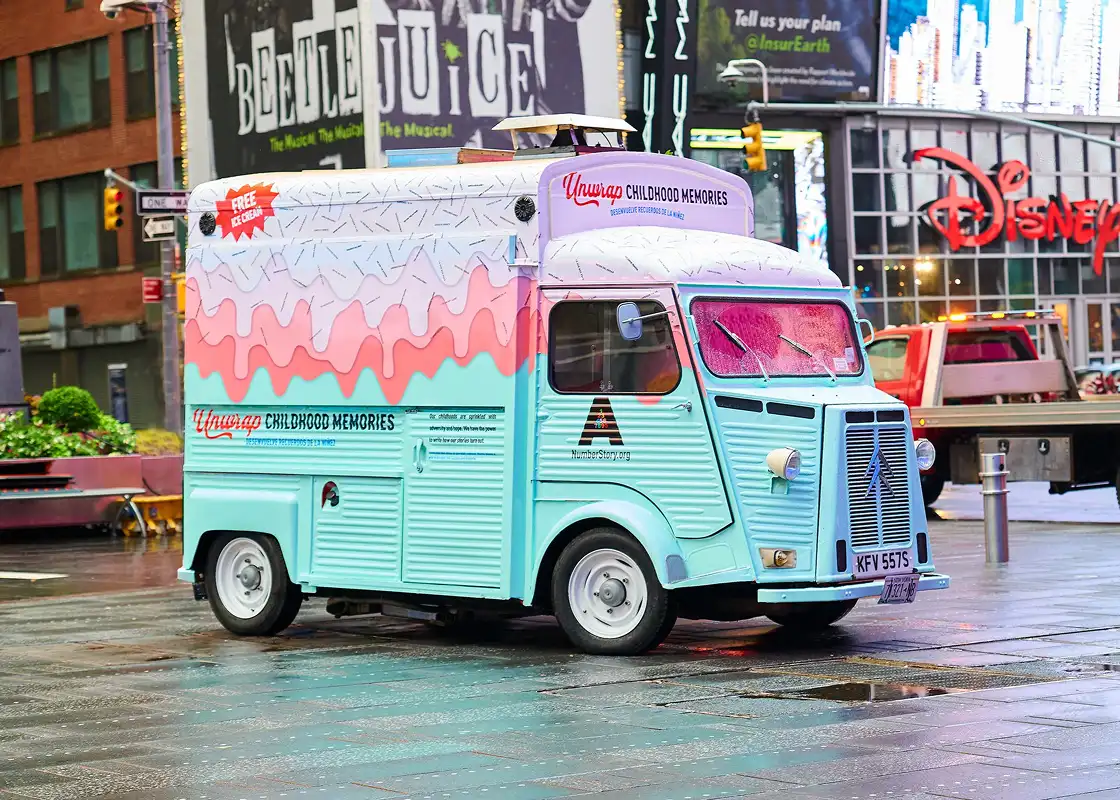
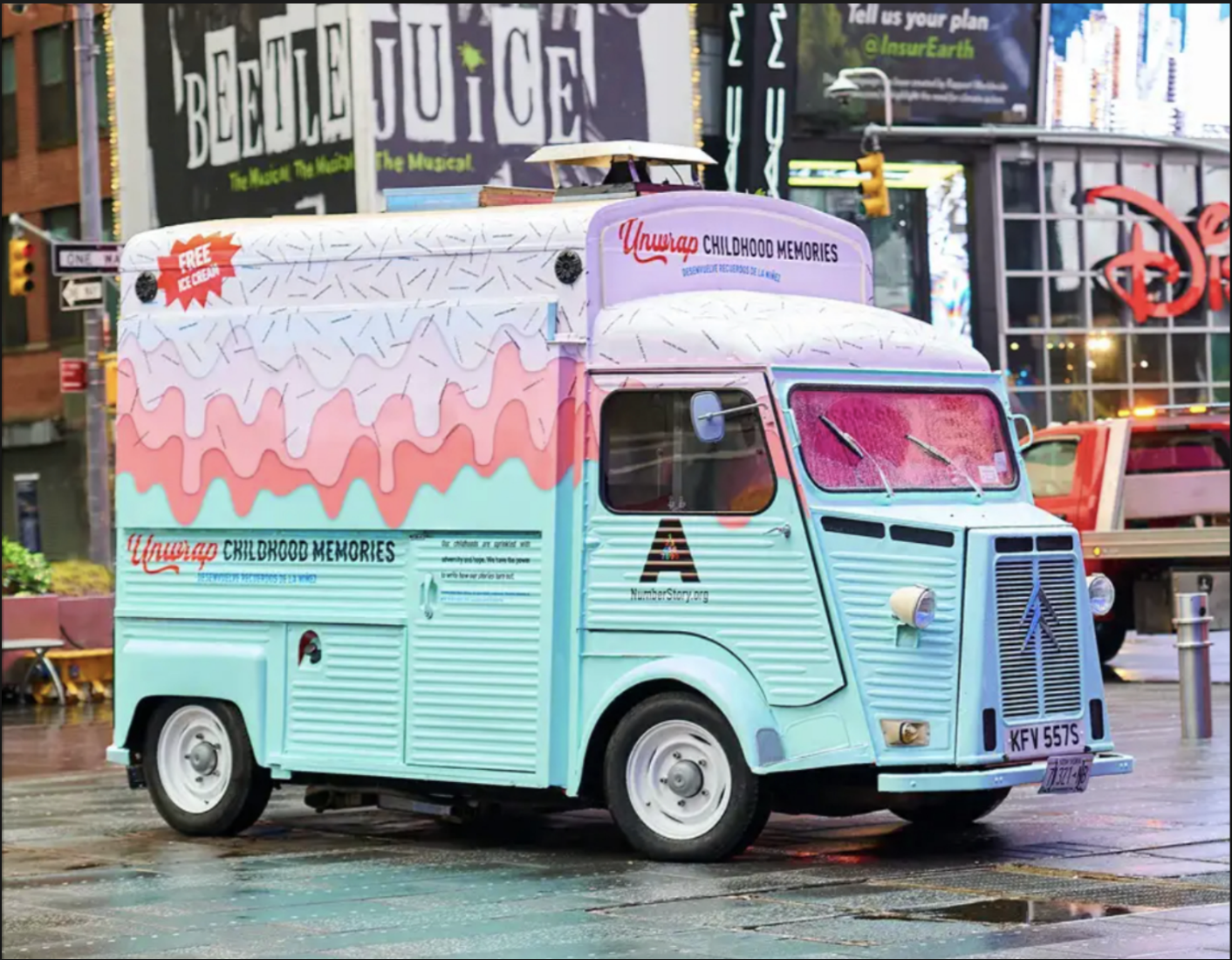
Pastel blue and pink ice cream truck labeled Vintage Childhood Memories parked near city billboards.

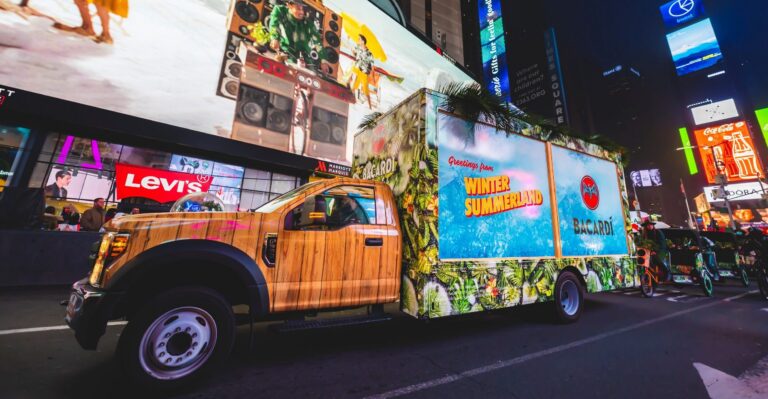
An experiential vehicle is a mobile, immersive platform that brings your brand directly to customers, a glass truck, food truck, mobile showroom, tuk tuk, or trailer designed to turn heads, spark conversations, and create experiences that stick long after the event ends. In a crowded marketing landscape, it is one of the most effective ways to stand out and forge a real connection with an audience.

An experiential vehicle delivers your brand story on wheels. Whether you are launching a product, hosting a branded pop-up, or taking a campaign on a national mobile marketing tour, the right vehicle can be the centerpiece of your brand activation. This guide covers what an experiential vehicle is, the main types, and five proven strategies to get the most from the investment.

Key Takeaways

  • An experiential vehicle is a mobile brand platform: It is a customized truck, cart, or trailer built to deliver an immersive brand experience directly to where your audience already is.
  • The vehicle should match the brand and the goal: Glass trucks showcase, food trucks serve and sample, tuk tuks fit tight spaces, and Airstreams create immersive walk-in experiences.
  • Quality fabrication is what makes it work: A rolling representation of your brand needs skilled design, durable build, and attention to detail to leave the right impression.
  • The route is a strategy, not an afterthought: Planning stops around events, retail hubs, campuses, and business districts is what turns mobility into measurable engagement.
  • The right partner makes or breaks execution: End-to-end support, in-house fabrication, and a proven track record are what carry a campaign from concept to a successful activation.

What Is an Experiential Vehicle?

An experiential vehicle, sometimes called an experiential marketing vehicle, is any mobile platform customized to deliver a brand experience rather than simply transport goods. It combines a branded, purpose-built vehicle with immersive design, on-site staff, and interactive elements, so the vehicle itself becomes the activation: a rolling storefront, showroom, or stage that meets customers in person.

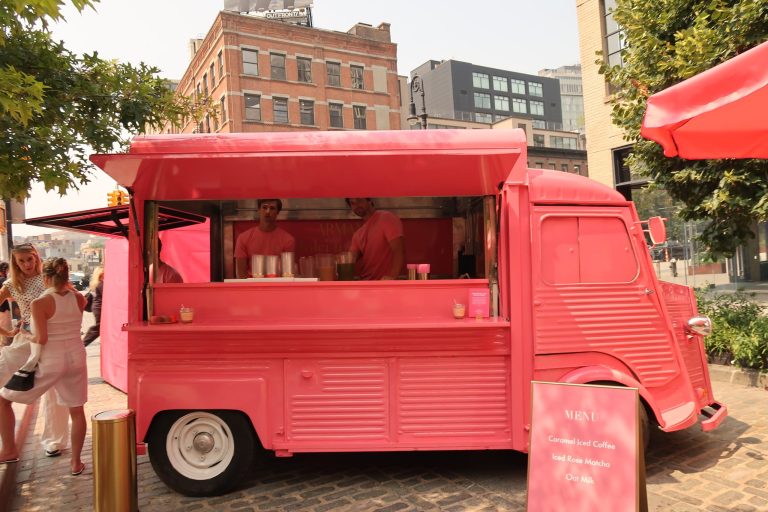
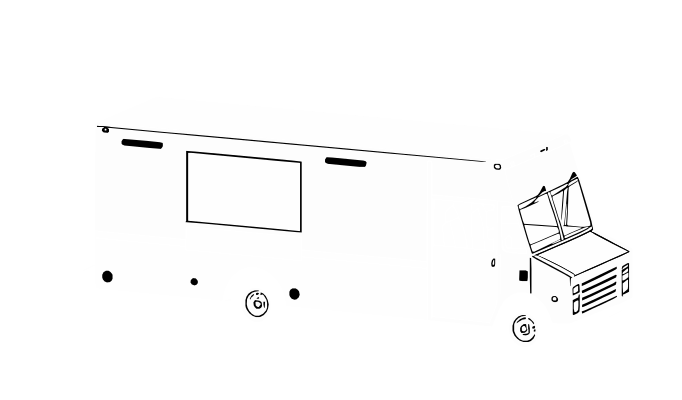
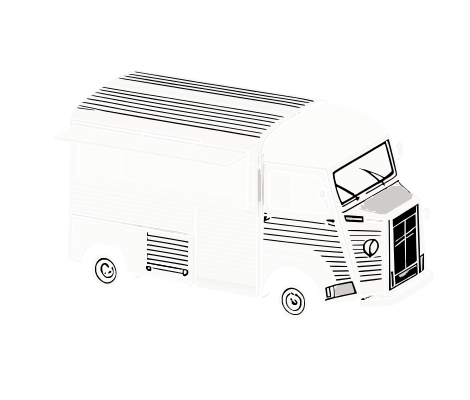
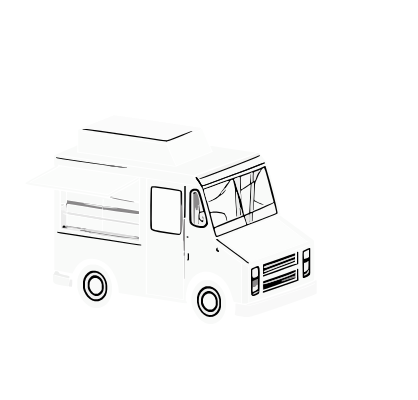
The category covers a wide range of builds, from full food trucks and glass trucks to tuk tuks, carts, Airstreams, and vintage Citreons. What unites them is the purpose: turning a vehicle into a mobile brand experience that educates, excites, and engages an audience wherever it goes.

5 Strategies to Make Your Experiential Vehicle a Success

An experiential vehicle is an investment, and a few proven strategies separate the campaigns that deliver from the ones that fall flat. Here are five that matter most.

#1 Choose the Right Vehicle for Your Brand and Audience

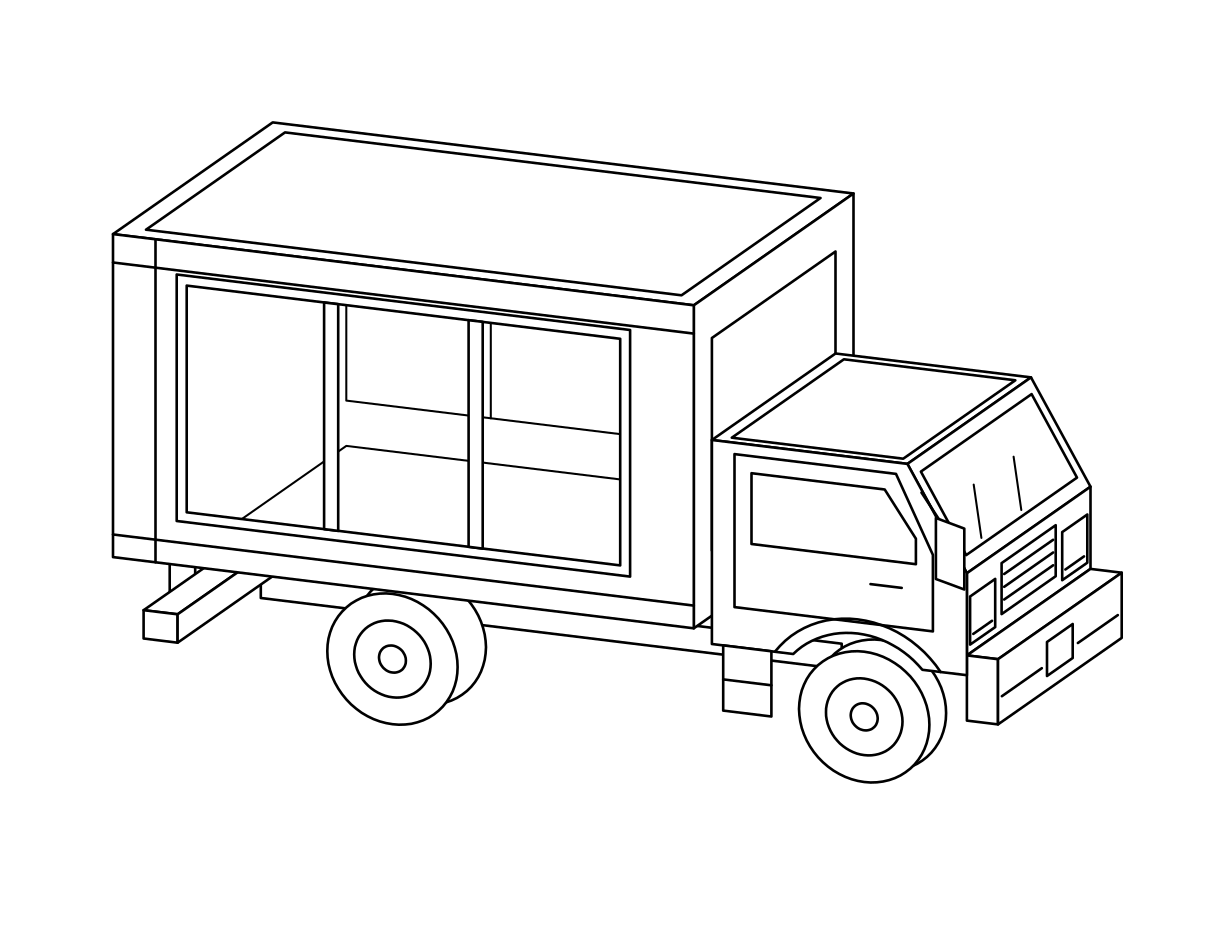
As experiential marketing has grown, so have the vehicle options, and the one you choose should reflect your brand personality, your logistics, and the experience you want to create. Glass box trucks suit product displays, live demos, and high-visibility pop-ups. Food trucks fit sampling and hospitality-driven activations. Tuk tuks work in urban settings and tight spaces. Airstream trailers offer maximum room for interactive, immersive displays. Weigh your audience, your event locations, and your logistics before selecting the format.

#2 Invest in Quality Fabrication and Customization

Your experiential vehicle is a rolling representation of your brand, so quality, customization, and attention to detail shape how people interact with it. Look for an experiential agency that prioritizes consistent communication and reliable production timelines, skilled in-house design and build capability, exact specifications for your product displays, and durability for long-term use. From vintage vehicles to creative food trucks, a well-executed build is the difference between a polished, professional presence and a forgettable one.

#3 Plan a Strategic Route for Maximum Impact

A successful mobile marketing tour is about why you go somewhere, not just where. Use reliable data to identify high-traffic areas and events where your audience will actually engage. Major festivals and sporting events offer high foot traffic and primed crowds. Retail hubs reach customers already in a buying mindset. College campuses suit younger demographics. Corporate parks work for B2B during lunch hours. Trade shows reach a niche audience by category. Planning the route around these locations is what turns mobility into measurable results.

#4 Create Shareable, Immersive Experiences

The emotional connection is the point, so the vehicle should offer more than a product pitch and make people want to immerse themselves in it. Live demos and hands-on activities, photo ops and social sharing stations, QR codes for exclusive content or offers, and interactive displays that educate and entertain all turn a visit into a shareable moment. That shareability is what extends the brand’s reach far beyond the people physically present and past any brick-and-mortar or online footprint.

#5 Partner With Experts Who Understand the Process

From fabrication to logistics to branding, an experiential campaign has a lot of moving parts, and the right partner makes the difference. Look for a company that offers end-to-end support from concept to production, positive reviews from past clients, a full fleet of vehicles and trailers to choose from, and a track record of strong service and out-of-the-box ideas. With the right team, the experiential vehicle stops being just a tool and becomes a platform that brings the brand to life.

Case Study: Amazon Music x Bad Bunny's Helado Trucks

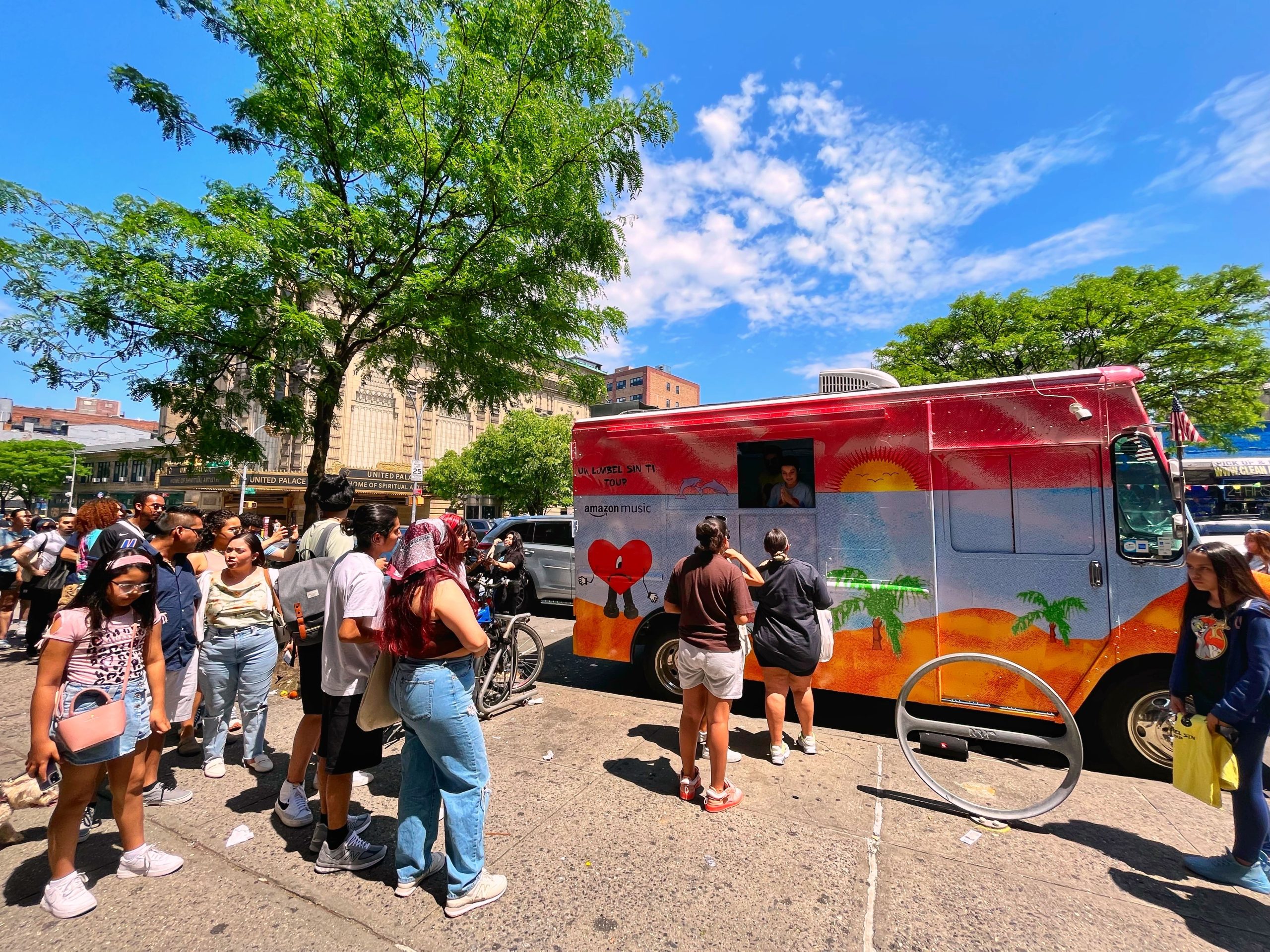
Bad Bunny album release branded food truck in Chi

The Amazon Music activation for Bad Bunny’s album release is a clear example of an experiential vehicle carrying a brand into a cultural moment. To promote the album, Amazon Music wanted more than an online campaign, so it turned to a mobile approach that met fans in person.

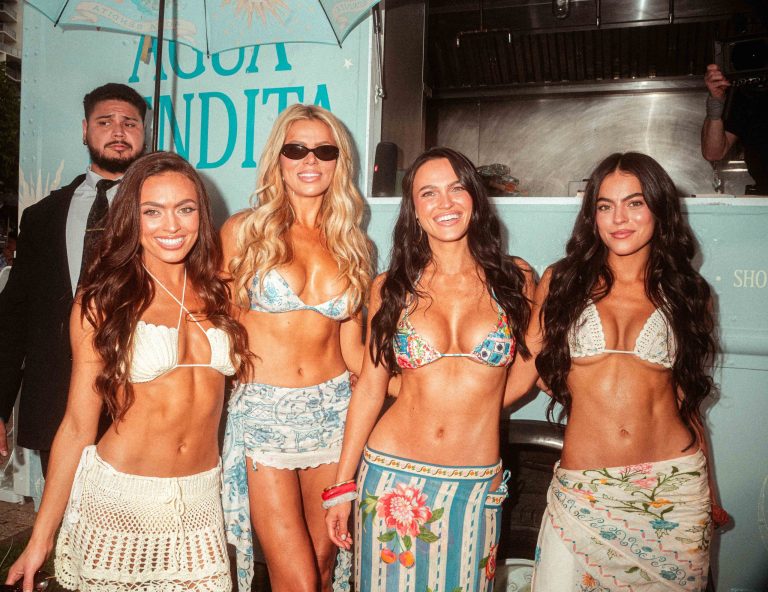
FTP Agency handed out complimentary Puerto Rican helado from vehicles wrapped in the album’s artwork across New York City and Chicago. The vehicle was the message: the wrap tied the experience directly to the album, the free helado gave fans a genuine reason to stop, and the in-person moment created a connection an ad could not. The album, Un Verano Sin Ti, went on to become the most-streamed album in Spotify’s history, and the activation met that cultural wave exactly where fans already were.

It shows every strategy in this guide working together: the right vehicle for the moment, a quality branded build, placement in the cities where the audience was concentrated, and a shareable, in-person experience that turned a music release into something fans could taste and photograph.

The Bottom Line

An experiential vehicle is not really transportation, it is transformation. The right build, matched to your brand and audience, fabricated with care, routed with intent, and designed to be shared, turns a vehicle into a platform that brings your brand to life in the real world. Whether it is a food truck serving branded samples, a tuk tuk turning heads at a local event, or a glass truck showcasing a new product line, the vehicle becomes the centerpiece of the activation, the thing people see first, engage with directly, and remember longest. Get the five strategies right, and the investment pays off in exactly the currency modern marketing is short on: genuine attention and real connection.

Frequently Asked Questions

An experiential vehicle is a mobile platform, such as a food truck, glass truck, tuk tuk, or trailer, customized to deliver a brand experience rather than just transport goods. It combines a branded, purpose-built vehicle with immersive design and interactive elements, becoming a rolling storefront, showroom, or stage that engages customers in person.

The main types are glass trucks for product displays and demos, food trucks for sampling and hospitality, tuk tuks for compact urban activations, and Airstream trailers for immersive walk-in experiences. Carts and double expandable trailers are also common. The right one depends on your brand, your audience, and where you plan to activate.

Match the vehicle to your brand personality, your logistics, and the experience you want to create. Consider your target audience, event locations, and practical constraints like parking and access. A glass truck suits high-visibility showcases, a food truck suits sampling, a tuk tuk fits tight urban spaces, and an Airstream suits immersive displays.

Costs vary by vehicle type, build complexity, campaign length, and number of markets. A compact tuk tuk or a single-market activation costs far less than a fully custom glass truck on a national tour. Because the vehicle can be reused across a campaign, fabrication cost often spreads across many activation days rather than one event.

Five things: choosing the right vehicle, investing in quality fabrication, planning a strategic route, creating shareable and immersive experiences, and partnering with an experienced team. The vehicle is the platform, but the strategy around it, where it goes, how it is built, and what guests do there, is what delivers results.

Where your audience already gathers: major festivals and sporting events, retail hubs and shopping districts, college campuses, corporate parks for B2B, trade shows, and high-traffic urban and tourist areas. The strongest routes are planned around locations where your specific audience is most likely to stop and engage.

Set one primary metric before launch, then track it consistently: foot traffic, samples or units served, QR scans, sign-ups, or social posts and impressions. Building a capture step into the experience, like a code or a branded hashtag, connects the in-person moment to a result you can report and repeat.

A regular food truck exists to sell food; an experiential vehicle exists to deliver a brand experience. It may serve food, but the wrap, interior, staffing, and interactive elements are all designed around a campaign and a message, so the vehicle itself becomes the marketing rather than just the means of service.

Yes, and touring is one of its strongest uses. A single build can run a multi-city route, bringing an identical brand experience to each market without opening anything permanent. Planning the route as a sequence, with transport and logistics handled between stops, is part of what an experiential agency manages.

Experiential agencies with in-house design, fabrication, and production. At Food Truck Promotions, that covers the vehicle, the custom build and wrap, the interior, permits and logistics, staffing with brand ambassadors, and the strategy around the campaign, so the brand arrives to a finished, on-brand vehicle ready to activate.

Benjamin Goldberg

Author

Benjamin Goldberg

CEO @ FTP Agency

Benjamin H. Goldberg is passionate about bringing brands to life on the streets. As CEO of Food Truck Promotions and co-founder of the New York and Los Angeles Food Truck Associations, he helps create unforgettable mobile experiences that blend great food, creative branding, and meaningful connections with audiences everywhere.

More posts
Marketing in Motion: The Rise of the Mobile Marketing Vehicle